
Kullanılamıyor

Koleksiyon
Sport
Kas 2008 – Ağu 2023
- 4,235 fotoğraf

Palestinian fishermen ride a fishing boat at the beach of Gaza City, on Oct. 28, 2013. Israel restricted the fishing zone to three nautical miles following the kidnapping of Israeli soldier Gilad Shalit in 2007. The Oslo Accords signed in 1993 with the Palestinian Authority stipulate that Gaza s fishing zone should extend to 20 nautical miles. The zone was then extended to six nautical miles as part of the Egyptian-brokered cease-fire in November 2012, but Israel intermittently reduce it to three nautical miles each time violence flares. Photo by Ashraf Amra
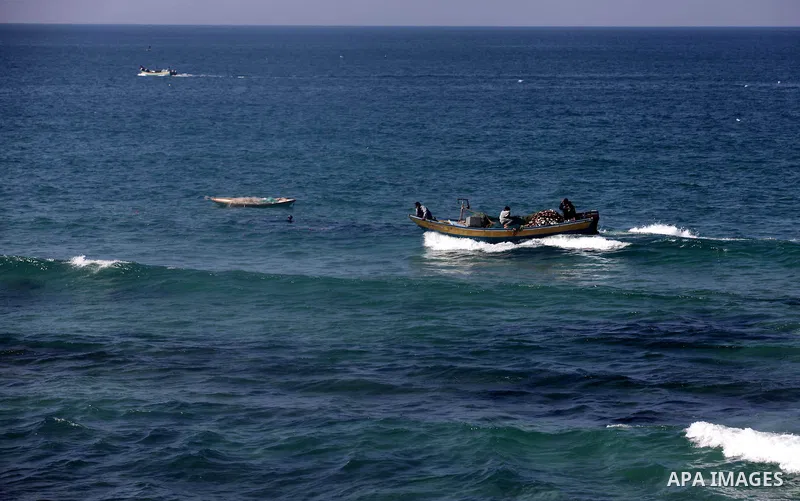
Palestinian fishermen ride fishing boats at the beach of Gaza City, on Oct. 28, 2013. Israel restricted the fishing zone to three nautical miles following the kidnapping of Israeli soldier Gilad Shalit in 2007. The Oslo Accords signed in 1993 with the Palestinian Authority stipulate that Gaza s fishing zone should extend to 20 nautical miles. The zone was then extended to six nautical miles as part of the Egyptian-brokered cease-fire in November 2012, but Israel intermittently reduce it to three nautical miles each time violence flares. Photo by Ashraf Amra
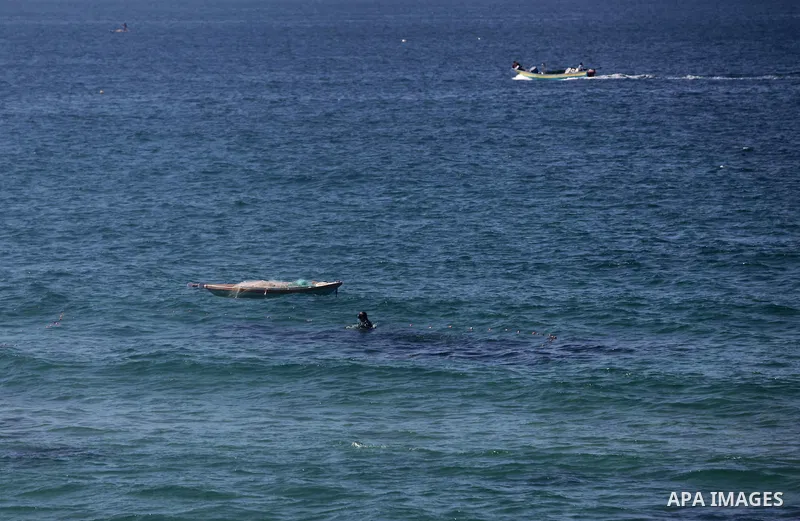
Palestinian fishermen ride fishing boats at the beach of Gaza City, on Oct. 28, 2013. Israel restricted the fishing zone to three nautical miles following the kidnapping of Israeli soldier Gilad Shalit in 2007. The Oslo Accords signed in 1993 with the Palestinian Authority stipulate that Gaza s fishing zone should extend to 20 nautical miles. The zone was then extended to six nautical miles as part of the Egyptian-brokered cease-fire in November 2012, but Israel intermittently reduce it to three nautical miles each time violence flares. Photo by Ashraf Amra
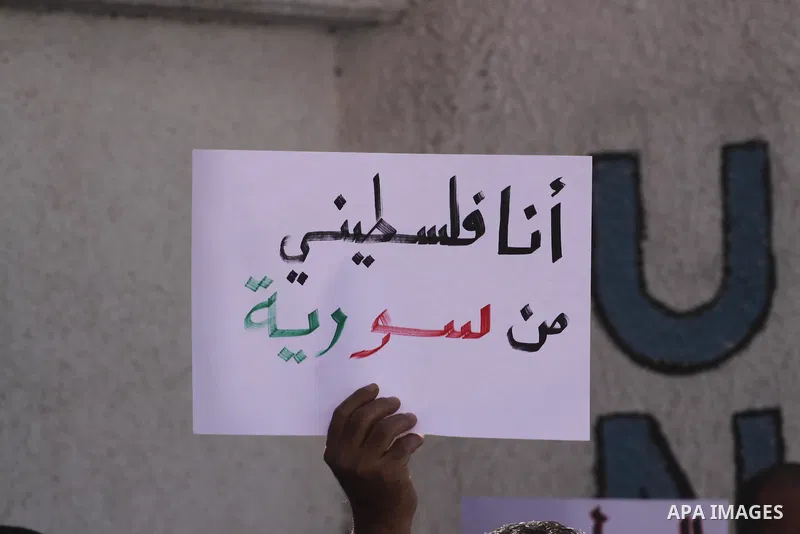
Syrian and Palestinian-Syrian refugees take part in a protest in front of the headquarters United Nations Relief and Works Agency (UNRWA) to demand assistance and work in Gaza city, on Oct. 28, 2013. Photo by Mohammed Asad

A Palestinian girl looks on at hi family's home in Rafah refugee camp in southern Gaza Strip, Oct. 27, 2013. The United Nations Relief and Works Agency for Palestine Refugees (UNRWA) has removed food aid for 9,558 families in Gaza since the beginning of the year, while adding only 5,430 new families to the programme. Photo by Eyad Al Baba
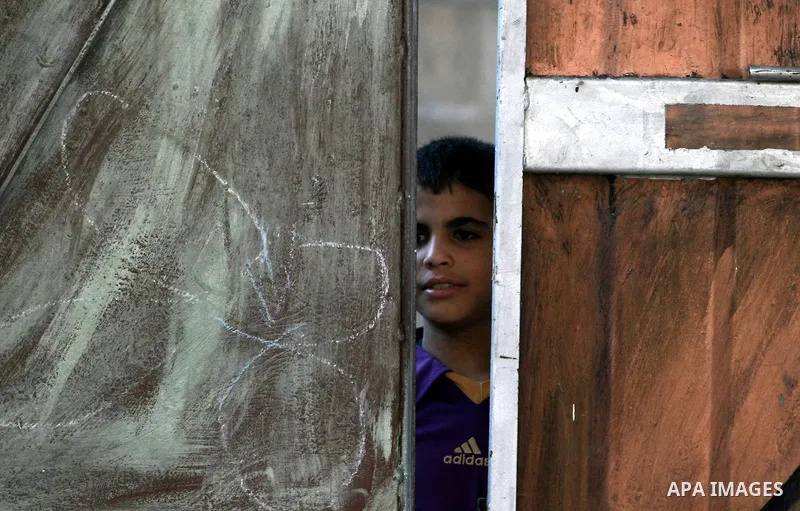
A Palestinian boy looks on at hi family's home in Rafah refugee camp in southern Gaza Strip, Oct. 27, 2013. The United Nations Relief and Works Agency for Palestine Refugees (UNRWA) has removed food aid for 9,558 families in Gaza since the beginning of the year, while adding only 5,430 new families to the programme. Photo by Eyad Al Baba
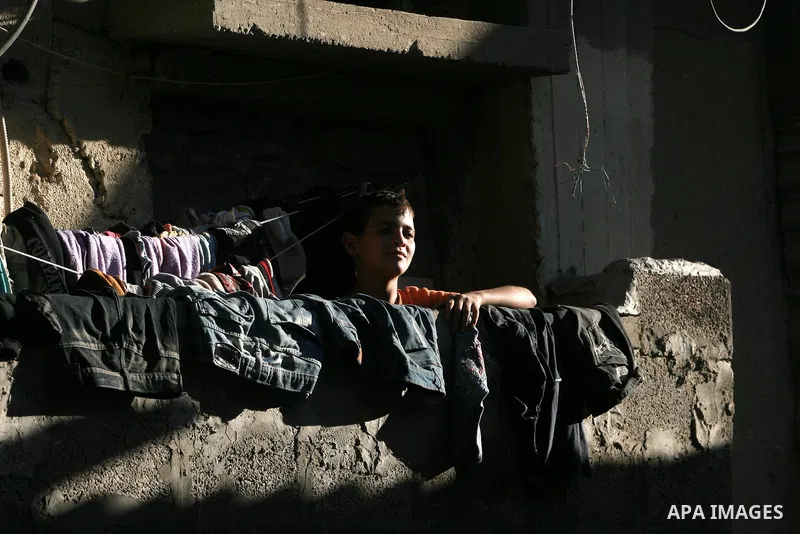
A Palestinian boy looks on at hi family's home in Rafah refugee camp in southern Gaza Strip, Oct. 27, 2013. The United Nations Relief and Works Agency for Palestine Refugees (UNRWA) has removed food aid for 9,558 families in Gaza since the beginning of the year, while adding only 5,430 new families to the programme. Photo by Eyad Al Baba
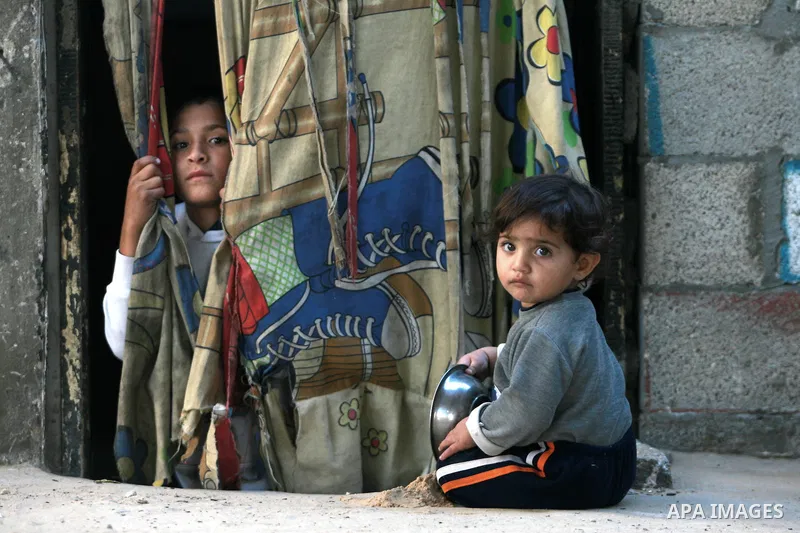
Palestinian children play outside their family homes in Rafah refugee camp in southern Gaza Strip, Oct. 27, 2013. The United Nations Relief and Works Agency for Palestine Refugees (UNRWA) has removed food aid for 9,558 families in Gaza since the beginning of the year, while adding only 5,430 new families to the programme. Photo by Eyad Al Baba

A Palestinian boy plays outside his family's home in Rafah refugee camp in southern Gaza Strip, Oct. 27, 2013. The United Nations Relief and Works Agency for Palestine Refugees (UNRWA) has removed food aid for 9,558 families in Gaza since the beginning of the year, while adding only 5,430 new families to the programme. Photo by Eyad Al Baba

Palestinians take part in the annual Jerusalem's cakes festival in the east Jerusalem neighborhood of Sheikh Jarrah, Oct. 27, 2013. The Jerusalem's cakes festival is an annual carnival that inviting Palestinian children, students and adults alike to enjoy music, plays, handmade products exhibitions, and flavors of Jerusalem cakes and sweets during a one day festival. Photo by Saeed Qaq

Palestinians take part in the annual Jerusalem's cakes festival in the east Jerusalem neighborhood of Sheikh Jarrah, Oct. 27, 2013. The Jerusalem's cakes festival is an annual carnival that inviting Palestinian children, students and adults alike to enjoy music, plays, handmade products exhibitions, and flavors of Jerusalem cakes and sweets during a one day festival. Photo by Saeed Qaq
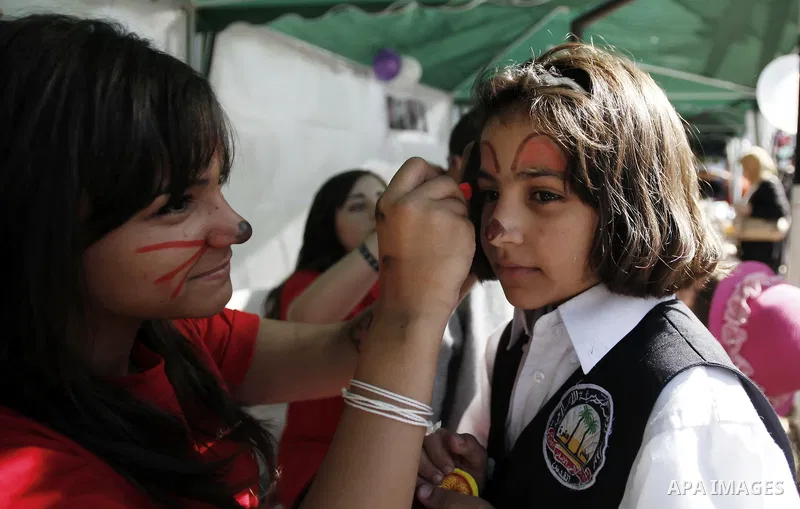
Palestinians take part in the annual Jerusalem's cakes festival in the east Jerusalem neighborhood of Sheikh Jarrah, Oct. 27, 2013. The Jerusalem's cakes festival is an annual carnival that inviting Palestinian children, students and adults alike to enjoy music, plays, handmade products exhibitions, and flavors of Jerusalem cakes and sweets during a one day festival. Photo by Saeed Qaq
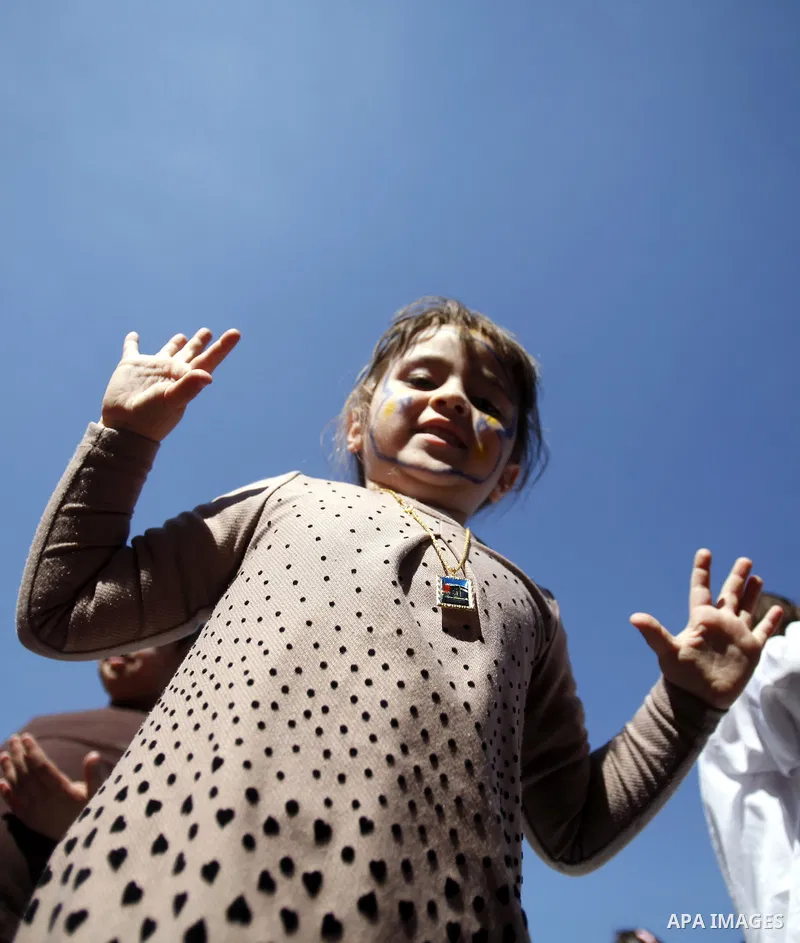
Palestinians take part in the annual Jerusalem's cakes festival in the east Jerusalem neighborhood of Sheikh Jarrah, Oct. 27, 2013. The Jerusalem's cakes festival is an annual carnival that inviting Palestinian children, students and adults alike to enjoy music, plays, handmade products exhibitions, and flavors of Jerusalem cakes and sweets during a one day festival. Photo by Saeed Qaq

Palestinians take part in the annual Jerusalem's cakes festival in the east Jerusalem neighborhood of Sheikh Jarrah, Oct. 27, 2013. The Jerusalem's cakes festival is an annual carnival that inviting Palestinian children, students and adults alike to enjoy music, plays, handmade products exhibitions, and flavors of Jerusalem cakes and sweets during a one day festival. Photo by Saeed Qaq

Palestinians take part in the annual Jerusalem's cakes festival in the east Jerusalem neighborhood of Sheikh Jarrah, Oct. 27, 2013. The Jerusalem's cakes festival is an annual carnival that inviting Palestinian children, students and adults alike to enjoy music, plays, handmade products exhibitions, and flavors of Jerusalem cakes and sweets during a one day festival. Photo by Saeed Qaq

Palestinians take part in the annual Jerusalem's cakes festival in the east Jerusalem neighborhood of Sheikh Jarrah, Oct. 27, 2013. The Jerusalem's cakes festival is an annual carnival that inviting Palestinian children, students and adults alike to enjoy music, plays, handmade products exhibitions, and flavors of Jerusalem cakes and sweets during a one day festival. Photo by Saeed Qaq
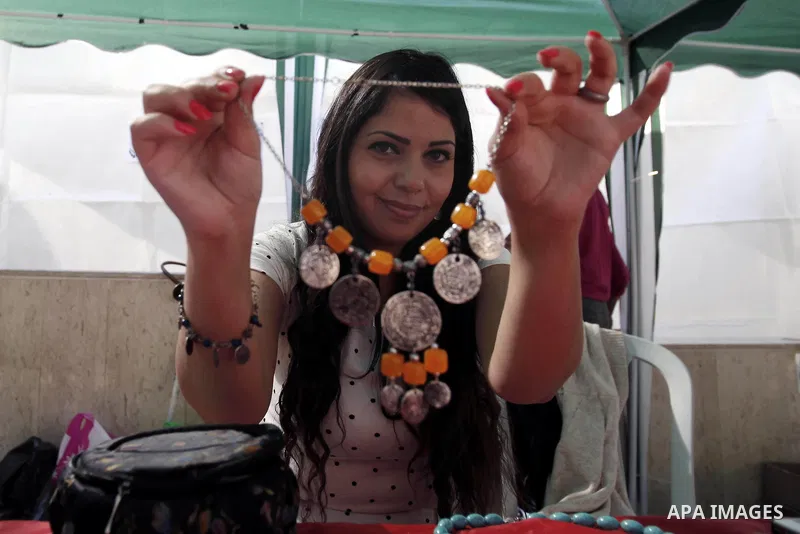
Palestinians take part in the annual Jerusalem's cakes festival in the east Jerusalem neighborhood of Sheikh Jarrah, Oct. 27, 2013. The Jerusalem's cakes festival is an annual carnival that inviting Palestinian children, students and adults alike to enjoy music, plays, handmade products exhibitions, and flavors of Jerusalem cakes and sweets during a one day festival. Photo by Saeed Qaq
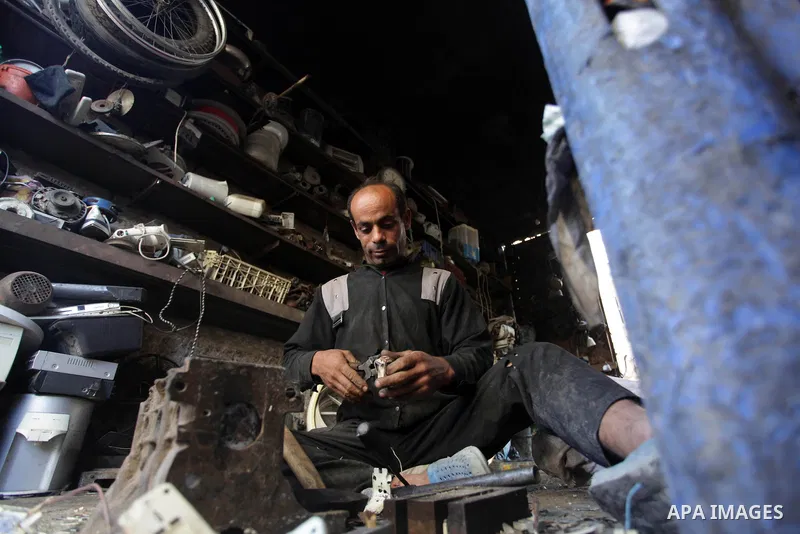
A Palestinian man works at his scraps workshop in a market in Gaza City on Oct. 27, 2013. Photo by Ashraf Amra
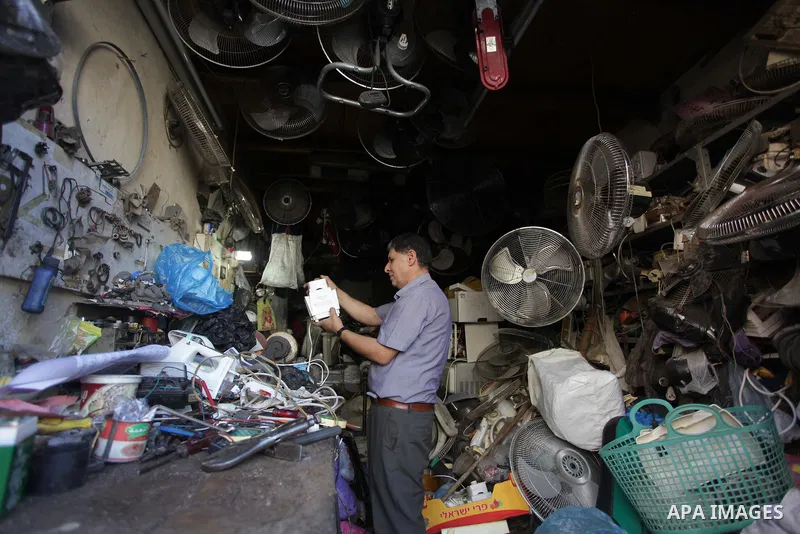
A Palestinian man fixes electronics at his workshop in a market in Gaza City on Oct. 27, 2013. Photo by Ashraf Amra
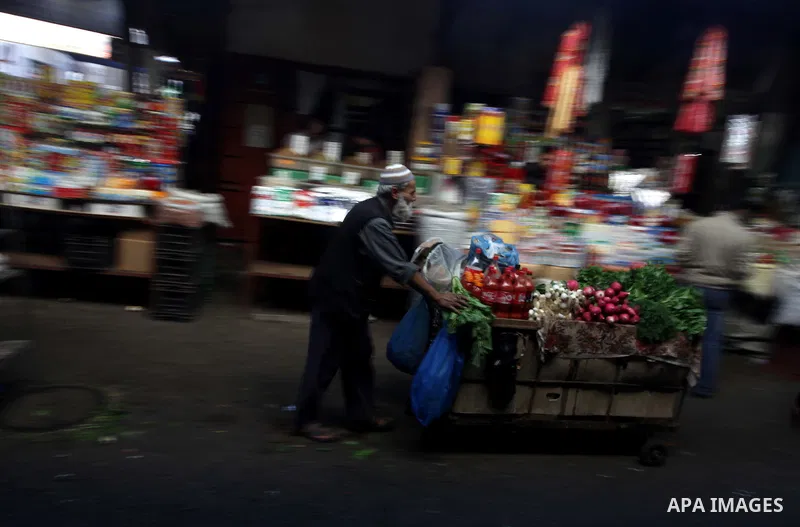
A Palestinian man sells vegetables at a street market in Gaza City on Oct. 27, 2013. Photo by Ashraf Amra
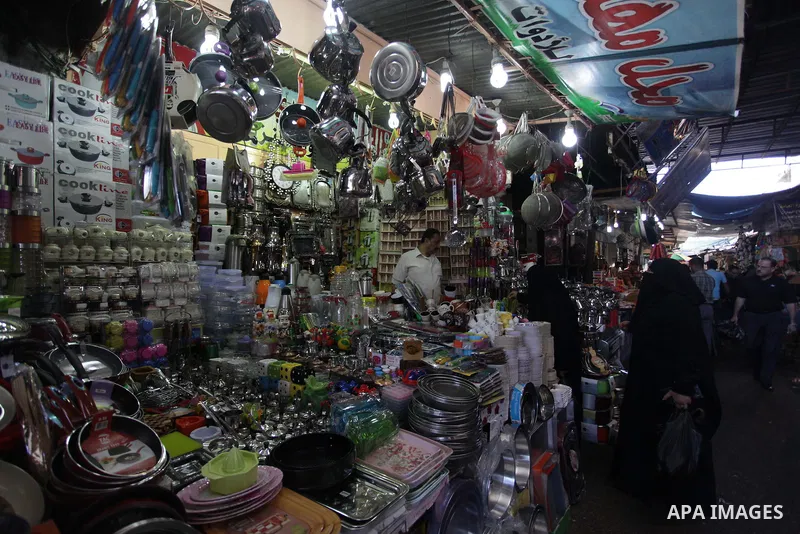
A Palestinian man sells housewares at his shop in a market in Gaza City on Oct. 27, 2013. Photo by Ashraf Amra
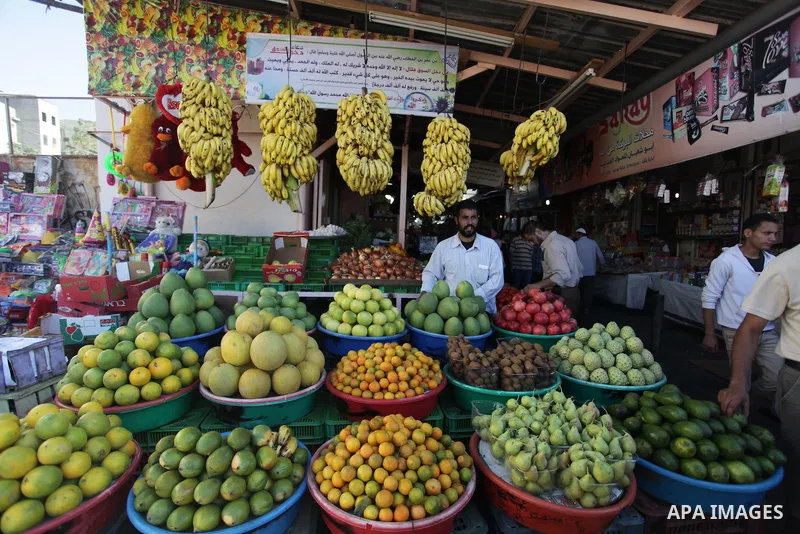
A Palestinian man sells fruits at his shop in a market in Gaza City on Oct. 27, 2013. Photo by Ashraf Amra
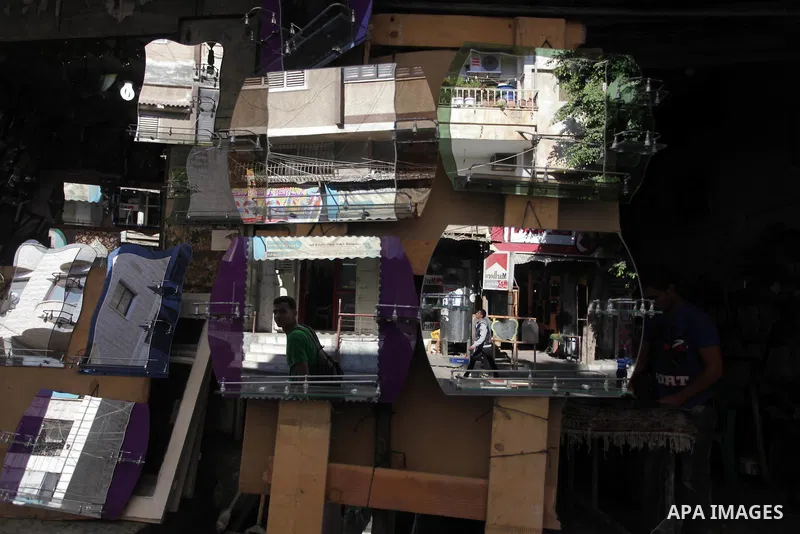
Palestinians are reflected on mirrors as they walk past a mirrors workshop in a market in Gaza City on Oct. 27, 2013. Photo by Ashraf Amra
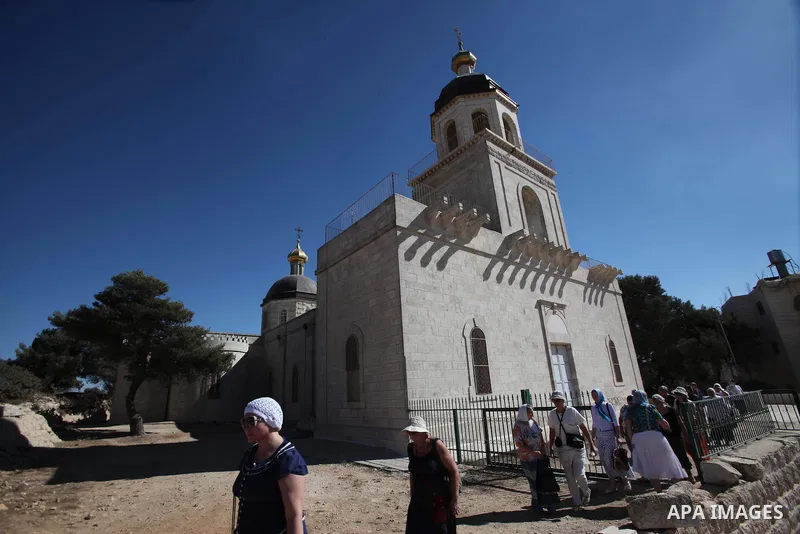
Russian tourists visit the Russian Compound Church "al-Muskubīya" , in the West Bank city of Hebron, on Oct. 26, 2013. The site of the oak was acquired in 1868 by Archimandrite Antonin (Kapustin) for the Church of Russia, and the Monastery of the Holy Trinity was founded nearby. The site has since been a major attraction for Russian pilgrims before the revolution, and is the only functioning Christian shrine in the Hebron region. After the Russian Revolution. Photo by Mamoun Wazwaz
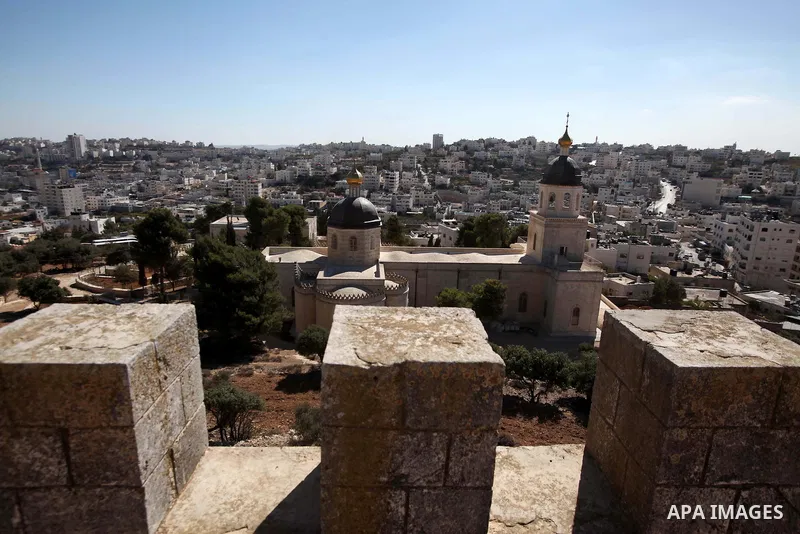
A Picture taken in 26, Oct. 2013, Shows the Russian Compound Church "al-Muskubīya" , in the West Bank city of Hebron. The site of the oak was acquired in 1868 by Archimandrite Antonin (Kapustin) for the Church of Russia, and the Monastery of the Holy Trinity was founded nearby. The site has since been a major attraction for Russian pilgrims before the revolution, and is the only functioning Christian shrine in the Hebron region. After the Russian Revolution. Photo by Mamoun Wazwaz
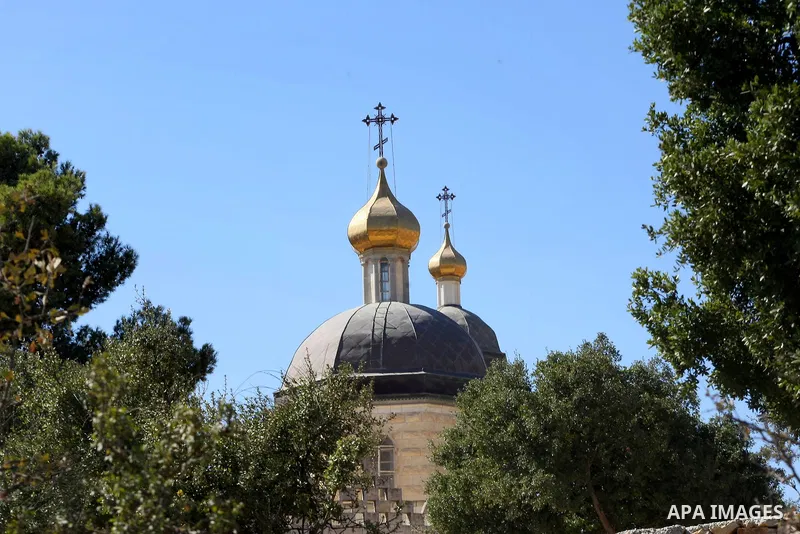
A Picture taken in 26, Oct. 2013, Shows the Russian Compound Church "al-Muskubīya" , in the West Bank city of Hebron, on Oct. 26, 2013. The site of the oak was acquired in 1868 by Archimandrite Antonin (Kapustin) for the Church of Russia, and the Monastery of the Holy Trinity was founded nearby. The site has since been a major attraction for Russian pilgrims before the revolution, and is the only functioning Christian shrine in the Hebron region. After the Russian Revolution. Photo by Mamoun Wazwaz
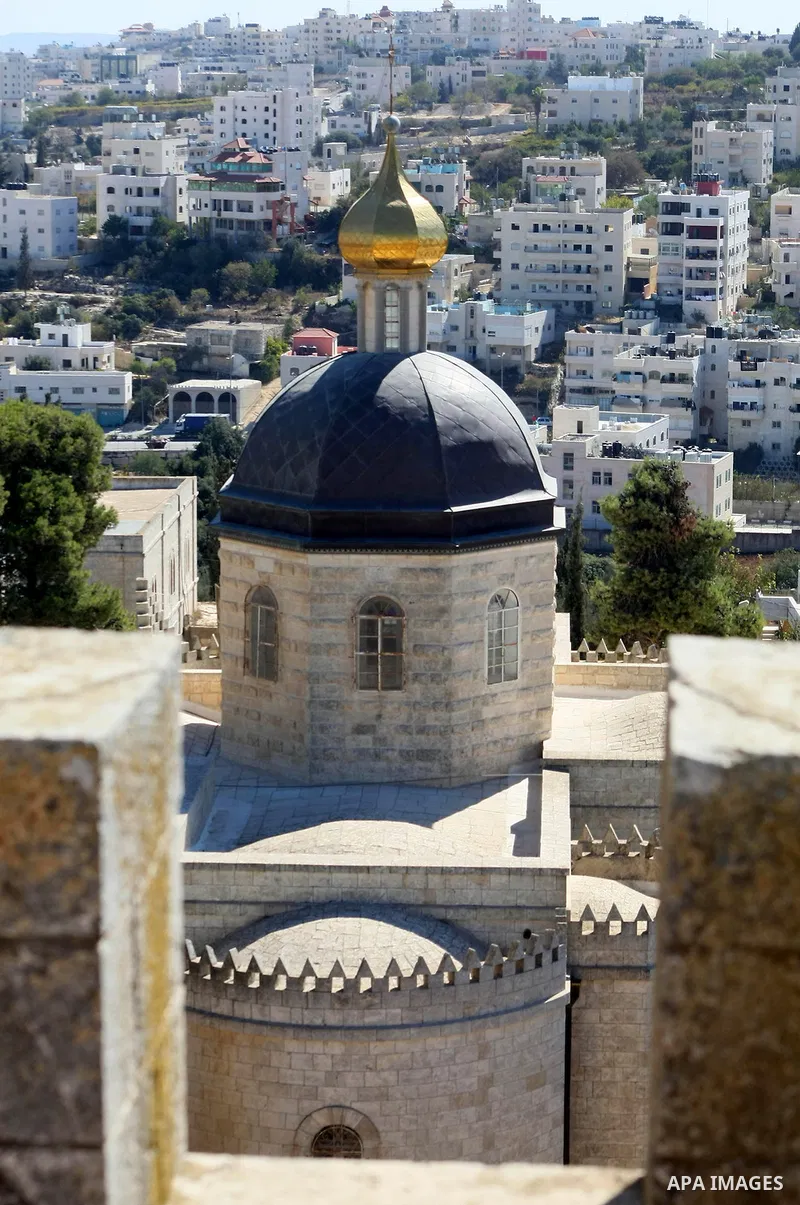
A Picture taken in 26, Oct. 2013, Shows the Russian Compound Church "al-Muskubīya" , in the West Bank city of Hebron. The site of the oak was acquired in 1868 by Archimandrite Antonin (Kapustin) for the Church of Russia, and the Monastery of the Holy Trinity was founded nearby. The site has since been a major attraction for Russian pilgrims before the revolution, and is the only functioning Christian shrine in the Hebron region. After the Russian Revolution. Photo by Mamoun Wazwaz
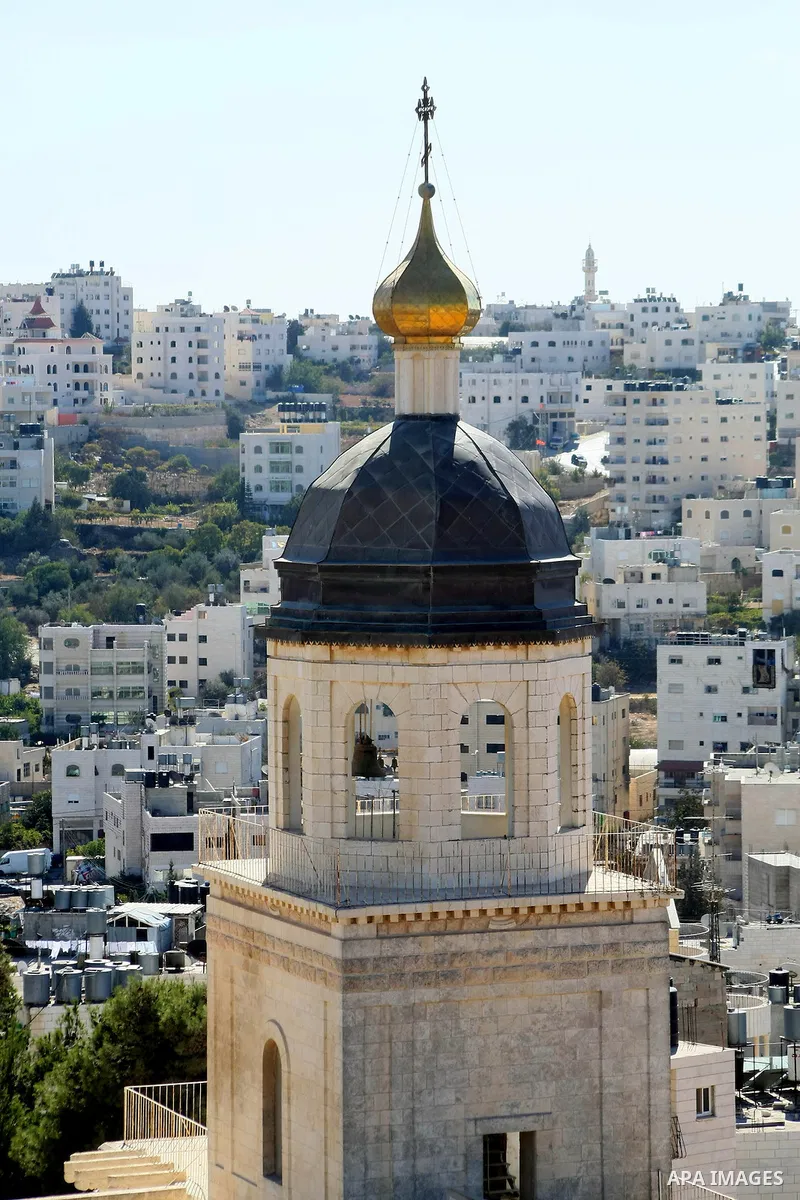
A Picture taken in 26, Oct. 2013, Shows the Russian Compound Church "al-Muskubīya" , in the West Bank city of Hebron. The site of the oak was acquired in 1868 by Archimandrite Antonin (Kapustin) for the Church of Russia, and the Monastery of the Holy Trinity was founded nearby. The site has since been a major attraction for Russian pilgrims before the revolution, and is the only functioning Christian shrine in the Hebron region. After the Russian Revolution. Photo by Mamoun Wazwaz
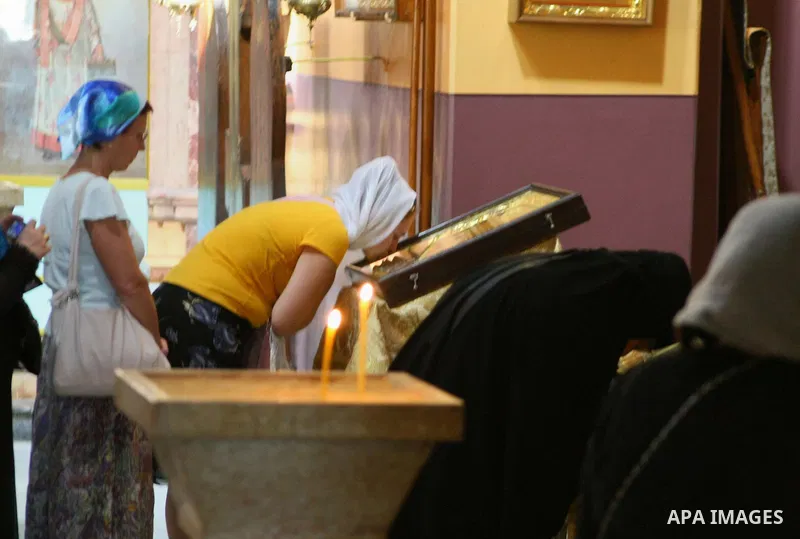
Russian tourists pray at the Russian Compound Church "al-Muskubīya" , in the West Bank city of Hebron, on Oct. 26, 2013. The site of the oak was acquired in 1868 by Archimandrite Antonin (Kapustin) for the Church of Russia, and the Monastery of the Holy Trinity was founded nearby. The site has since been a major attraction for Russian pilgrims before the revolution, and is the only functioning Christian shrine in the Hebron region. After the Russian Revolution. Photo by Mamoun Wazwaz

Russian tourists pray at the Russian Compound Church "al-Muskubīya" , in the West Bank city of Hebron, on Oct. 26, 2013. The site of the oak was acquired in 1868 by Archimandrite Antonin (Kapustin) for the Church of Russia, and the Monastery of the Holy Trinity was founded nearby. The site has since been a major attraction for Russian pilgrims before the revolution, and is the only functioning Christian shrine in the Hebron region. After the Russian Revolution. Photo by Mamoun Wazwaz
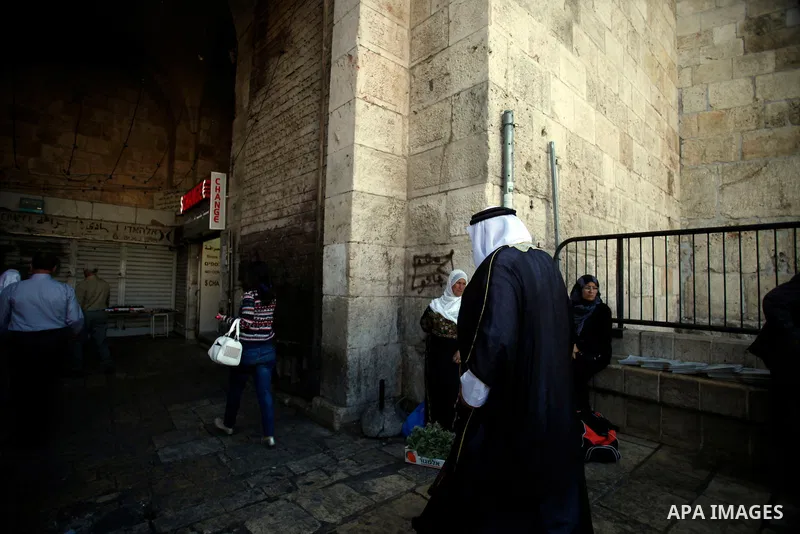
A Palestinian man walks in front of Damascus gate following Friday prayers at the Al-Aqsa compound, Islam's third holiest site, in the old city of Jerusalem, on Oct. 25, 2013. Photo by Saeed Qaq

Palestinian fishermen pull their net from the sea during the sunset at the beach of Gaza City, on Oct. 24, 2013. Israel restricted the fishing zone to three nautical miles following the kidnapping of Israeli soldier Gilad Shalit in 2007. The Oslo Accords signed in 1993 with the Palestinian Authority stipulate that Gaza s fishing zone should extend to 20 nautical miles. The zone was then extended to six nautical miles as part of the Egyptian-brokered cease-fire in November 2012, but Israel intermittently reduce it to three nautical miles each time violence flares. Photo by Mohammed Asad
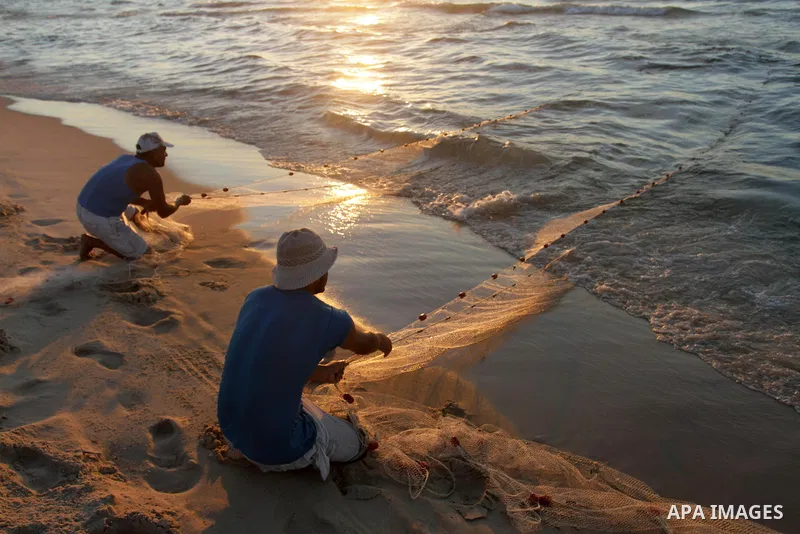
Palestinian fishermen pull their net from the sea during the sunset at the beach of Gaza City, on Oct. 24, 2013. Israel restricted the fishing zone to three nautical miles following the kidnapping of Israeli soldier Gilad Shalit in 2007. The Oslo Accords signed in 1993 with the Palestinian Authority stipulate that Gaza s fishing zone should extend to 20 nautical miles. The zone was then extended to six nautical miles as part of the Egyptian-brokered cease-fire in November 2012, but Israel intermittently reduce it to three nautical miles each time violence flares. Photo by Mohammed Asad
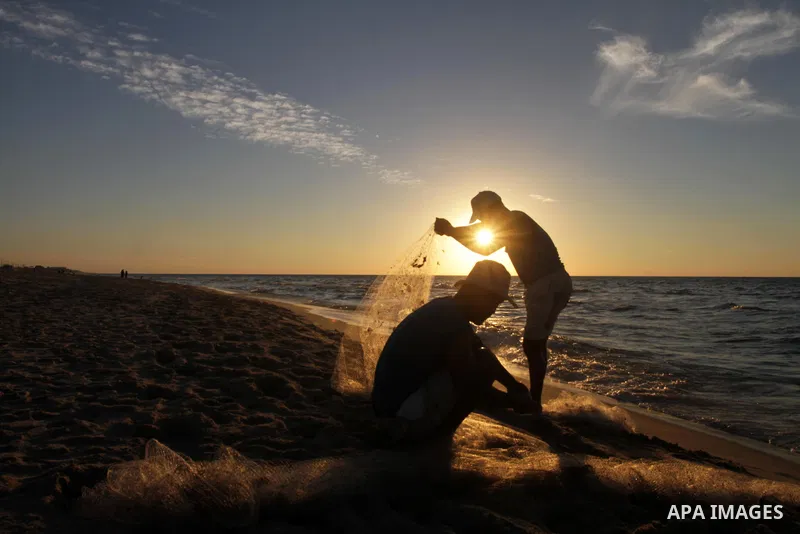
Palestinian fishermen pull their net from the sea during the sunset at the beach of Gaza City, on Oct. 24, 2013. Israel restricted the fishing zone to three nautical miles following the kidnapping of Israeli soldier Gilad Shalit in 2007. The Oslo Accords signed in 1993 with the Palestinian Authority stipulate that Gaza s fishing zone should extend to 20 nautical miles. The zone was then extended to six nautical miles as part of the Egyptian-brokered cease-fire in November 2012, but Israel intermittently reduce it to three nautical miles each time violence flares. Photo by Mohammed Asad
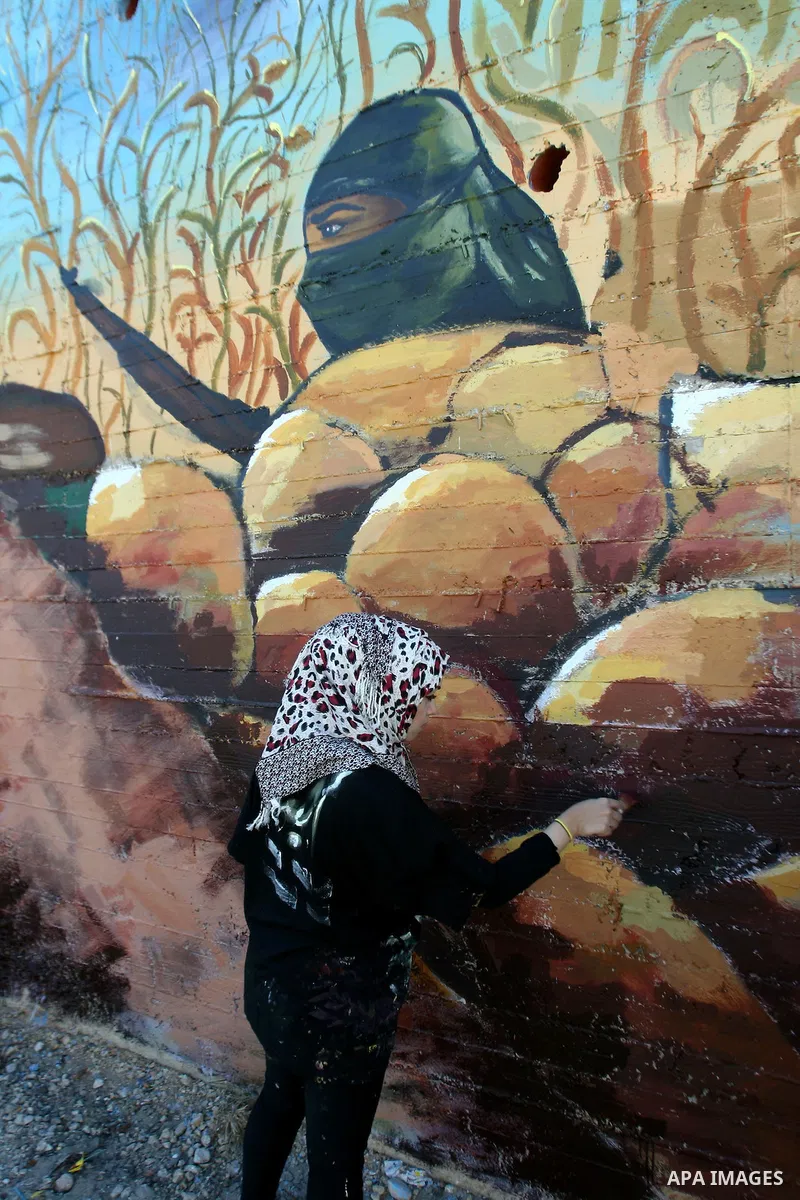
A Palestinian artist paints a mural depicting Palestinian heritage, in the West Bank city of Nablus, on Oct. 24, 2013. Photo by Nedal Eshtayah
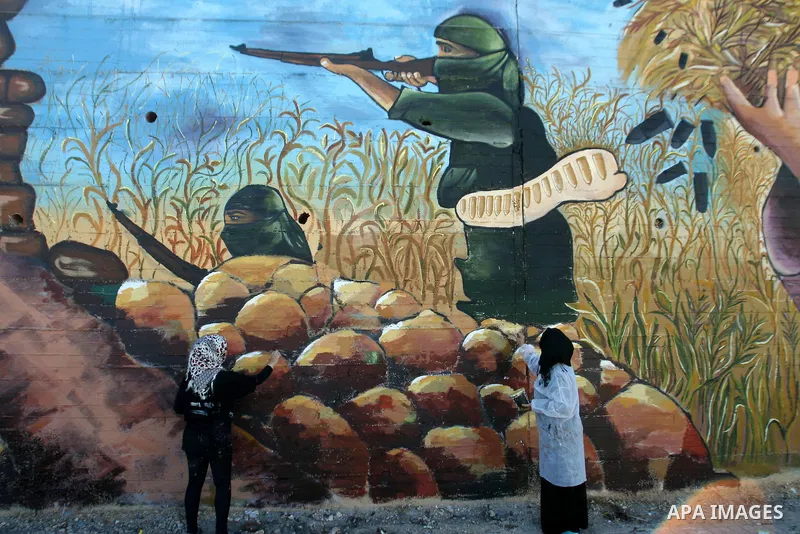
Palestinian artists paint a mural depicting Palestinian heritage, in the West Bank city of Nablus, on Oct. 24, 2013. Photo by Nedal Eshtayah
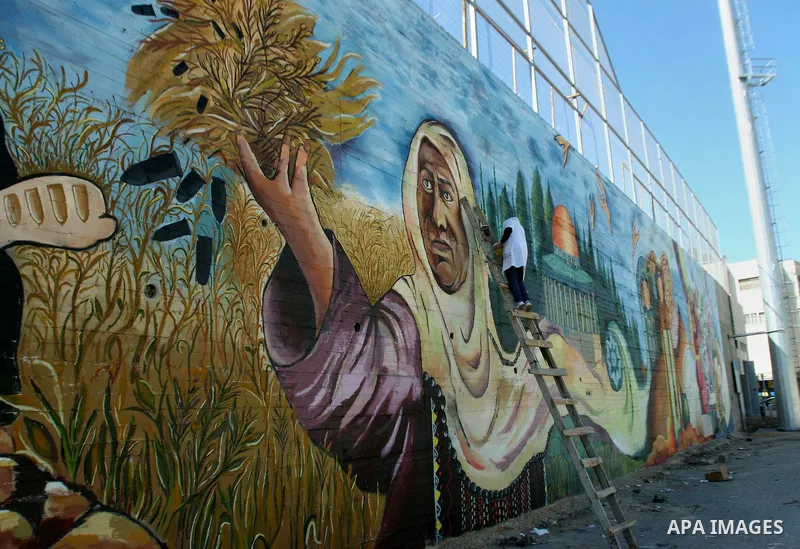
A Palestinian artist paints a mural depicting Palestinian heritage, in the West Bank city of Nablus, on Oct. 24, 2013. Photo by Nedal Eshtayah
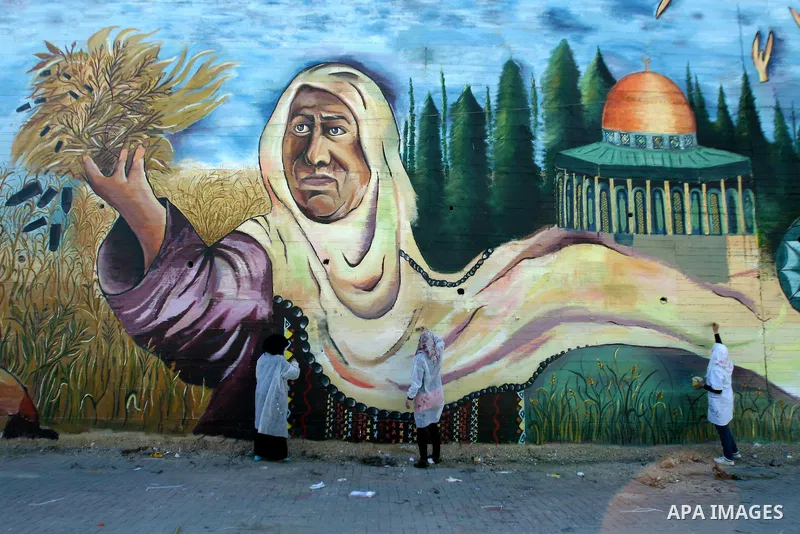
Palestinian artists paint a mural depicting Palestinian heritage, in the West Bank city of Nablus, on Oct. 24, 2013. Photo by Nedal Eshtayah

Palestinian school children wash olives in Gaza city, on Oct. 24, 2013. as part of training children how to harvest olives. Regional farmers are harvesting their olives this year from mid-October until 01 November. Photo by Ashraf Amra

Palestinian school children color olives in Gaza city, on Oct. 24, 2013. as part of training children how to harvest olives. Regional farmers are harvesting their olives this year from mid-October until 01 Novembe. Photo by Ashraf Amra
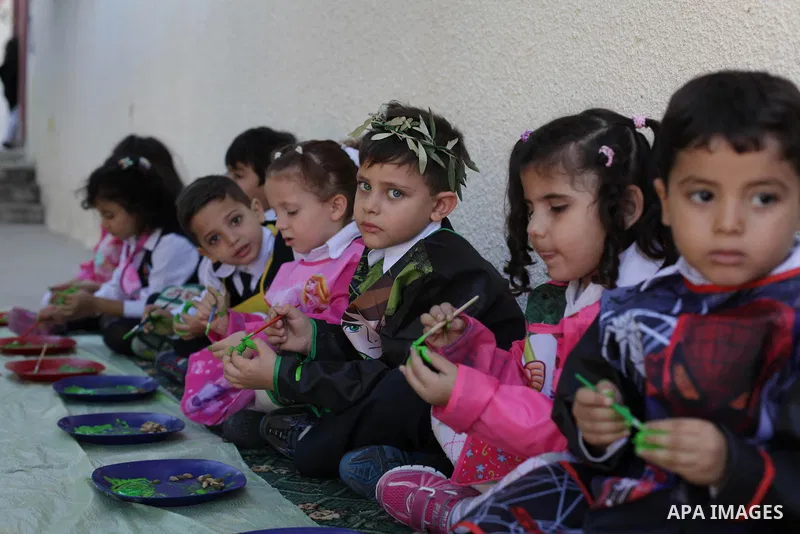
Palestinian school children color olives in Gaza city, on Oct. 24, 2013. as part of training children how to harvest olives. Regional farmers are harvesting their olives this year from mid-October until 01 Novembe. Photo by Ashraf Amra
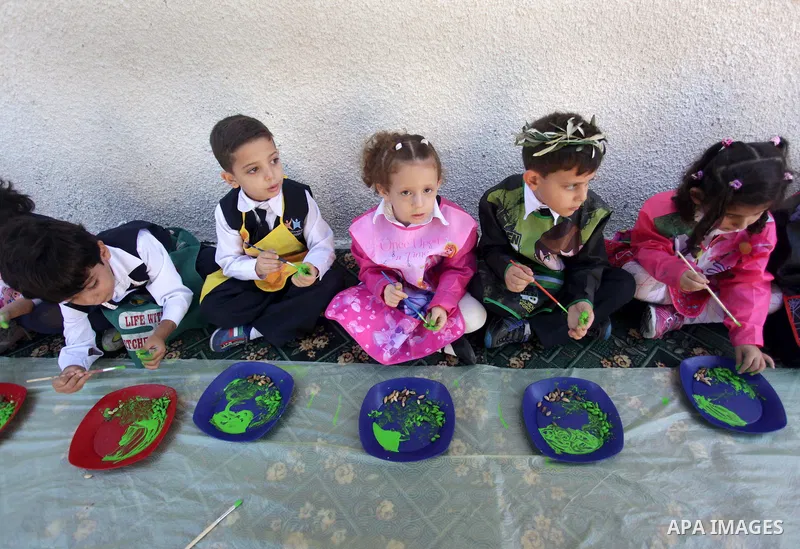
Palestinian school children color olives in Gaza city, on Oct. 24, 2013. as part of training children how to harvest olives. Regional farmers are harvesting their olives this year from mid-October until 01 Novembe. Photo by Ashraf Amra

Palestinian school children are grown olives trees in Gaza city, on Oct. 24, 2013. as part of training children how to harvest olives. Regional farmers are harvesting their olives this year from mid-October until 01 November. Photo by Ashraf Amra
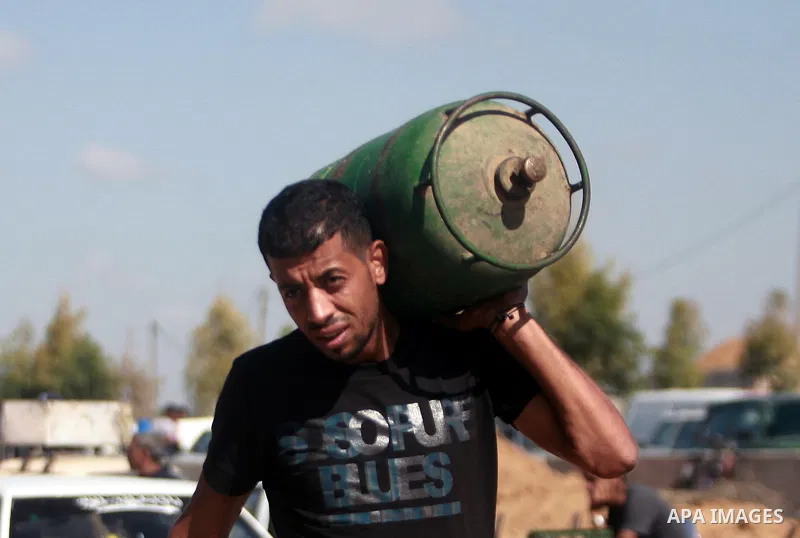
A Palestinian man carries a cooking gas container after refilling it at a warehouse in Rafah, in the southern Gaza Strip, Oct. 23, 2013. The Gaza Strip is reportedly suffering from a shortage of gas after the Egyptian side of the Rafah border crossing was shut in the wake of a military coup which ousted Egyptian President Mohamed Morsi. Photo by Eyad Al Baba
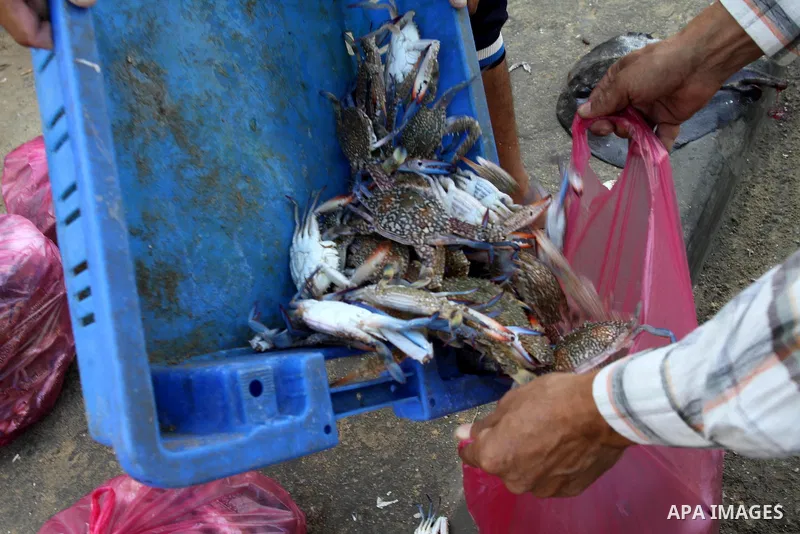
A Palestinian fishermen sells crabs at the beach of Gaza City, on Oct. 23, 2013. Israel restricted the fishing zone to three nautical miles following the kidnapping of Israeli soldier Gilad Shalit in 2007. The Oslo Accords signed in 1993 with the Palestinian Authority stipulate that Gaza s fishing zone should extend to 20 nautical miles. The zone was then extended to six nautical miles as part of the Egyptian-brokered cease-fire in November 2012, but Israel intermittently reduce it to three nautical miles each time violence flares. Photo by Mohammed Asad

Palestinian fishermen take crabs out of their net at the beach of Gaza City, on Oct. 23, 2013. Israel restricted the fishing zone to three nautical miles following the kidnapping of Israeli soldier Gilad Shalit in 2007. The Oslo Accords signed in 1993 with the Palestinian Authority stipulate that Gaza s fishing zone should extend to 20 nautical miles. The zone was then extended to six nautical miles as part of the Egyptian-brokered cease-fire in November 2012, but Israel intermittently reduce it to three nautical miles each time violence flares. Photo by Mohammed Asad

A Palestinian fisherman takes a crab out of his net at the beach of Gaza City, on Oct. 23, 2013. Israel restricted the fishing zone to three nautical miles following the kidnapping of Israeli soldier Gilad Shalit in 2007. The Oslo Accords signed in 1993 with the Palestinian Authority stipulate that Gaza s fishing zone should extend to 20 nautical miles. The zone was then extended to six nautical miles as part of the Egyptian-brokered cease-fire in November 2012, but Israel intermittently reduce it to three nautical miles each time violence flares. Photo by Mohammed Asad
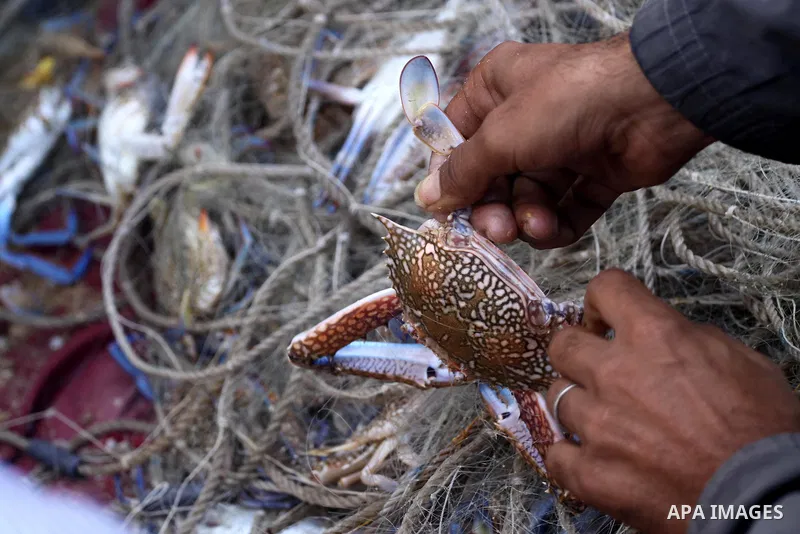
A Palestinian fisherman takes a crab out of his net at the beach of Gaza City, on Oct. 23, 2013. Israel restricted the fishing zone to three nautical miles following the kidnapping of Israeli soldier Gilad Shalit in 2007. The Oslo Accords signed in 1993 with the Palestinian Authority stipulate that Gaza s fishing zone should extend to 20 nautical miles. The zone was then extended to six nautical miles as part of the Egyptian-brokered cease-fire in November 2012, but Israel intermittently reduce it to three nautical miles each time violence flares. Photo by Mohammed Asad
Koleksiyon
Kas 2008 – Ağu 2023

Koleksiyon
Oca 2020 – Kas 2026

Koleksiyon
Şub 2020 – Kas 2026
Koleksiyon
31 Eki 2026
Filigranlı önizleme. Lisanslı dosya tam kalitede ve filigransız teslim edilir.
Mevcut kalite seçenekleri ve fiyatlandırma için APA ile iletişime geçin.
Bu materyal için ticari, münhasır, belgesel veya diğer özel hakları talep edin.
Fotoğrafları, videoları ve haberleri kendi dilinizde arayın.
Şunları sorabilirsiniz