A Palestinian high school male student, Omar Shamali, 99.7%, celebrates with his family after heard the results of his final exams known as ''Tawjihi'', in the West Bank city of Ramallah
A Palestinian high school male student, Omar Shamali, 99.7%, celebrates with his family after heard the results of his final exams known as ''Tawjihi'', in the West Bank city of Ramallah
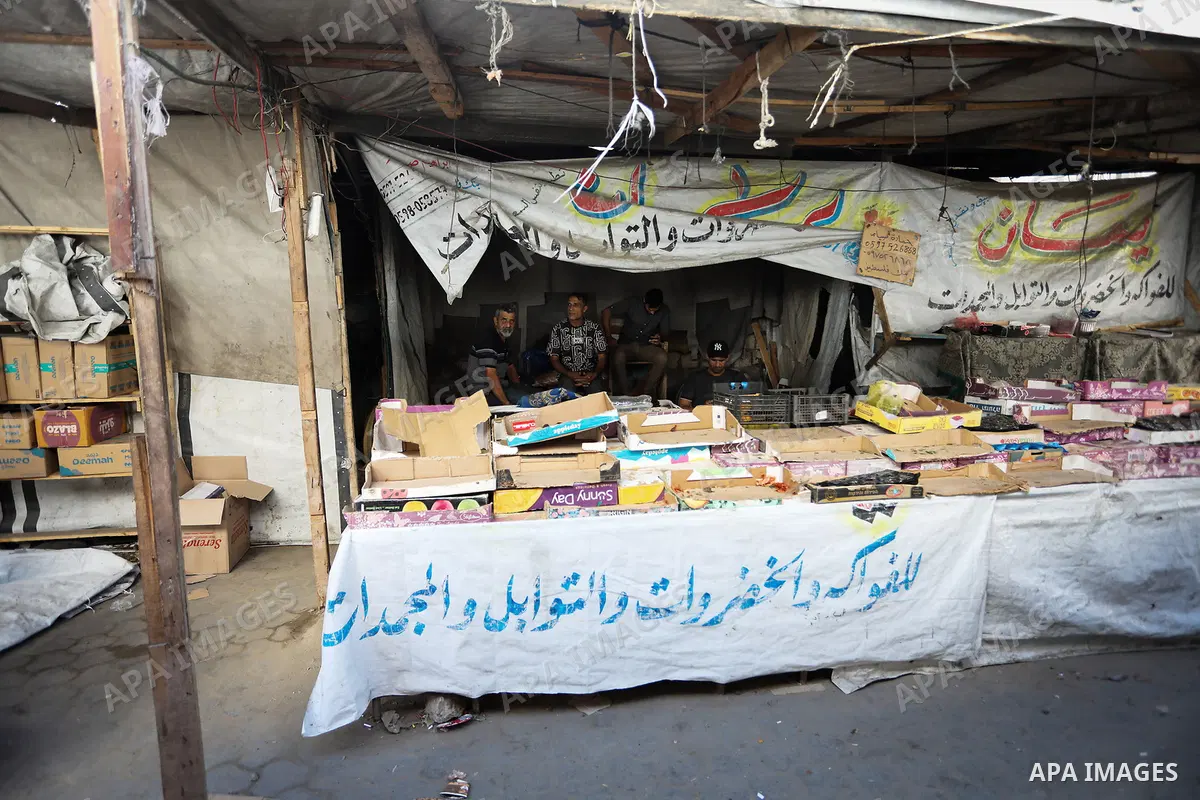
Palestinian vendors display secondhand furniture and household items salvaged from destroyed homes at a market in Khan Younis, southern Gaza Strip, on November 15, 2026. Displaced Palestinians and families affected by the war search for affordable household essentials amid worsening economic conditions and loss of income, while vendors seek to earn a living by selling recovered goods.
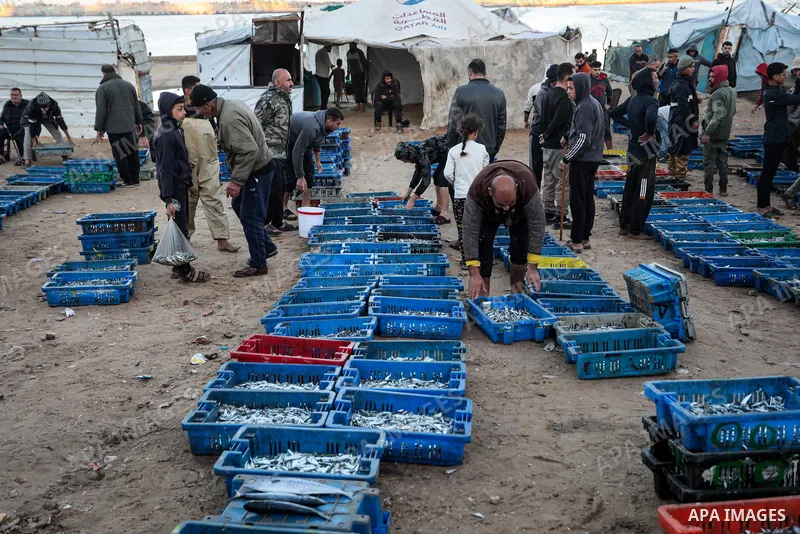
Palestinian fishermen work at Gaza seaport in Gaza City on November 14, 2026, as they struggle to earn a living amid Israeli restrictions on access to the sea, limited fishing zones, shortages of fuel, equipment and fishing nets, and widespread damage to boats and fishing infrastructure during the war. According to estimates published by the Al Mezan Center for Human Rights in August, approximately 95 percent of Gaza's fishing sector has been destroyed, while 233 fishermen have been killed, 140 wounded and 130 arrested since the start of the war.
Jordan's King Abdullah II chairs a meeting in Amman on November 11, 2026, attended by Crown Prince Hussein bin Abdullah II, to review energy infrastructure projects including electricity generation and storage and energy port infrastructure. The King emphasized the need to accelerate priority projects and create an attractive investment environment to expand renewable energy.
Turkish President Recep Tayyip Erdogan meets with executives from several South Korean companies operating in the technology, electronics, biotechnology and chemical industries in Seoul, South Korea, on November 4, 2026. The meeting takes place as part of Erdogan's official visit to the country.
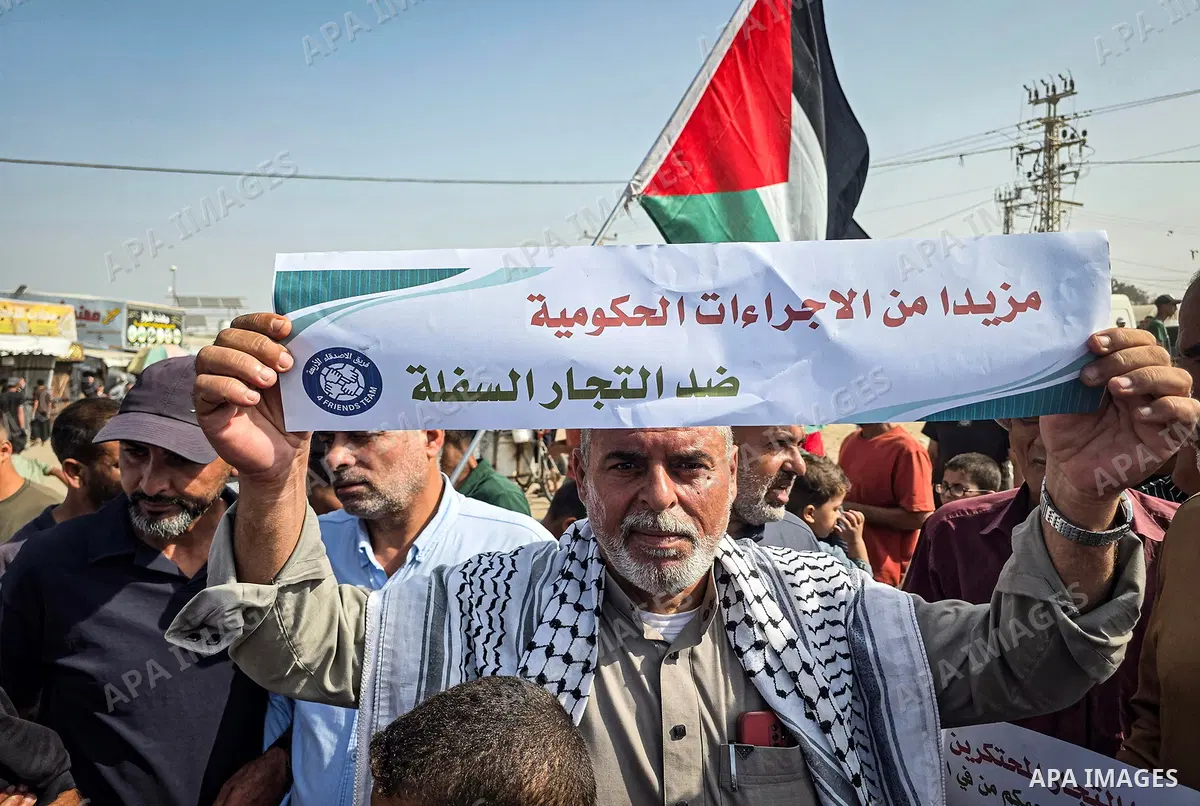
Palestinians took part in a protest against rising prices and alleged monopolistic practices in Khan Younis, southern Gaza Strip, on November 3, 2026. Protesters demanded an investigation and accountability for those involved in exploiting consumers amid deteriorating living and economic conditions in the Gaza Strip.
Palestinian workers collect and sort plastic waste and nylon bags in the Sheikh Radwan neighborhood, north of Gaza City, on October 29, 2026, to extract alternative fuel, including diesel and gasoline, through makeshift burning ovens. Through thermal distillation, residents and workers produce limited amounts of fuel needed to run electricity generators, water pumps and vehicles, amid a tight blockade and severe shortages of fuel and basic goods in the Gaza Strip.
Vendors and residents stand beside empty fruit and vegetable stalls at al-Sahaba Market in Gaza City, amid severe shortages of fresh produce and record-high prices due to continued border crossing closures and restrictions on commercial and humanitarian supplies. Declining imports and funding shortages that prompted the World Food Programme to cut daily hot meals from 250,000 to 150,000 have raised concerns over a renewed risk of famine in the Gaza Strip.