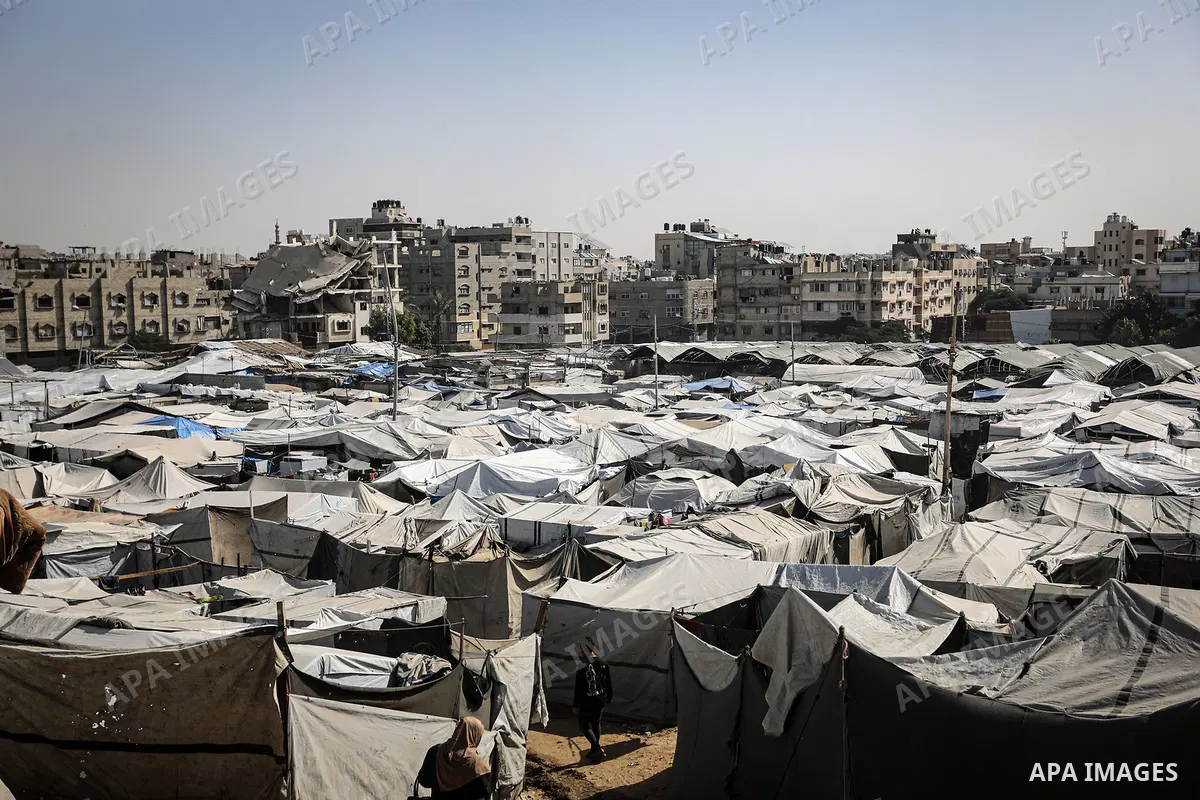
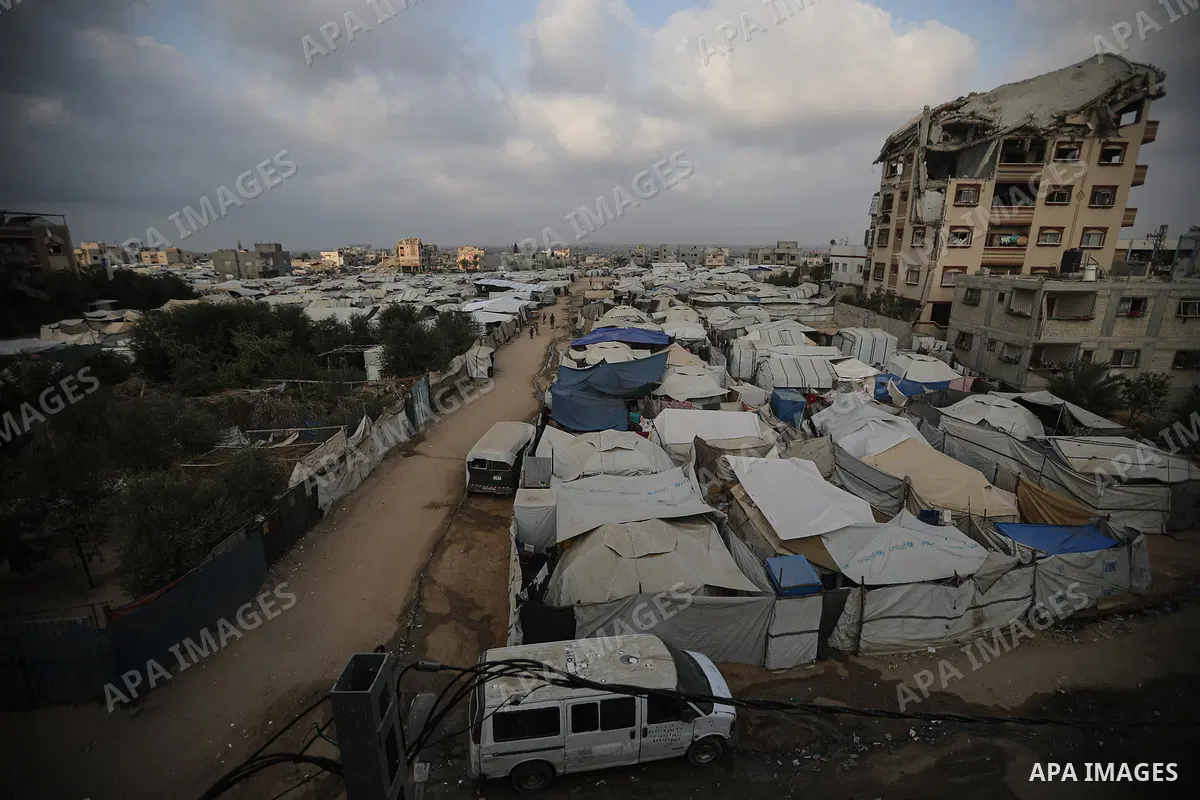
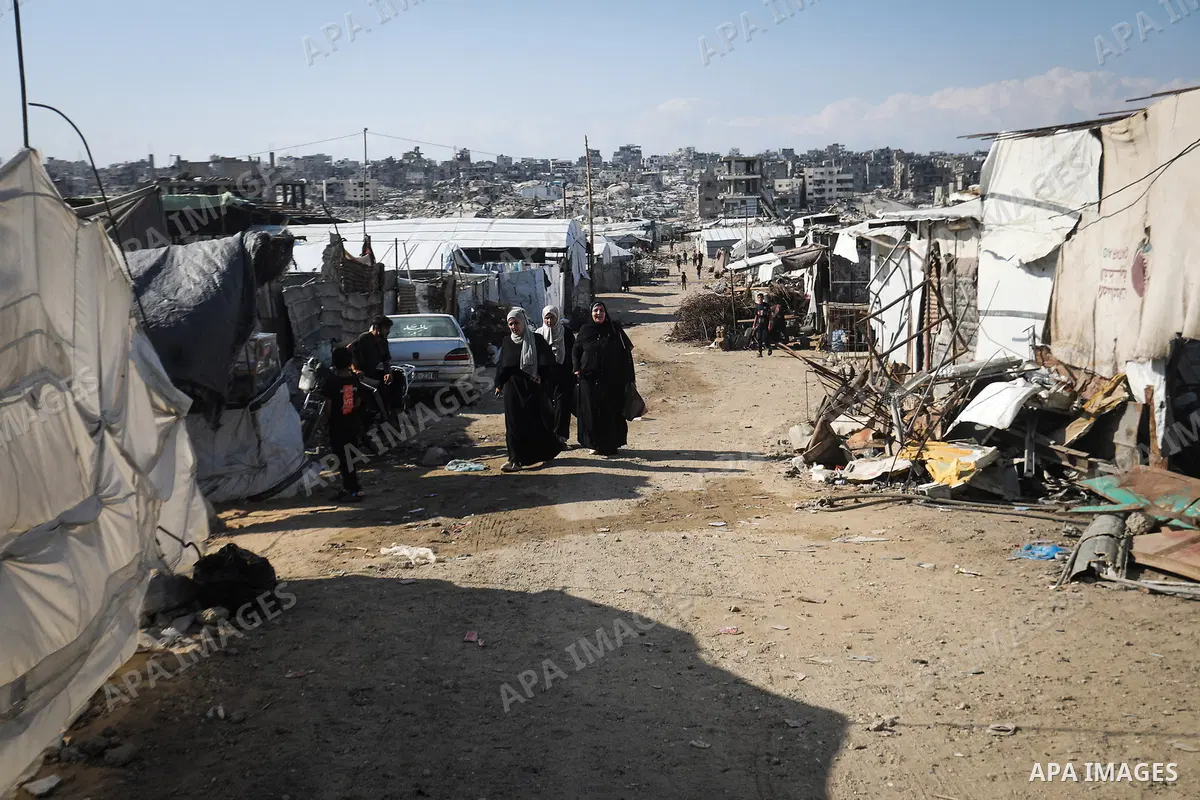
Displaced Palestinians go about their daily lives amid difficult living conditions in Gaza City, with continued shortages of shelter and basic services following widespread destruction caused by the war. Thousands of displaced people prepare to face the winter in tents and temporary shelters lacking protection from rain and cold, amid worsening humanitarian conditions in the Gaza Strip.
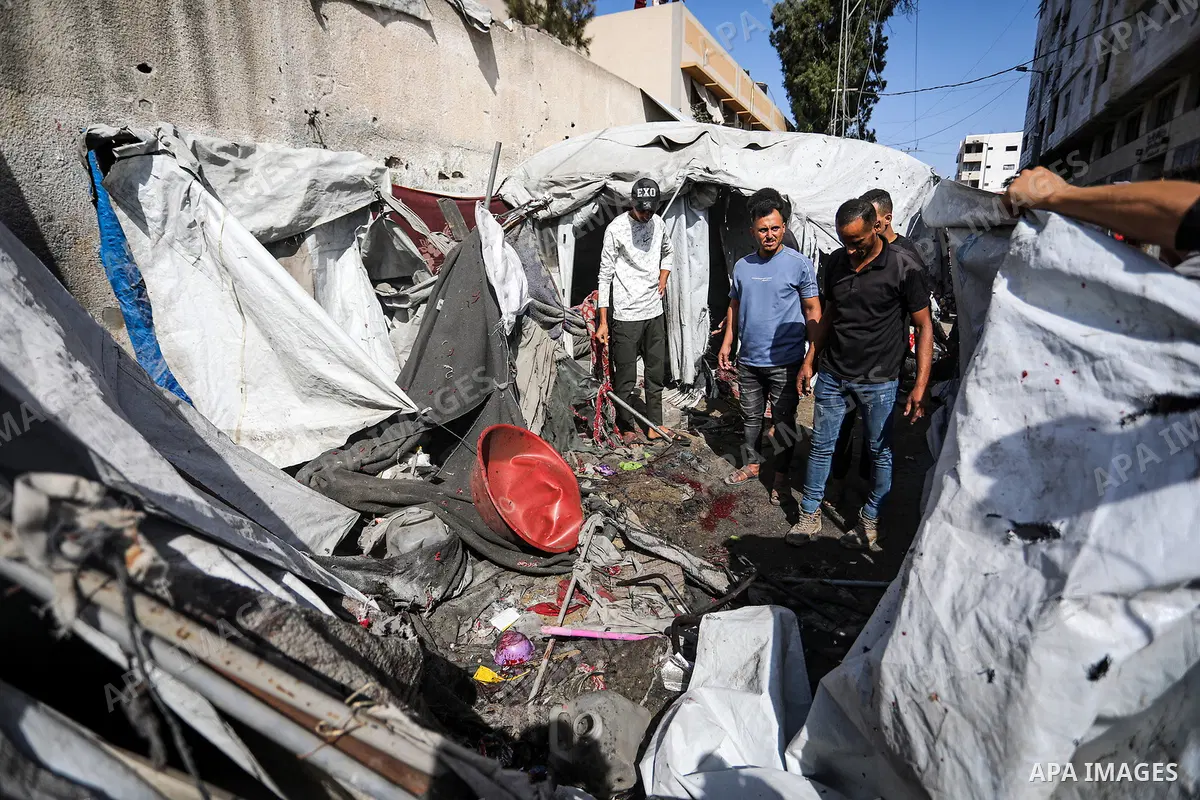
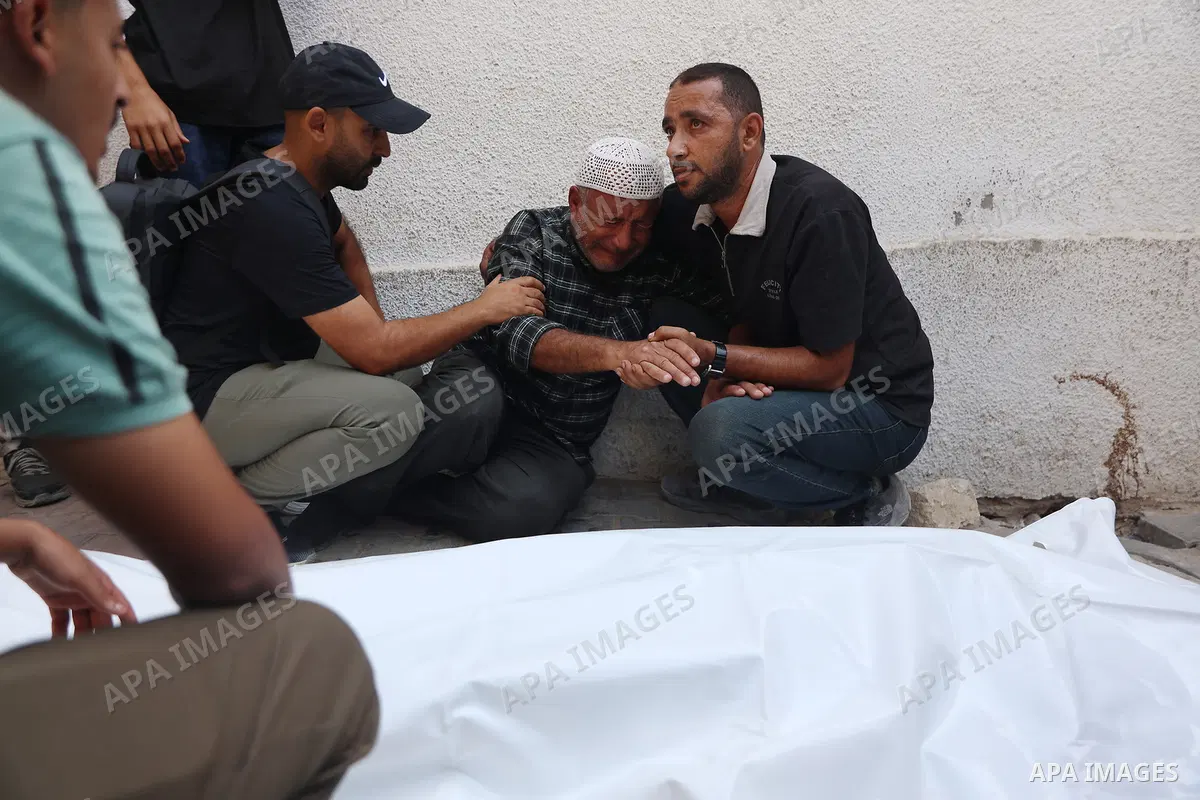
An Israeli strike targeting a group of people in the al-Rimal neighborhood of western Gaza City on November 1, 2026 killed three Palestinians, including a child, wounded others and damaged tents sheltering displaced people at the site. Paramedics carried the dead and wounded to al-Shifa Hospital, where mourners gathered around the bodies to bid farewell to their relatives.
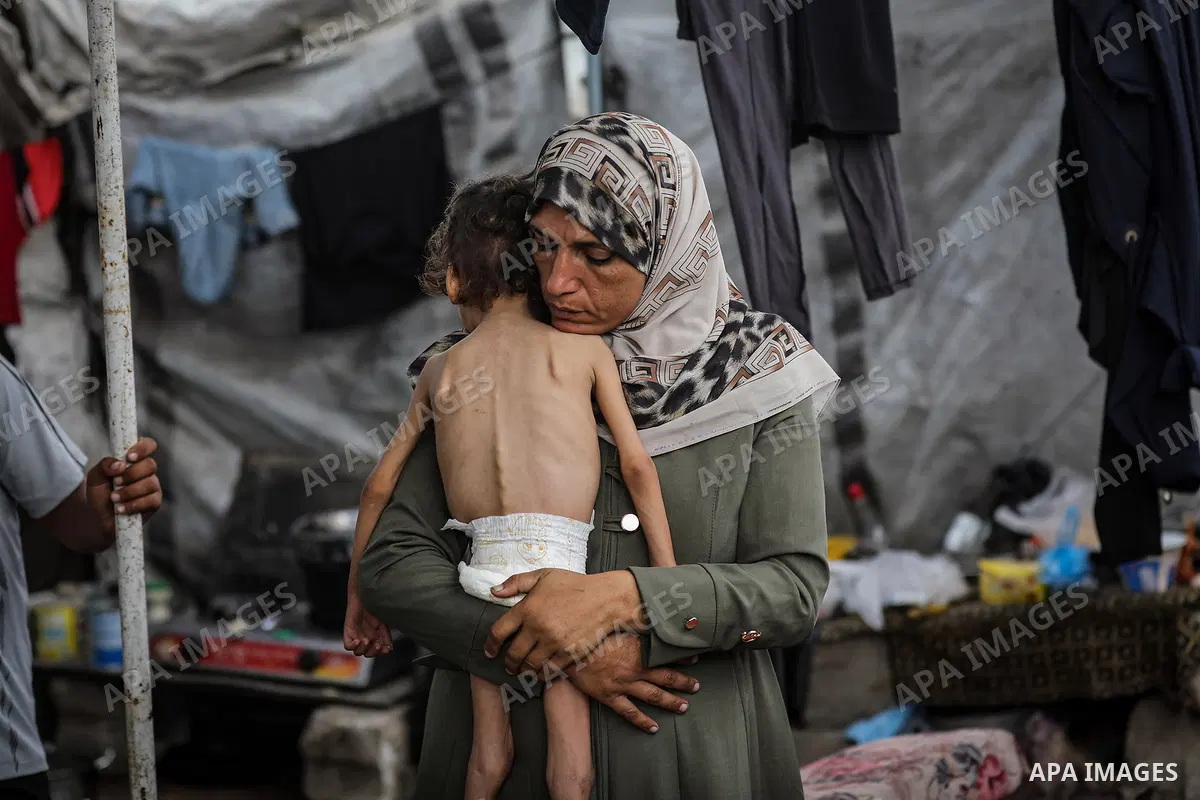
Seven-year-old Fula Asaliya, who suffers from muscle atrophy and severe malnutrition, lives with her family in a tent at the Halawa displacement camp in the northeastern Gaza Strip, where they face shortages of food, baby formula and the medications her condition requires amid the continued Israeli blockade. According to the Palestinian Ministry of Health, approximately 158,000 children in Gaza suffer from acute malnutrition, including 28,000 whose lives are at risk.
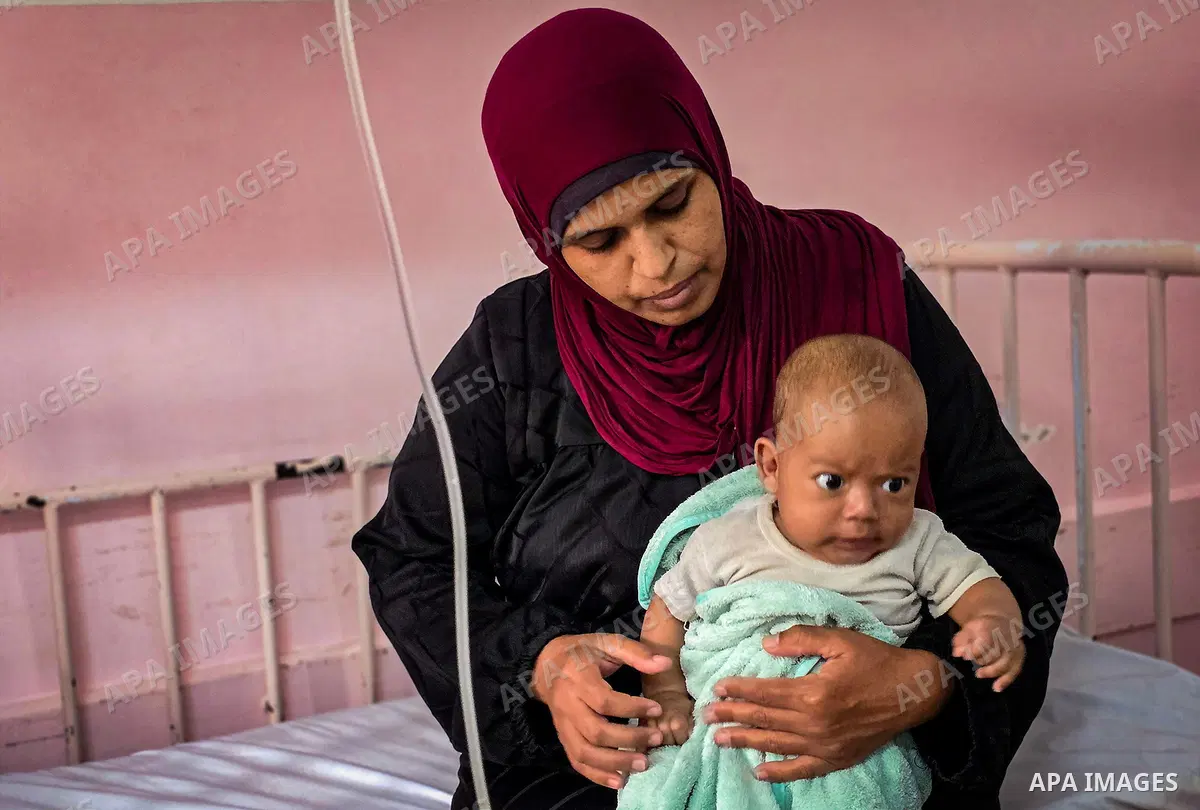
Palestinian children receive medical care at Nasser Medical Complex in Khan Younis amid reports of multiple cases of bacterial meningitis accompanied by bloodstream infections, with four children having died in intensive care, according to the medical complex. Doctors warn of worsening health conditions amid malnutrition, overcrowding, shortages of clean water and limited access to medical services.
Displaced Palestinians carry out their daily activities inside makeshift tents at the Nuseirat refugee camp in the central Gaza Strip amid a prolonged displacement crisis and deteriorating living conditions as winter approaches. Families face shortages of adequate shelter and growing risks from rain and flooding, while approximately 1.98 million people across the Gaza Strip need shelter and essential household assistance, according to UN figures.
Displaced Palestinians struggle to continue their lives in temporary tents set up near the rubble of destroyed homes in Jabalia refugee camp, northern Gaza Strip, amid growing fears over the approaching winter. Shelters of nylon and worn fabric cannot withstand rain and cold, as families face severe shortages of blankets, winter clothes, heating supplies, food and water caused by the blockade and border crossing closures.
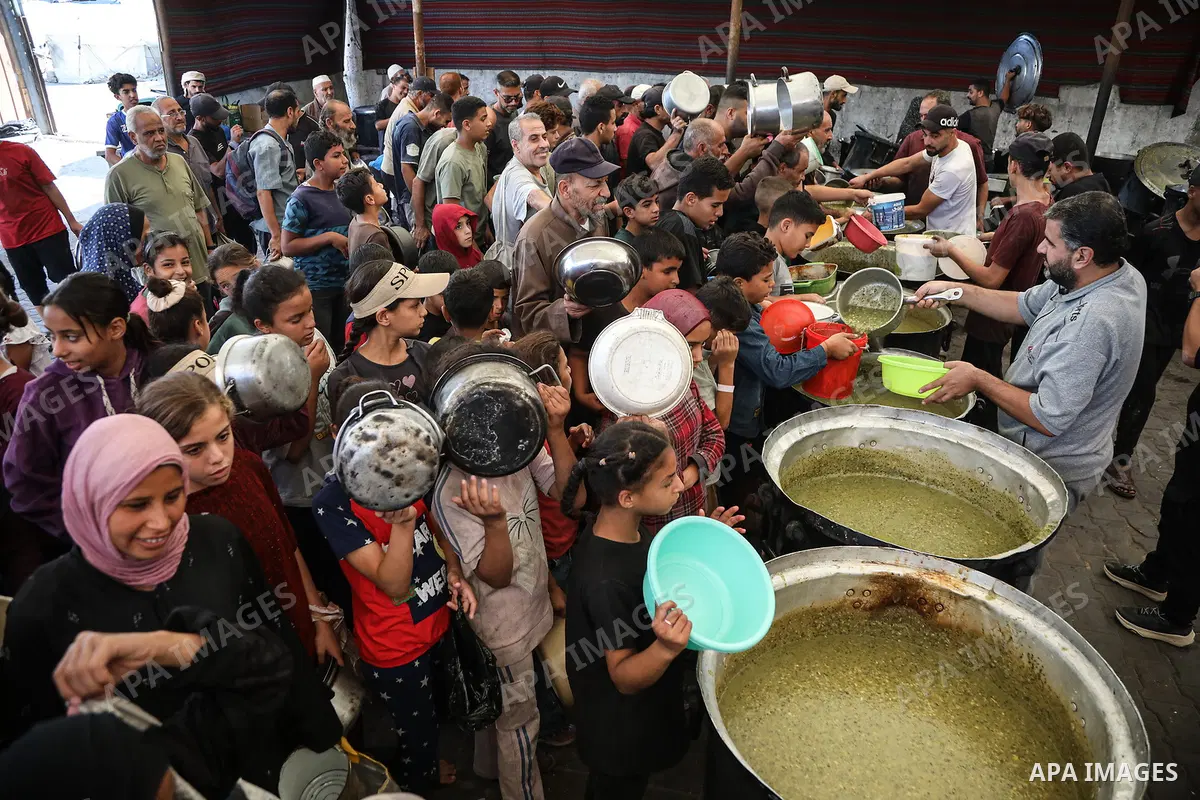
Displaced Palestinians gather for free meals and receive WFP food parcels in the Nuseirat refugee camp in the central Gaza Strip on October 20, 2026, amid worsening food insecurity caused by the war. The World Food Programme announced cuts due to funding shortages, reducing monthly beneficiaries from 1.6 million to 1.1 million and daily hot meals from 250,000 to 150,000, while around 1.4 million people in Gaza face crisis-level or worse acute food insecurity.
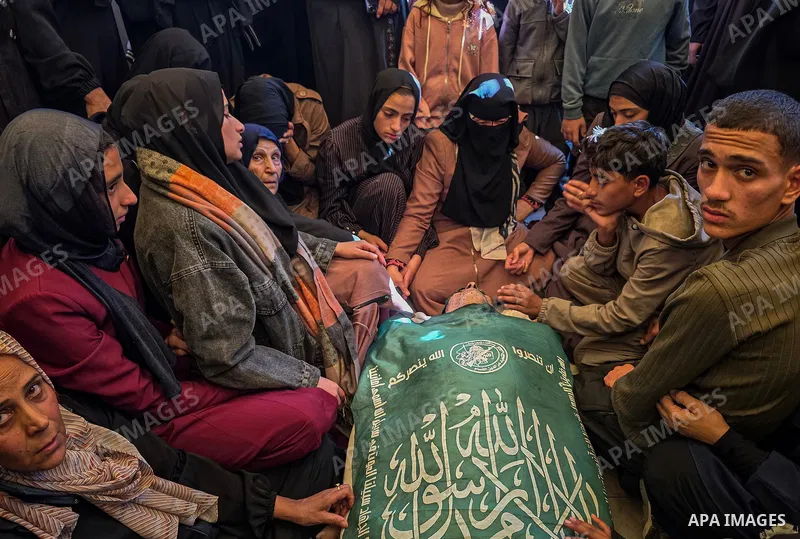
Palestinians mourn beside the bodies of their loved ones at al-Shifa Hospital in Gaza City on October 10, 2026, after they were killed in an Israeli attack. The attack comes as the Israeli army continues its strikes across the Gaza Strip despite a ceasefire.
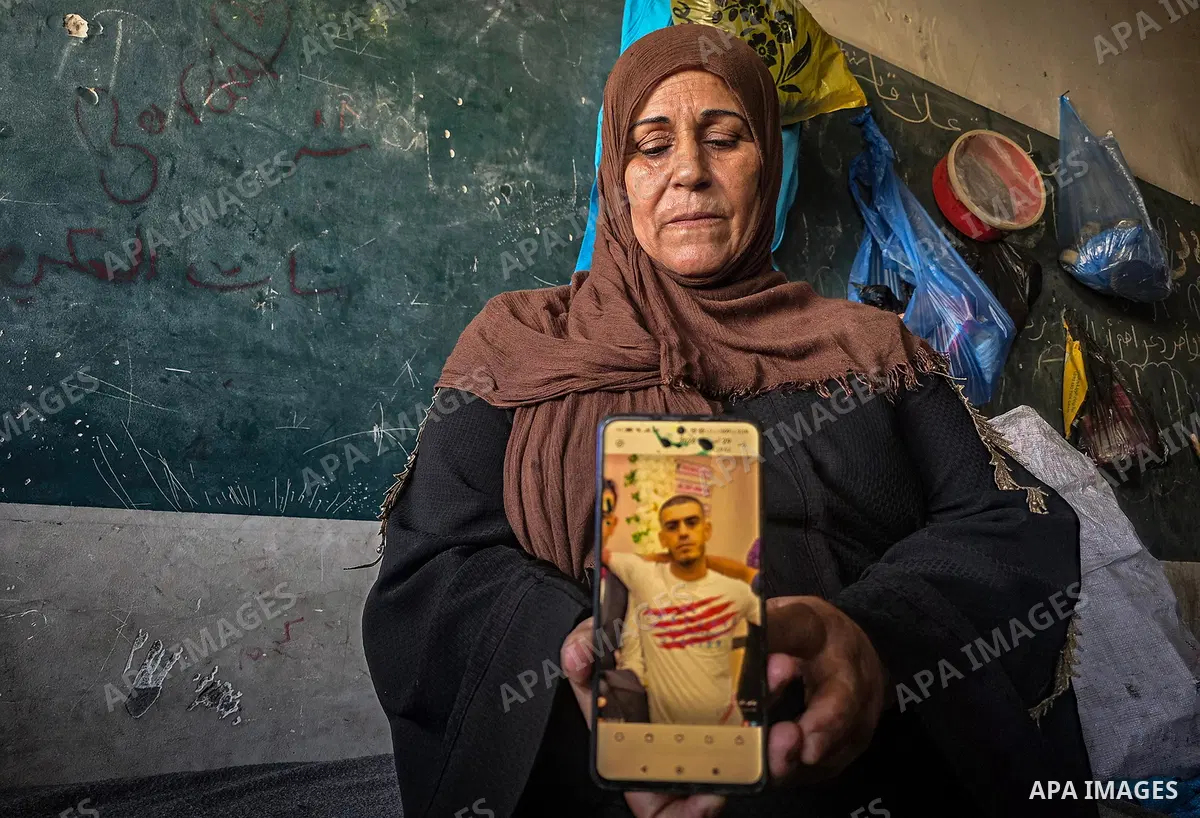
Umm Maher al-Buraim waits in a shelter for displaced people in Khan Younis on October 7, 2026, for news of her son Maher, missing since 2024, after about 1,000 days of searching. Reports, including figures documented by a human rights body, estimate that more than 11,200 people are missing or forcibly disappeared in Gaza, including more than 4,700 women and children.
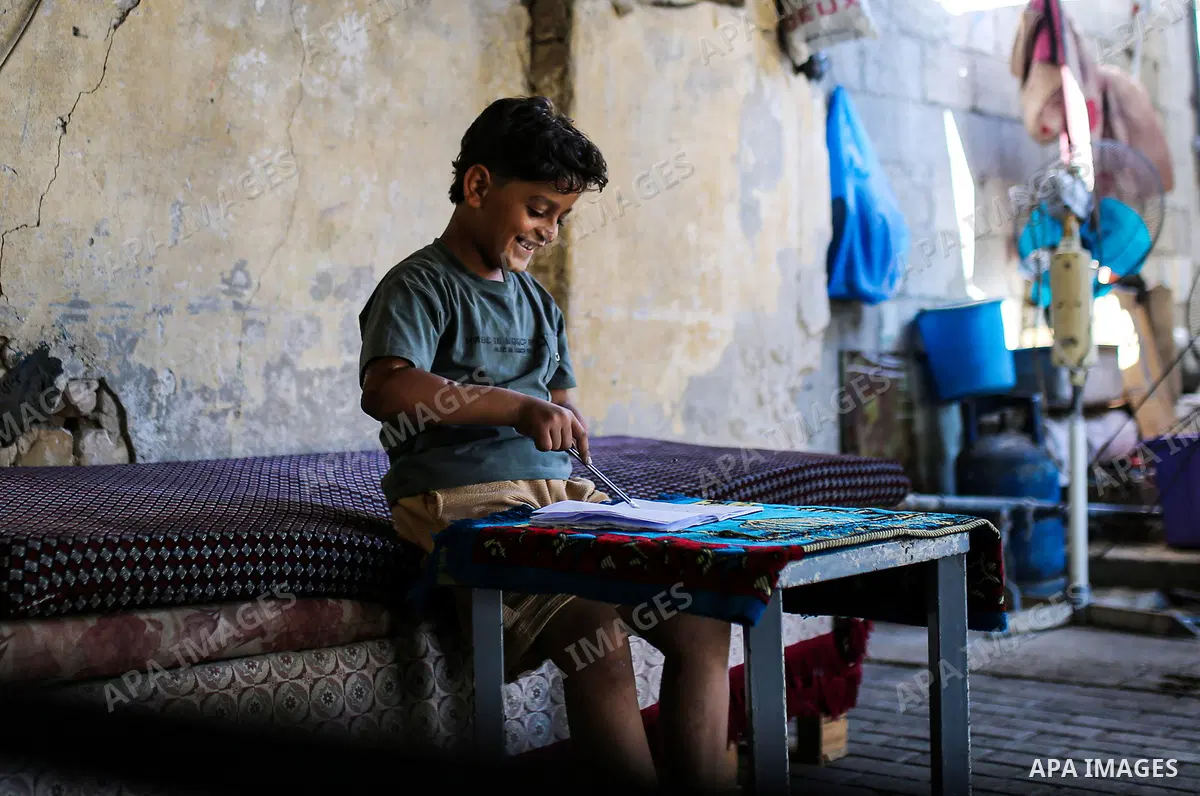
Kanaan Abu Jibba, the only surviving member of his family after an Israeli strike on their Shujaiya home killed his father, mother and sisters, writes in his notebook inside a tent in Gaza City on September 21, 2026. His left hand was amputated, and he now lives with his grandmother and uses a prosthetic limb as children in Gaza begin a new school year under harsh conditions.
Palestinian vendors display secondhand furniture and household items salvaged from destroyed homes at a market in Khan Younis, southern Gaza Strip, on November 15, 2026. Displaced Palestinians and families affected by the war search for affordable household essentials amid worsening economic conditions and loss of income, while vendors seek to earn a living by selling recovered goods.
Mourners carry the body of Samir Abu Younis, commander of the Rafah Brigade of the Ezzedine al-Qassam Brigades, the armed wing of the Hamas movement, during a funeral procession from Nasser Medical Complex to the Martyrs Cemetery in Khan Younis, southern Gaza Strip, on November 15, 2026. Abu Younis was killed in an Israeli airstrike on the Al-Mawasi area.
Mourners attend a mass funeral in Gaza City on November 15, 2026, for 70 Palestinians whose bodies were recovered from beneath the rubble of homes destroyed in Israeli attacks. The remains, recovered during search operations in the northern part of the city nearly three years after the victims were buried under the rubble, were laid to rest at Al-Faluja Cemetery.
Displaced Palestinians build earth barriers of sandbags around their tents in the Bir 19 area, west of Khan Younis in the southern Gaza Strip, on November 15, 2026, in an attempt to protect their families and children from repeated Israeli gunfire. The work follows deaths and injuries in the area, while Nasser Medical Complex continues to receive daily gunshot casualties, reportedly from Israeli army vehicles and cranes positioned nearby.
Mourners bid farewell to the body of Samir Abu Younis, commander of the Rafah Brigade of the Ezzedine al-Qassam Brigades, the armed wing of the Hamas movement, at Nasser Medical Complex in Khan Younis, southern Gaza Strip, on November 15, 2026. Abu Younis was killed in an Israeli airstrike on the Al-Mawasi area.
Palestinian Civil Defense workers attempt to repair out-of-service emergency vehicles in Nuseirat, central Gaza Strip, on November 15, 2026. Severe shortages of fuel, spare parts and maintenance supplies have disrupted emergency services, threatening thousands of Palestinians' access to rescue, firefighting and relief assistance amid continued Israeli attacks, the blockade and the approaching winter season.
Palestinians attend a funeral ceremony and bid farewell to the bodies of 70 Palestinians recovered by Civil Defense teams from various areas of the northern Gaza Strip, in Gaza City, on November 14, 2026. The figure was reported by the Palestinian Civil Defense.
Lebanese President Joseph Aoun meets United Nations Deputy Secretary-General Amina Mohammed at Baabda Palace, east of Beirut, on November 14, 2026. According to a statement by the Lebanese presidency, Aoun stressed that Lebanon's priority remains the continuation and renewal of the mandate of the United Nations Interim Force in Lebanon (UNIFIL), while expressing openness to an alternative mechanism under UN auspices to prevent a security vacuum.
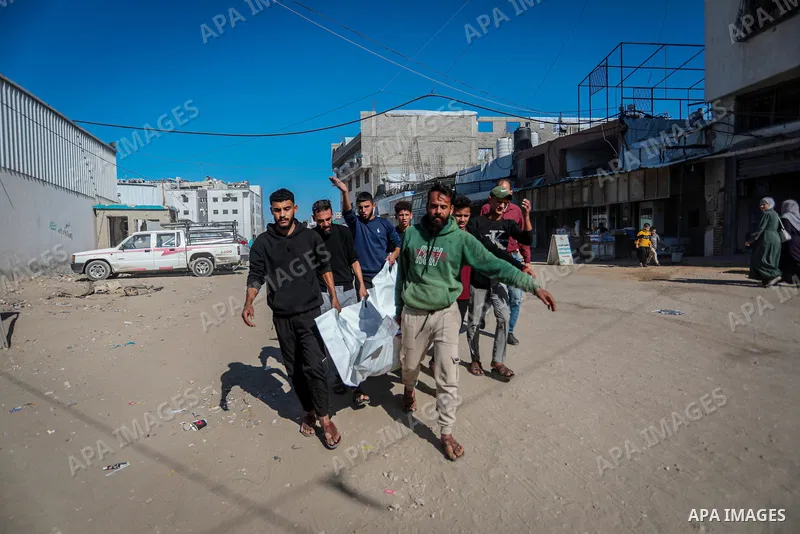
Palestinians carry and bid farewell to the body of a man killed in an Israeli strike that targeted a group of residents near Abu Sharakh roundabout in Jabalia, northern Gaza Strip, according to medical sources. The farewell took place at al-Shifa Hospital in Gaza City on November 14, 2026.
A view shows destruction caused by Israeli strikes on residential homes in Jabalia refugee camp in the northern Gaza Strip on November 14, 2026. Entire residential neighborhoods have been reduced to rubble during the war, while Palestinians who lost their homes continue to live among the ruins in temporary tents lacking basic necessities.
Palestinians inspect damage in the al-Zeitoun neighborhood of Gaza City on November 14, 2026, after Israeli drones dropped explosive boxes on residential homes, according to local residents and field sources. The attack caused widespread destruction and displaced a number of residents.
Wounded Palestinian doctor Mohammed Qdeih receives medical treatment at Nasser Medical Complex in Khan Younis, southern Gaza Strip, on November 14, 2026, after being injured in an Israeli strike targeting the hospital. According to Qdeih and medical sources, the strike also killed his colleague, Dr. Rizq Abu Shaeira, ending their 20-year professional partnership.
Qatar's Emir Sheikh Tamim bin Hamad Al Thani meets Turkish President Recep Tayyip Erdogan during an official ceremony at Dolmabahce Palace in Istanbul, Turkey, on November 13, 2026. The ceremony included the exchange of several agreements and memorandums of understanding between the two countries.
Turkish President Recep Tayyip Erdogan welcomed Qatar's Emir Sheikh Tamim bin Hamad Al Thani during an official ceremony at Dolmabahce Palace in Istanbul, Turkey, on November 13, 2026. The ceremony included the exchange of several agreements and memorandums of understanding between the two countries.