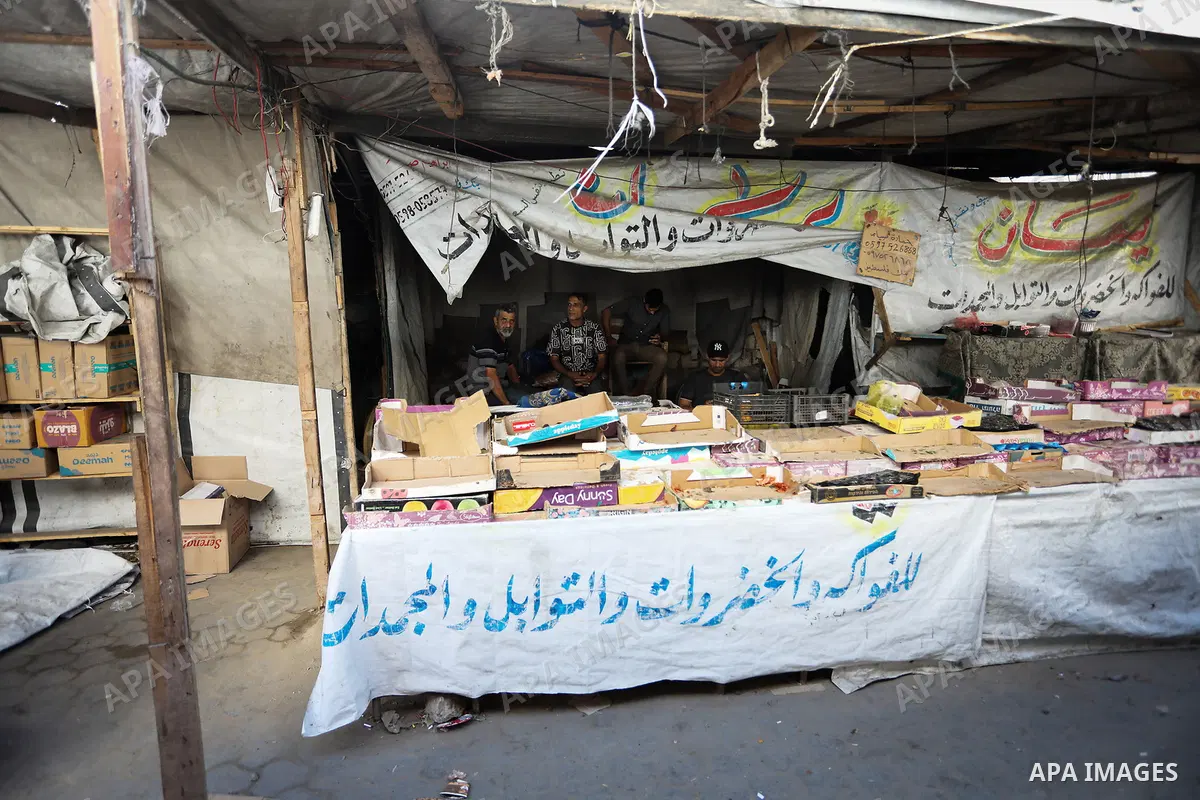
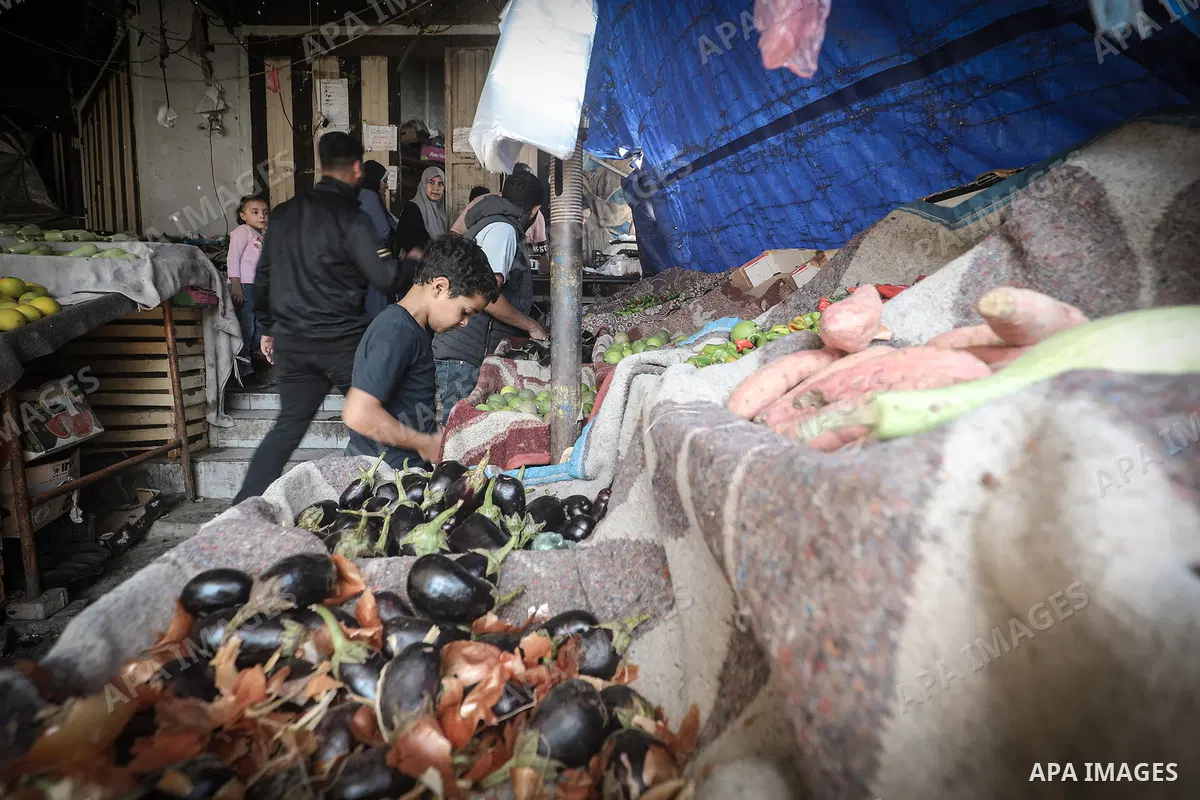
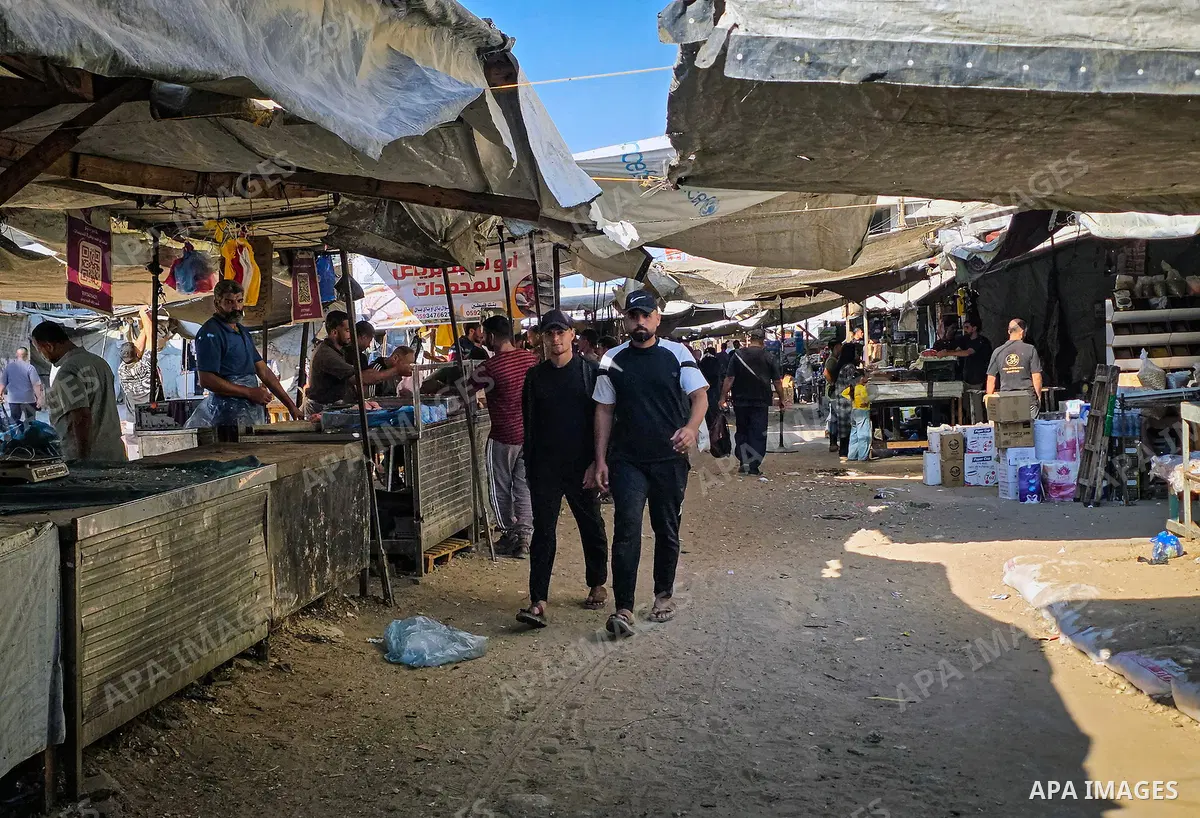
Palestinian vendors display secondhand furniture and household items salvaged from destroyed homes at a market in Khan Younis, southern Gaza Strip, on November 15, 2026. Displaced Palestinians and families affected by the war search for affordable household essentials amid worsening economic conditions and loss of income, while vendors seek to earn a living by selling recovered goods.
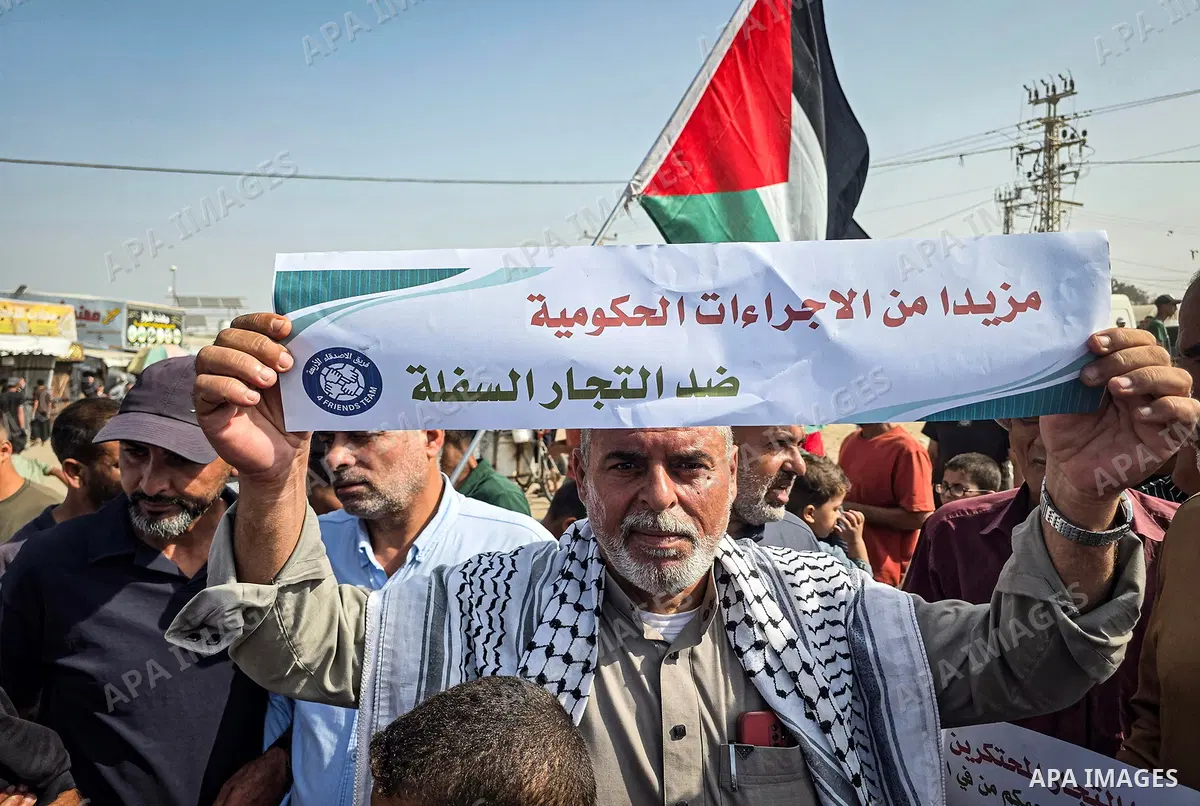
Palestinians took part in a protest against rising prices and alleged monopolistic practices in Khan Younis, southern Gaza Strip, on November 3, 2026. Protesters demanded an investigation and accountability for those involved in exploiting consumers amid deteriorating living and economic conditions in the Gaza Strip.
Vendors and residents stand beside empty fruit and vegetable stalls at al-Sahaba Market in Gaza City, amid severe shortages of fresh produce and record-high prices due to continued border crossing closures and restrictions on commercial and humanitarian supplies. Declining imports and funding shortages that prompted the World Food Programme to cut daily hot meals from 250,000 to 150,000 have raised concerns over a renewed risk of famine in the Gaza Strip.
Palestinian vendors and residents stand beside empty fruit and vegetable stalls at a market in the Nuseirat refugee camp, central Gaza Strip, on October 22, 2026, amid severe shortages of fresh produce and record-high prices due to continued border crossing closures and restrictions on commercial and humanitarian supplies. Declining imports, coupled with funding shortages that have prompted the World Food Programme to cut its daily hot meals from 250,000 to 150,000, have raised concerns over a renewed risk of famine in the Gaza Strip.
Palestinian vendors and residents stand beside empty fruit and vegetable stalls at a market in Khan Younis, southern Gaza Strip, on October 21, 2026, amid severe shortages of fresh produce and record-high prices driven by continued border crossing closures and restrictions on commercial and humanitarian supplies. Declining imports and funding shortages, which have prompted the World Food Programme to cut its daily hot meals from 250,000 to 150,000, have raised concerns over a renewed risk of famine in the Gaza Strip.
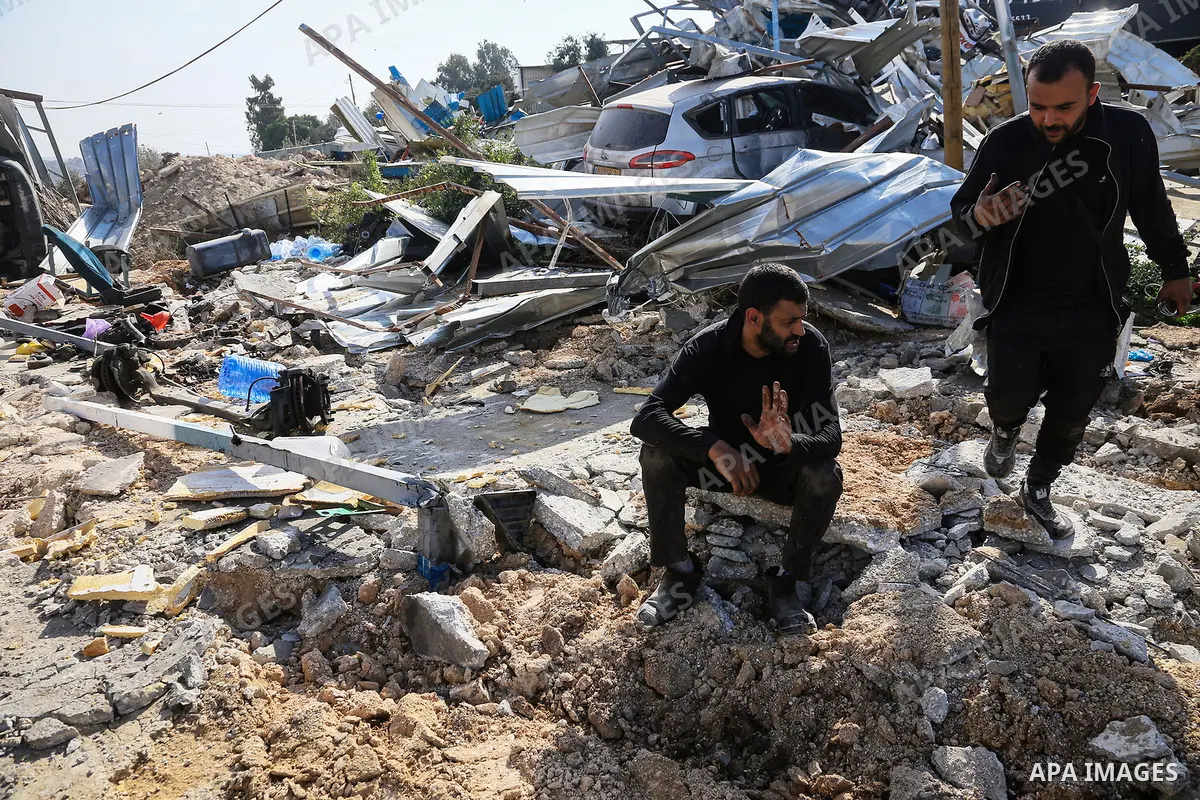
Palestinians inspect the rubble of shops, vehicle repair workshops and a house demolished by Israeli bulldozers in the village of Haris, southwest of Nablus, in the West Bank, on October 14, 2026. Photo by Mohammed Nasser\ apaimages
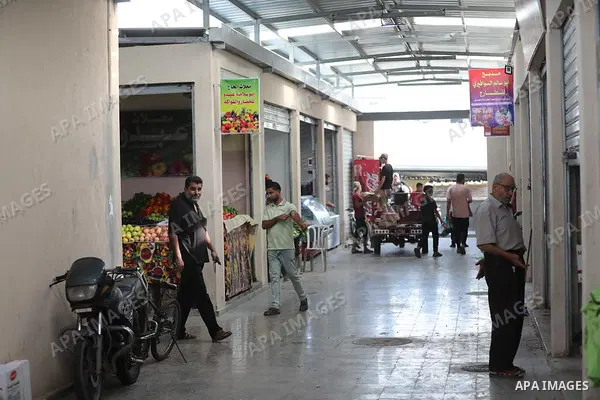
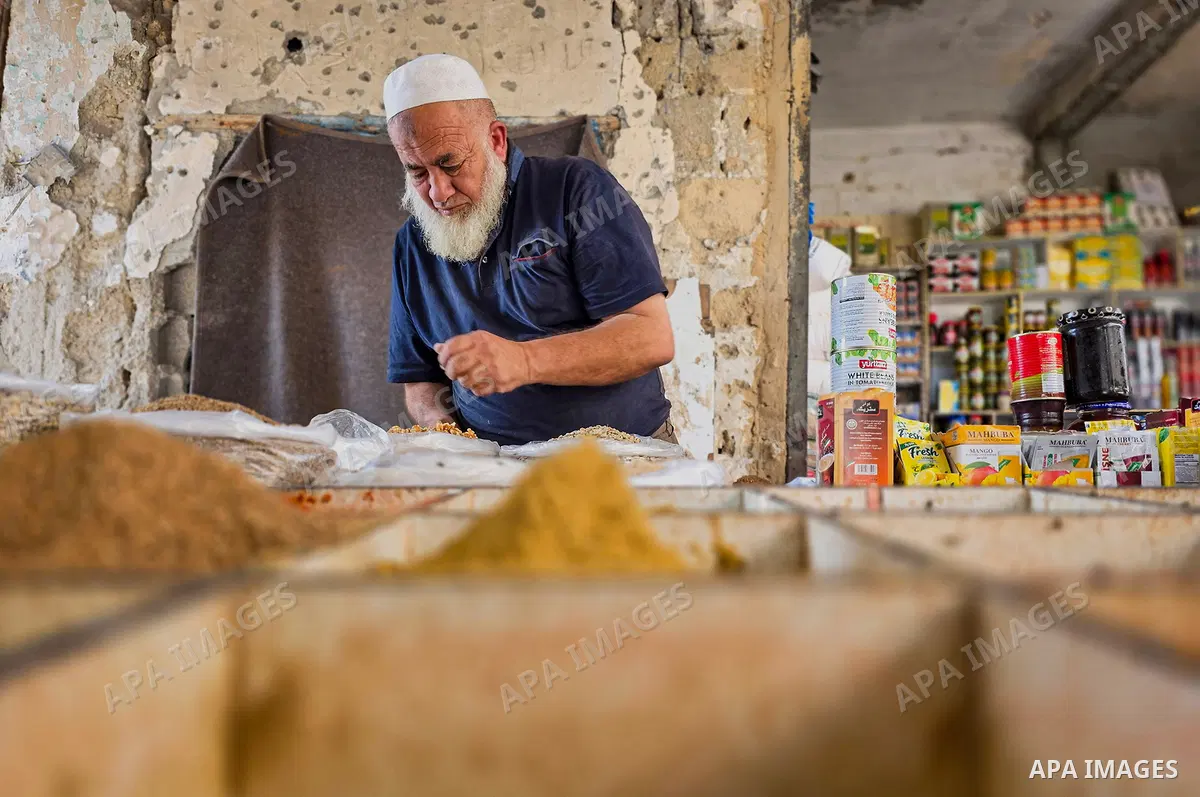
Palestinian vendors resume work at the historic grain market in Khan Younis, in the southern Gaza Strip, on October 14, 2026, where families have passed down the grain trade for around 120 years. Traders are seeking to revive the market and preserve its historic legacy amid security concerns, weak commercial activity and economic challenges that continue to hinder the recovery of markets across the Gaza Strip amid the effects of the war. Photo by Tariq Mohammad\ APA Images
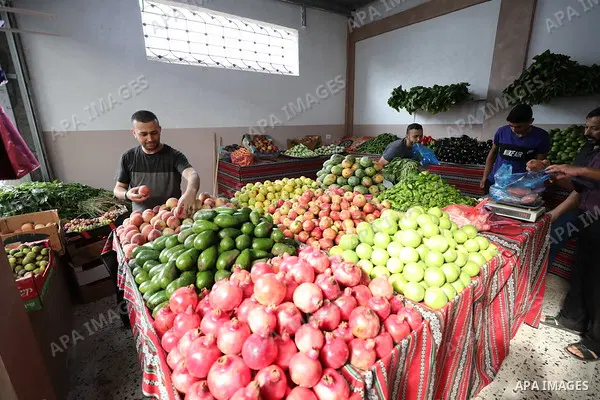
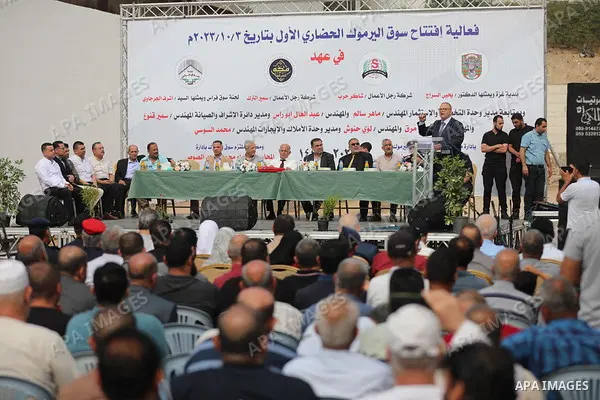
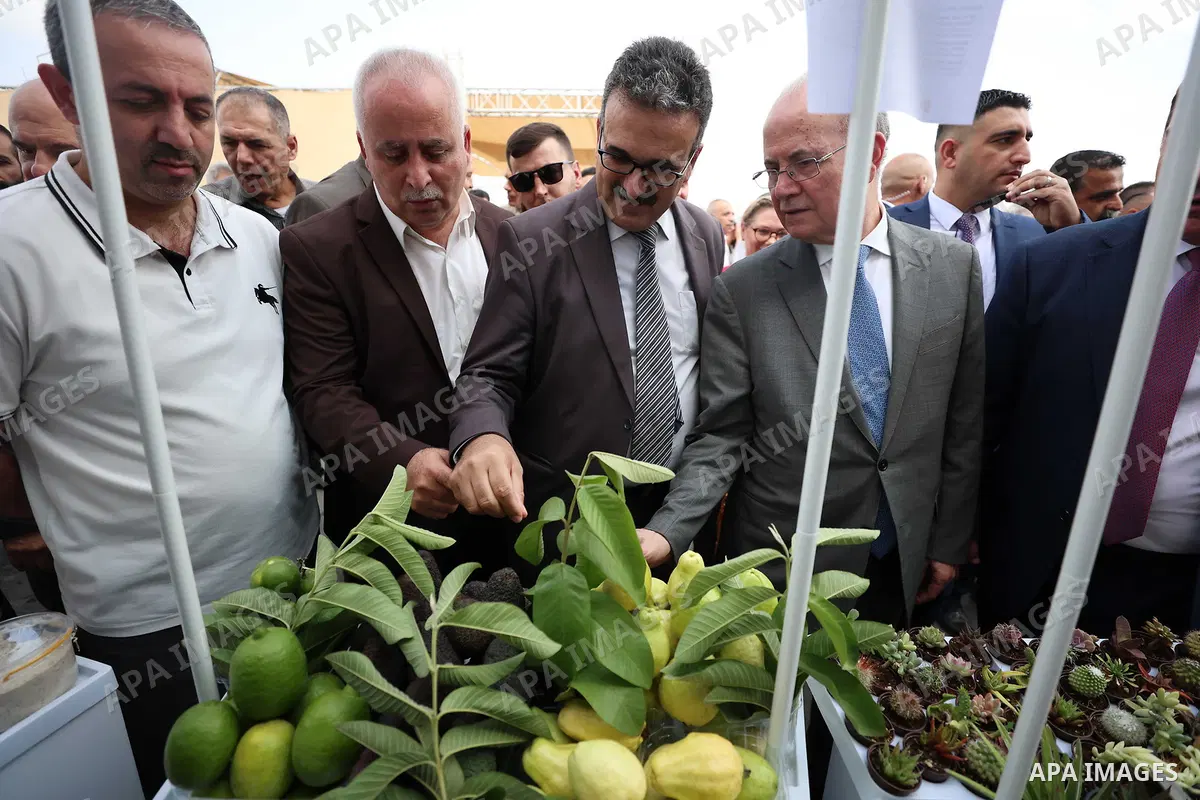
Palestinian Prime Minister Mohammad Mustafa inaugurates the central wholesale market for vegetables and fruits in Tulkarm, in the West Bank, on October 12, 2026. The project aims to develop central markets, organize the marketing of agricultural products and strengthen economic opportunities for farmers and producers. Photo by Prime Minister Office \ apaimages