
No disponible

Colección
Worldwide
feb. 2020 – nov. 2026
- 17,993 fotografías

Palestinian students attend an animal taxidermy course in Gaza city on July 2023. The course is the first of its kind in the Gaza Strip, to teach the basics of animal mummification, how to deal with pets and how to take care of them. Taxidermy is the art of preserving an animal's body via mounting (over an armature) or stuffing, for the purpose of display or study. Animals are often, but not always, portrayed in a lifelike state. The word taxidermy describes the process of preserving the animal, but the word is also used to describe the end product, which are called taxidermy mounts or referred to simply as "taxidermy". Photo by Omar Ashtawy\ apaimages

Palestinian students attend an animal taxidermy course in Gaza city on July 2023. The course is the first of its kind in the Gaza Strip, to teach the basics of animal mummification, how to deal with pets and how to take care of them. Taxidermy is the art of preserving an animal's body via mounting (over an armature) or stuffing, for the purpose of display or study. Animals are often, but not always, portrayed in a lifelike state. The word taxidermy describes the process of preserving the animal, but the word is also used to describe the end product, which are called taxidermy mounts or referred to simply as "taxidermy". Photo by Omar Ashtawy\ apaimages

Palestinian students attend an animal taxidermy course in Gaza city on July 2023. The course is the first of its kind in the Gaza Strip, to teach the basics of animal mummification, how to deal with pets and how to take care of them. Taxidermy is the art of preserving an animal's body via mounting (over an armature) or stuffing, for the purpose of display or study. Animals are often, but not always, portrayed in a lifelike state. The word taxidermy describes the process of preserving the animal, but the word is also used to describe the end product, which are called taxidermy mounts or referred to simply as "taxidermy". Photo by Omar Ashtawy\ apaimages

Palestinian students attend an animal taxidermy course in Gaza city on July 2023. The course is the first of its kind in the Gaza Strip, to teach the basics of animal mummification, how to deal with pets and how to take care of them. Taxidermy is the art of preserving an animal's body via mounting (over an armature) or stuffing, for the purpose of display or study. Animals are often, but not always, portrayed in a lifelike state. The word taxidermy describes the process of preserving the animal, but the word is also used to describe the end product, which are called taxidermy mounts or referred to simply as "taxidermy". Photo by Omar Ashtawy\ apaimages
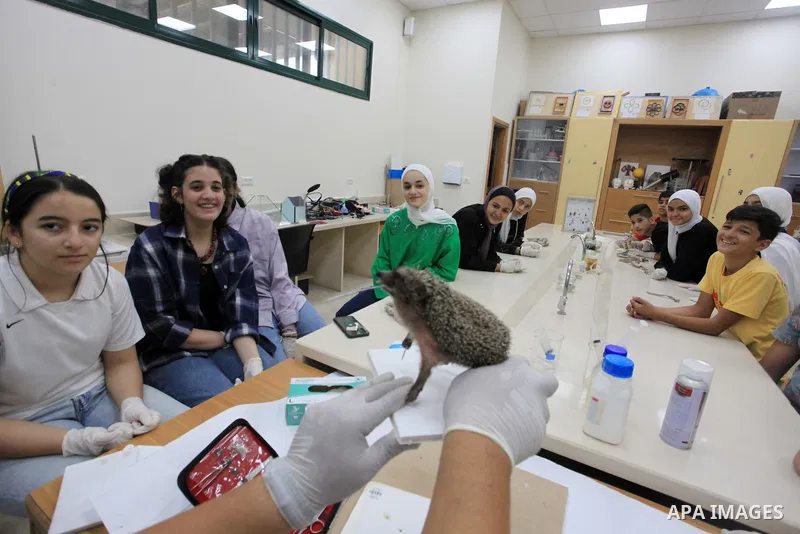
Palestinian students attend an animal taxidermy course in Gaza city on July 2023. The course is the first of its kind in the Gaza Strip, to teach the basics of animal mummification, how to deal with pets and how to take care of them. Taxidermy is the art of preserving an animal's body via mounting (over an armature) or stuffing, for the purpose of display or study. Animals are often, but not always, portrayed in a lifelike state. The word taxidermy describes the process of preserving the animal, but the word is also used to describe the end product, which are called taxidermy mounts or referred to simply as "taxidermy". Photo by Omar Ashtawy\ apaimages

Palestinian students attend an animal taxidermy course in Gaza city on July 2023. The course is the first of its kind in the Gaza Strip, to teach the basics of animal mummification, how to deal with pets and how to take care of them. Taxidermy is the art of preserving an animal's body via mounting (over an armature) or stuffing, for the purpose of display or study. Animals are often, but not always, portrayed in a lifelike state. The word taxidermy describes the process of preserving the animal, but the word is also used to describe the end product, which are called taxidermy mounts or referred to simply as "taxidermy". Photo by Omar Ashtawy\ apaimages

Palestinian students attend an animal taxidermy course in Gaza city on July 2023. The course is the first of its kind in the Gaza Strip, to teach the basics of animal mummification, how to deal with pets and how to take care of them. Taxidermy is the art of preserving an animal's body via mounting (over an armature) or stuffing, for the purpose of display or study. Animals are often, but not always, portrayed in a lifelike state. The word taxidermy describes the process of preserving the animal, but the word is also used to describe the end product, which are called taxidermy mounts or referred to simply as "taxidermy". Photo by Omar Ashtawy\ apaimages
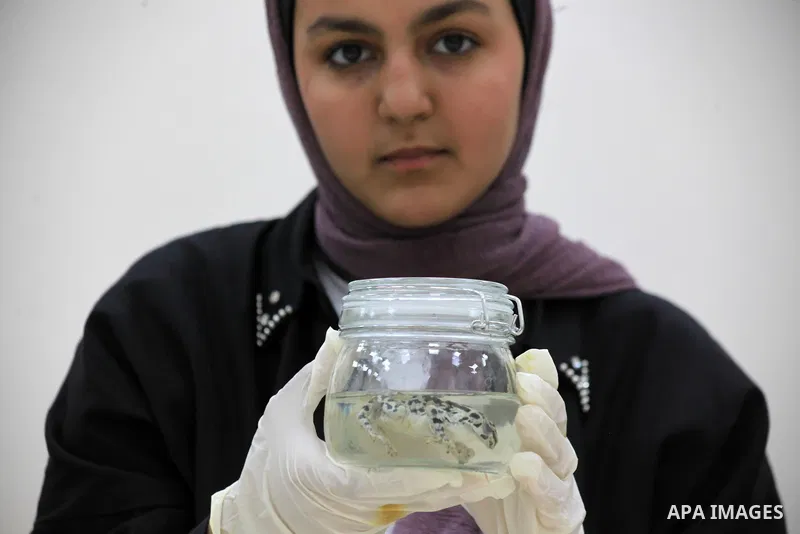
Palestinian students attend an animal taxidermy course in Gaza city on July 2023. The course is the first of its kind in the Gaza Strip, to teach the basics of animal mummification, how to deal with pets and how to take care of them. Taxidermy is the art of preserving an animal's body via mounting (over an armature) or stuffing, for the purpose of display or study. Animals are often, but not always, portrayed in a lifelike state. The word taxidermy describes the process of preserving the animal, but the word is also used to describe the end product, which are called taxidermy mounts or referred to simply as "taxidermy". Photo by Omar Ashtawy\ apaimages

Palestinian students attend an animal taxidermy course in Gaza city on July 2023. The course is the first of its kind in the Gaza Strip, to teach the basics of animal mummification, how to deal with pets and how to take care of them. Taxidermy is the art of preserving an animal's body via mounting (over an armature) or stuffing, for the purpose of display or study. Animals are often, but not always, portrayed in a lifelike state. The word taxidermy describes the process of preserving the animal, but the word is also used to describe the end product, which are called taxidermy mounts or referred to simply as "taxidermy". Photo by Omar Ashtawy\ apaimages
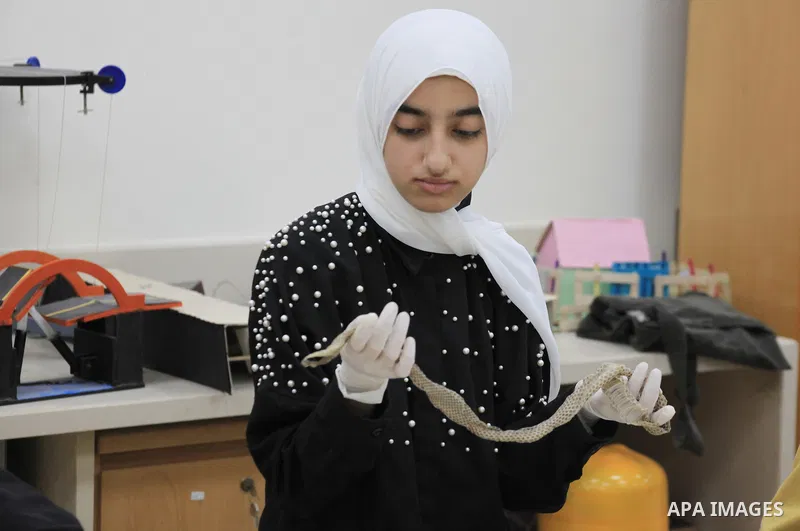
Palestinian students attend an animal taxidermy course in Gaza city on July 2023. The course is the first of its kind in the Gaza Strip, to teach the basics of animal mummification, how to deal with pets and how to take care of them. Taxidermy is the art of preserving an animal's body via mounting (over an armature) or stuffing, for the purpose of display or study. Animals are often, but not always, portrayed in a lifelike state. The word taxidermy describes the process of preserving the animal, but the word is also used to describe the end product, which are called taxidermy mounts or referred to simply as "taxidermy". Photo by Omar Ashtawy\ apaimages

Palestinian students attend an animal taxidermy course in Gaza city on July 2023. The course is the first of its kind in the Gaza Strip, to teach the basics of animal mummification, how to deal with pets and how to take care of them. Taxidermy is the art of preserving an animal's body via mounting (over an armature) or stuffing, for the purpose of display or study. Animals are often, but not always, portrayed in a lifelike state. The word taxidermy describes the process of preserving the animal, but the word is also used to describe the end product, which are called taxidermy mounts or referred to simply as "taxidermy". Photo by Omar Ashtawy\ apaimages

Palestinian students attend an animal taxidermy course in Gaza city on July 2023. The course is the first of its kind in the Gaza Strip, to teach the basics of animal mummification, how to deal with pets and how to take care of them. Taxidermy is the art of preserving an animal's body via mounting (over an armature) or stuffing, for the purpose of display or study. Animals are often, but not always, portrayed in a lifelike state. The word taxidermy describes the process of preserving the animal, but the word is also used to describe the end product, which are called taxidermy mounts or referred to simply as "taxidermy". Photo by Omar Ashtawy\ apaimages

Palestinian students attend an animal taxidermy course in Gaza city on July 2023. The course is the first of its kind in the Gaza Strip, to teach the basics of animal mummification, how to deal with pets and how to take care of them. Taxidermy is the art of preserving an animal's body via mounting (over an armature) or stuffing, for the purpose of display or study. Animals are often, but not always, portrayed in a lifelike state. The word taxidermy describes the process of preserving the animal, but the word is also used to describe the end product, which are called taxidermy mounts or referred to simply as "taxidermy". Photo by Omar Ashtawy\ apaimages

Palestinian students attend an animal taxidermy course in Gaza city on July 2023. The course is the first of its kind in the Gaza Strip, to teach the basics of animal mummification, how to deal with pets and how to take care of them. Taxidermy is the art of preserving an animal's body via mounting (over an armature) or stuffing, for the purpose of display or study. Animals are often, but not always, portrayed in a lifelike state. The word taxidermy describes the process of preserving the animal, but the word is also used to describe the end product, which are called taxidermy mounts or referred to simply as "taxidermy". Photo by Omar Ashtawy\ apaimages

Palestinian students attend an animal taxidermy course in Gaza city on July 2023. The course is the first of its kind in the Gaza Strip, to teach the basics of animal mummification, how to deal with pets and how to take care of them. Taxidermy is the art of preserving an animal's body via mounting (over an armature) or stuffing, for the purpose of display or study. Animals are often, but not always, portrayed in a lifelike state. The word taxidermy describes the process of preserving the animal, but the word is also used to describe the end product, which are called taxidermy mounts or referred to simply as "taxidermy". Photo by Omar Ashtawy\ apaimages
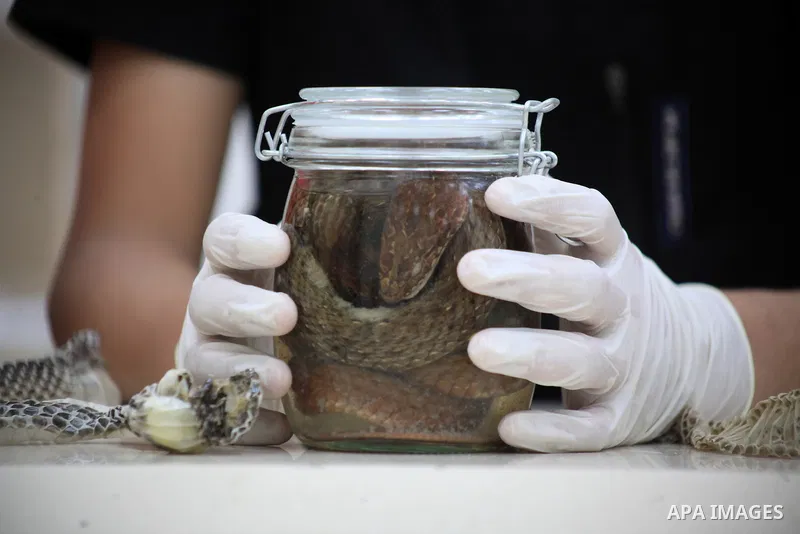
Palestinian students attend an animal taxidermy course in Gaza city on July 2023. The course is the first of its kind in the Gaza Strip, to teach the basics of animal mummification, how to deal with pets and how to take care of them. Taxidermy is the art of preserving an animal's body via mounting (over an armature) or stuffing, for the purpose of display or study. Animals are often, but not always, portrayed in a lifelike state. The word taxidermy describes the process of preserving the animal, but the word is also used to describe the end product, which are called taxidermy mounts or referred to simply as "taxidermy". Photo by Omar Ashtawy\ apaimages

Palestinian students attend an animal taxidermy course in Gaza city on July 2023. The course is the first of its kind in the Gaza Strip, to teach the basics of animal mummification, how to deal with pets and how to take care of them. Taxidermy is the art of preserving an animal's body via mounting (over an armature) or stuffing, for the purpose of display or study. Animals are often, but not always, portrayed in a lifelike state. The word taxidermy describes the process of preserving the animal, but the word is also used to describe the end product, which are called taxidermy mounts or referred to simply as "taxidermy". Photo by Omar Ashtawy\ apaimages

Palestinian students attend an animal taxidermy course in Gaza city on July 2023. The course is the first of its kind in the Gaza Strip, to teach the basics of animal mummification, how to deal with pets and how to take care of them. Taxidermy is the art of preserving an animal's body via mounting (over an armature) or stuffing, for the purpose of display or study. Animals are often, but not always, portrayed in a lifelike state. The word taxidermy describes the process of preserving the animal, but the word is also used to describe the end product, which are called taxidermy mounts or referred to simply as "taxidermy". Photo by Omar Ashtawy\ apaimages

Palestinian students attend an animal taxidermy course in Gaza city on July 2023. The course is the first of its kind in the Gaza Strip, to teach the basics of animal mummification, how to deal with pets and how to take care of them. Taxidermy is the art of preserving an animal's body via mounting (over an armature) or stuffing, for the purpose of display or study. Animals are often, but not always, portrayed in a lifelike state. The word taxidermy describes the process of preserving the animal, but the word is also used to describe the end product, which are called taxidermy mounts or referred to simply as "taxidermy". Photo by Omar Ashtawy\ apaimages

Palestinian students attend an animal taxidermy course in Gaza city on July 2023. The course is the first of its kind in the Gaza Strip, to teach the basics of animal mummification, how to deal with pets and how to take care of them. Taxidermy is the art of preserving an animal's body via mounting (over an armature) or stuffing, for the purpose of display or study. Animals are often, but not always, portrayed in a lifelike state. The word taxidermy describes the process of preserving the animal, but the word is also used to describe the end product, which are called taxidermy mounts or referred to simply as "taxidermy". Photo by Omar Ashtawy\ apaimages

Palestinian students attend an animal taxidermy course in Gaza city on July 2023. The course is the first of its kind in the Gaza Strip, to teach the basics of animal mummification, how to deal with pets and how to take care of them. Taxidermy is the art of preserving an animal's body via mounting (over an armature) or stuffing, for the purpose of display or study. Animals are often, but not always, portrayed in a lifelike state. The word taxidermy describes the process of preserving the animal, but the word is also used to describe the end product, which are called taxidermy mounts or referred to simply as "taxidermy". Photo by Omar Ashtawy\ apaimages

Palestinian students attend an animal taxidermy course in Gaza city on July 2023. The course is the first of its kind in the Gaza Strip, to teach the basics of animal mummification, how to deal with pets and how to take care of them. Taxidermy is the art of preserving an animal's body via mounting (over an armature) or stuffing, for the purpose of display or study. Animals are often, but not always, portrayed in a lifelike state. The word taxidermy describes the process of preserving the animal, but the word is also used to describe the end product, which are called taxidermy mounts or referred to simply as "taxidermy". Photo by Omar Ashtawy\ apaimages

Palestinian students attend an animal taxidermy course in Gaza city on July 2023. The course is the first of its kind in the Gaza Strip, to teach the basics of animal mummification, how to deal with pets and how to take care of them. Taxidermy is the art of preserving an animal's body via mounting (over an armature) or stuffing, for the purpose of display or study. Animals are often, but not always, portrayed in a lifelike state. The word taxidermy describes the process of preserving the animal, but the word is also used to describe the end product, which are called taxidermy mounts or referred to simply as "taxidermy". Photo by Omar Ashtawy\ apaimages

Palestinian students attend an animal taxidermy course in Gaza city on July 2023. The course is the first of its kind in the Gaza Strip, to teach the basics of animal mummification, how to deal with pets and how to take care of them. Taxidermy is the art of preserving an animal's body via mounting (over an armature) or stuffing, for the purpose of display or study. Animals are often, but not always, portrayed in a lifelike state. The word taxidermy describes the process of preserving the animal, but the word is also used to describe the end product, which are called taxidermy mounts or referred to simply as "taxidermy". Photo by Omar Ashtawy\ apaimages

Palestinian students attend an animal taxidermy course in Gaza city on July 2023. The course is the first of its kind in the Gaza Strip, to teach the basics of animal mummification, how to deal with pets and how to take care of them. Taxidermy is the art of preserving an animal's body via mounting (over an armature) or stuffing, for the purpose of display or study. Animals are often, but not always, portrayed in a lifelike state. The word taxidermy describes the process of preserving the animal, but the word is also used to describe the end product, which are called taxidermy mounts or referred to simply as "taxidermy". Photo by Omar Ashtawy\ apaimages

Palestinian students attend an animal taxidermy course in Gaza city on July 2023. The course is the first of its kind in the Gaza Strip, to teach the basics of animal mummification, how to deal with pets and how to take care of them. Taxidermy is the art of preserving an animal's body via mounting (over an armature) or stuffing, for the purpose of display or study. Animals are often, but not always, portrayed in a lifelike state. The word taxidermy describes the process of preserving the animal, but the word is also used to describe the end product, which are called taxidermy mounts or referred to simply as "taxidermy". Photo by Omar Ashtawy\ apaimages

Palestinian students attend an animal taxidermy course in Gaza city on July 2023. The course is the first of its kind in the Gaza Strip, to teach the basics of animal mummification, how to deal with pets and how to take care of them. Taxidermy is the art of preserving an animal's body via mounting (over an armature) or stuffing, for the purpose of display or study. Animals are often, but not always, portrayed in a lifelike state. The word taxidermy describes the process of preserving the animal, but the word is also used to describe the end product, which are called taxidermy mounts or referred to simply as "taxidermy". Photo by Omar Ashtawy\ apaimages
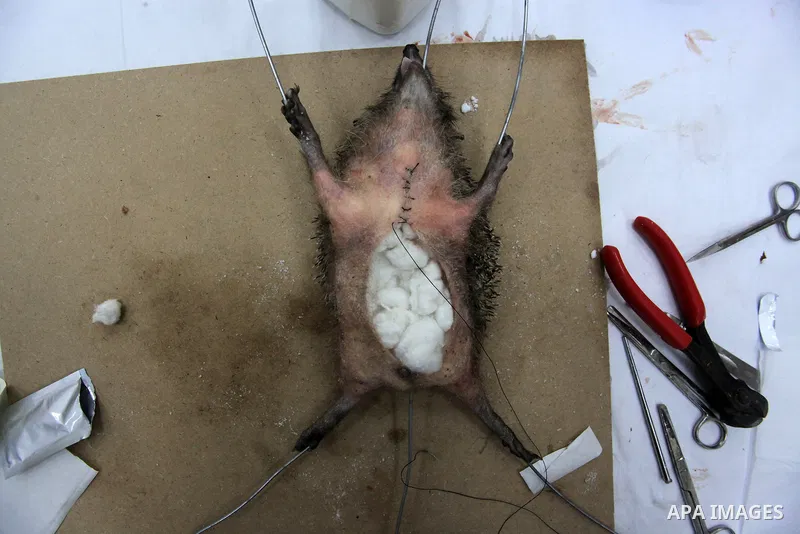
Palestinian students attend an animal taxidermy course in Gaza city on July 2023. The course is the first of its kind in the Gaza Strip, to teach the basics of animal mummification, how to deal with pets and how to take care of them. Taxidermy is the art of preserving an animal's body via mounting (over an armature) or stuffing, for the purpose of display or study. Animals are often, but not always, portrayed in a lifelike state. The word taxidermy describes the process of preserving the animal, but the word is also used to describe the end product, which are called taxidermy mounts or referred to simply as "taxidermy". Photo by Omar Ashtawy\ apaimages

Palestinian students attend an animal taxidermy course in Gaza city on July 2023. The course is the first of its kind in the Gaza Strip, to teach the basics of animal mummification, how to deal with pets and how to take care of them. Taxidermy is the art of preserving an animal's body via mounting (over an armature) or stuffing, for the purpose of display or study. Animals are often, but not always, portrayed in a lifelike state. The word taxidermy describes the process of preserving the animal, but the word is also used to describe the end product, which are called taxidermy mounts or referred to simply as "taxidermy". Photo by Omar Ashtawy\ apaimages

Palestinian students attend an animal taxidermy course in Gaza city on July 2023. The course is the first of its kind in the Gaza Strip, to teach the basics of animal mummification, how to deal with pets and how to take care of them. Taxidermy is the art of preserving an animal's body via mounting (over an armature) or stuffing, for the purpose of display or study. Animals are often, but not always, portrayed in a lifelike state. The word taxidermy describes the process of preserving the animal, but the word is also used to describe the end product, which are called taxidermy mounts or referred to simply as "taxidermy". Photo by Omar Ashtawy\ apaimages

Palestinian farmers collect grapes during harvest season in Gaza city, on July 17, 2023. Figs, grapes and watermelons are among the most popular fruits during Gaza's hot summer. Palestinian farmer told that the output of the harvest of Figs this year is lower than forecast compared with the production of last year, which was affected by the change in weather conditions. Photo by Omar Ashtawy\ apaimages
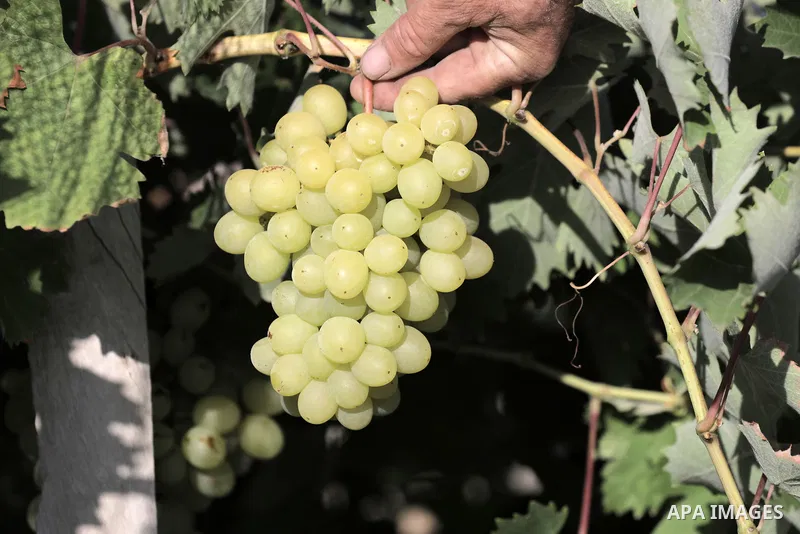
Palestinian farmers collect grapes during harvest season in Gaza city, on July 17, 2023. Figs, grapes and watermelons are among the most popular fruits during Gaza's hot summer. Palestinian farmer told that the output of the harvest of Figs this year is lower than forecast compared with the production of last year, which was affected by the change in weather conditions. Photo by Omar Ashtawy\ apaimages
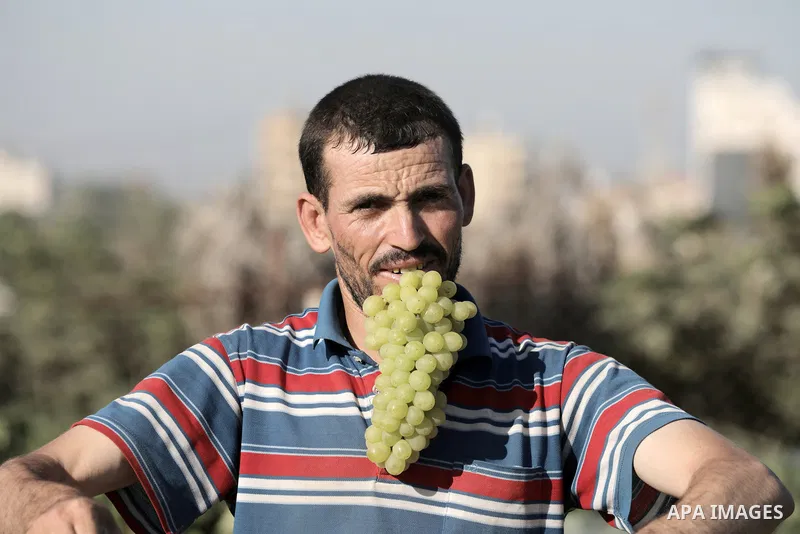
Palestinian farmers collect grapes during harvest season in Gaza city, on July 17, 2023. Figs, grapes and watermelons are among the most popular fruits during Gaza's hot summer. Palestinian farmer told that the output of the harvest of Figs this year is lower than forecast compared with the production of last year, which was affected by the change in weather conditions. Photo by Omar Ashtawy\ apaimages

Palestinian farmers collect grapes during harvest season in Gaza city, on July 17, 2023. Figs, grapes and watermelons are among the most popular fruits during Gaza's hot summer. Palestinian farmer told that the output of the harvest of Figs this year is lower than forecast compared with the production of last year, which was affected by the change in weather conditions. Photo by Omar Ashtawy\ apaimages

Palestinian farmers collect grapes during harvest season in Gaza city, on July 17, 2023. Figs, grapes and watermelons are among the most popular fruits during Gaza's hot summer. Palestinian farmer told that the output of the harvest of Figs this year is lower than forecast compared with the production of last year, which was affected by the change in weather conditions. Photo by Omar Ashtawy\ apaimages

Palestinian farmers collect grapes during harvest season in Gaza city, on July 17, 2023. Figs, grapes and watermelons are among the most popular fruits during Gaza's hot summer. Palestinian farmer told that the output of the harvest of Figs this year is lower than forecast compared with the production of last year, which was affected by the change in weather conditions. Photo by Omar Ashtawy\ apaimages

Palestinian farmers collect grapes during harvest season in Gaza city, on July 17, 2023. Figs, grapes and watermelons are among the most popular fruits during Gaza's hot summer. Palestinian farmer told that the output of the harvest of Figs this year is lower than forecast compared with the production of last year, which was affected by the change in weather conditions. Photo by Omar Ashtawy\ apaimages

Palestinian farmers collect grapes during harvest season in Gaza city, on July 17, 2023. Figs, grapes and watermelons are among the most popular fruits during Gaza's hot summer. Palestinian farmer told that the output of the harvest of Figs this year is lower than forecast compared with the production of last year, which was affected by the change in weather conditions. Photo by Omar Ashtawy\ apaimages

Palestinian farmers collect grapes during harvest season in Gaza city, on July 17, 2023. Figs, grapes and watermelons are among the most popular fruits during Gaza's hot summer. Palestinian farmer told that the output of the harvest of Figs this year is lower than forecast compared with the production of last year, which was affected by the change in weather conditions. Photo by Omar Ashtawy\ apaimages

Palestinian farmers collect grapes during harvest season in Gaza city, on July 17, 2023. Figs, grapes and watermelons are among the most popular fruits during Gaza's hot summer. Palestinian farmer told that the output of the harvest of Figs this year is lower than forecast compared with the production of last year, which was affected by the change in weather conditions. Photo by Omar Ashtawy\ apaimages

Palestinian farmers collect grapes during harvest season in Gaza city, on July 17, 2023. Figs, grapes and watermelons are among the most popular fruits during Gaza's hot summer. Palestinian farmer told that the output of the harvest of Figs this year is lower than forecast compared with the production of last year, which was affected by the change in weather conditions. Photo by Omar Ashtawy\ apaimages

Palestinian farmers collect grapes during harvest season in Gaza city, on July 17, 2023. Figs, grapes and watermelons are among the most popular fruits during Gaza's hot summer. Palestinian farmer told that the output of the harvest of Figs this year is lower than forecast compared with the production of last year, which was affected by the change in weather conditions. Photo by Omar Ashtawy\ apaimages

Palestinian farmers collect grapes during harvest season in Gaza city, on July 17, 2023. Figs, grapes and watermelons are among the most popular fruits during Gaza's hot summer. Palestinian farmer told that the output of the harvest of Figs this year is lower than forecast compared with the production of last year, which was affected by the change in weather conditions. Photo by Omar Ashtawy\ apaimages

Palestinian farmers collect grapes during harvest season in Gaza city, on July 17, 2023. Figs, grapes and watermelons are among the most popular fruits during Gaza's hot summer. Palestinian farmer told that the output of the harvest of Figs this year is lower than forecast compared with the production of last year, which was affected by the change in weather conditions. Photo by Omar Ashtawy\ apaimages

Palestinian farmers collect grapes during harvest season in Gaza city, on July 17, 2023. Figs, grapes and watermelons are among the most popular fruits during Gaza's hot summer. Palestinian farmer told that the output of the harvest of Figs this year is lower than forecast compared with the production of last year, which was affected by the change in weather conditions. Photo by Omar Ashtawy\ apaimages

Palestinian farmers collect grapes during harvest season in Gaza city, on July 17, 2023. Figs, grapes and watermelons are among the most popular fruits during Gaza's hot summer. Palestinian farmer told that the output of the harvest of Figs this year is lower than forecast compared with the production of last year, which was affected by the change in weather conditions. Photo by Omar Ashtawy\ apaimages

Palestinian farmers collect grapes during harvest season in Gaza city, on July 17, 2023. Figs, grapes and watermelons are among the most popular fruits during Gaza's hot summer. Palestinian farmer told that the output of the harvest of Figs this year is lower than forecast compared with the production of last year, which was affected by the change in weather conditions. Photo by Omar Ashtawy\ apaimages

Palestinian farmers collect grapes during harvest season in Gaza city, on July 17, 2023. Figs, grapes and watermelons are among the most popular fruits during Gaza's hot summer. Palestinian farmer told that the output of the harvest of Figs this year is lower than forecast compared with the production of last year, which was affected by the change in weather conditions. Photo by Omar Ashtawy\ apaimages
Colección
feb. 2020 – nov. 2026

Colección
ene. 2020 – nov. 2026

Colección
9 nov. 2026
Colección
9 nov. 2026
Vista previa con marca de agua. El archivo con licencia se entrega en su calidad completa y sin marca de agua.
Contacta con APA para consultar las calidades y los precios disponibles.
Solicita derechos comerciales, exclusivos, documentales u otros derechos personalizados para este material.
Busque fotos, vídeos y reportajes en su idioma.
Pruebe a preguntar