
Unavailable

Collection
Sport
Nov 2008 – Aug 2023
- 4,235 Photos

Palestinians participate in the festival largest "Couscous" dish (5 meters), a traditional Palestinian food, in the West Bank city of Ramallah, on Oct. 13, 212. Photo by Issam Rimawi

Palestinians participate in the festival largest "Couscous" dish (5 meters), a traditional Palestinian food, in the West Bank city of Ramallah, on Oct. 13, 212. Photo by Issam Rimawi

Palestinians participate in the festival largest "Couscous" dish (5 meters), a traditional Palestinian food, in the West Bank city of Ramallah, on Oct. 13, 212. Photo by Issam Rimawi

Muslim pilgrims move around the Kaaba inside the Grand Mosque during the annual Hajj in Mecca, Saudi Arabia, Oct. 12, 2012. Some 2.5 million Muslims from more than 160 countries converge annually on the Islamic cities of Mecca and Medina in western Saudi Arabia for the hajj pilgrimage. Photo by Moemen Faiz *** Local Caption *** Jeddah, Saudi Arabia

Muslim pilgrims move around the Kaaba inside the Grand Mosque during the annual Hajj in Mecca, Saudi Arabia, Oct. 12, 2012. Some 2.5 million Muslims from more than 160 countries converge annually on the Islamic cities of Mecca and Medina in western Saudi Arabia for the hajj pilgrimage. Photo by Moemen Faiz

Muslim pilgrims move around the Kaaba inside the Grand Mosque during the annual Hajj in Mecca, Saudi Arabia, Oct. 12, 2012. Some 2.5 million Muslims from more than 160 countries converge annually on the Islamic cities of Mecca and Medina in western Saudi Arabia for the hajj pilgrimage. Photo by Moemen Faiz

Muslim pilgrims move around the Kaaba inside the Grand Mosque during the annual Hajj in Mecca, Saudi Arabia, Oct. 12, 2012. Some 2.5 million Muslims from more than 160 countries converge annually on the Islamic cities of Mecca and Medina in western Saudi Arabia for the hajj pilgrimage. Photo by Moemen Faiz

Muslim pilgrims move around the Kaaba inside the Grand Mosque during the annual Hajj in Mecca, Saudi Arabia, Oct. 12, 2012. Some 2.5 million Muslims from more than 160 countries converge annually on the Islamic cities of Mecca and Medina in western Saudi Arabia for the hajj pilgrimage. Photo by Moemen Faiz

Muslim pilgrims move around the Kaaba inside the Grand Mosque during the annual Hajj in Mecca, Saudi Arabia, Oct. 12, 2012. Some 2.5 million Muslims from more than 160 countries converge annually on the Islamic cities of Mecca and Medina in western Saudi Arabia for the hajj pilgrimage. Photo by Moemen Faiz

Palestinian farmers from the village of Qaryut inspects the remains of his olive trees on October 13, 2012, after they were uprooted overnight, in settlement Eilih near the southern West Bank city of Nablus, in an attack blamed on Jewish settlers from the neighbouring. Photo by Nedal Eshtayah

Palestinian farmers from the village of Qaryut inspects the remains of his olive trees on October 13, 2012, after they were uprooted overnight, in settlement Eilih near the southern West Bank city of Nablus, in an attack blamed on Jewish settlers from the neighbouring. Photo by Nedal Eshtayah

A Palestinian jockey riding a horse called Edward (L) from Qalanswa village, on the Green Line boundary between Israel and the West Bank town of Tulkarem, holds up a trophy after winning the annual horse racing championship in the West Bank village of Turmus Aya, near Ramallah October 12, 2012. Some 60 competitors took part in the third annual local championship organised by the Turmus Aya Equestrian Club. Photo by Issam Rimawi

Palestinian jockeys race during an annual championship in the West Bank village of Turmus Aya, near Ramallah October 12, 2012. Some 60 competitors took part in the third annual local championship organised by the Turmus Aya Equestrian Club on Friday. Photo by Issam Rimawi

Palestinian jockeys race during an annual championship in the West Bank village of Turmus Aya, near Ramallah October 12, 2012. Some 60 competitors took part in the third annual local championship organised by the Turmus Aya Equestrian Club on Friday. Photo by Issam Rimawi

Palestinian jockeys race during an annual championship in the West Bank village of Turmus Aya, near Ramallah October 12, 2012. Some 60 competitors took part in the third annual local championship organised by the Turmus Aya Equestrian Club on Friday. Photo by Issam Rimawi

Palestinian jockeys race during an annual championship in the West Bank village of Turmus Aya, near Ramallah October 12, 2012. Some 60 competitors took part in the third annual local championship organised by the Turmus Aya Equestrian Club on Friday. Photo by Issam Rimawi

Palestinian Muslim pilgrims arrive at the King Abdulaziz international airport as they prepare to go for their pilgrimage to Mecca, Oct. 12,2012. The event is held in preparation for carrying out the five pillars of Islam in the Holy Land, when they will make their Hajj to Mecca. Photo by Momen Faiz
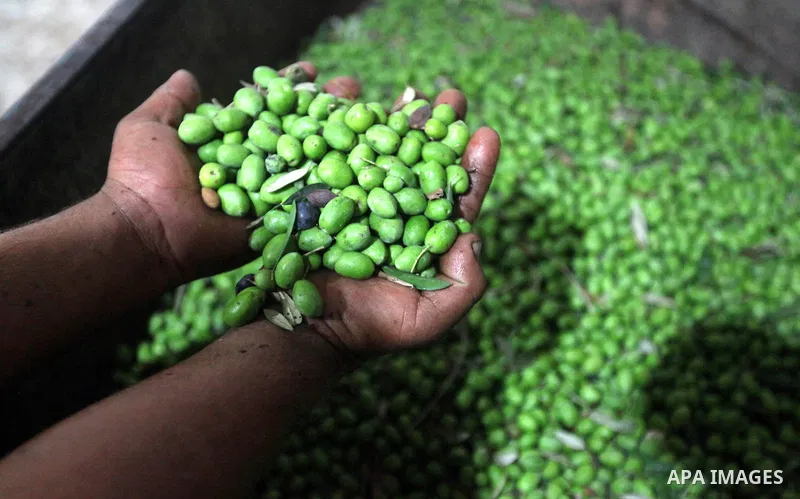
A Palestinian worker washes the olives before extracting in an olive press in Gaza City on Oct. 12, 2012. Agriculture is a major sector of the Palestinian economy, employing a large part Palestinians. Photo by Majdi Fathi
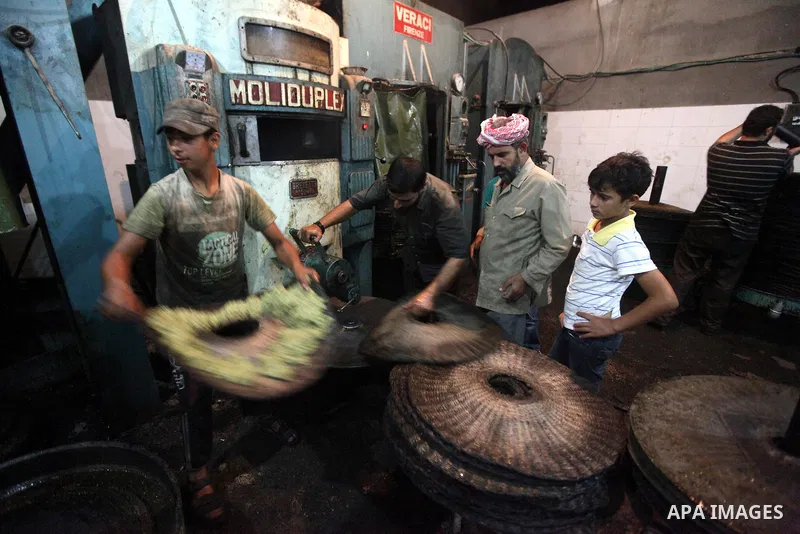
Palestinian workers produce olive oil in the olive press in Gaza city on Oct. 12,2012 during the olive harvesting season. Agriculture is a major sector of the Palestinian economy, employing a large part Palestinians. Photo by Majdi Fathi
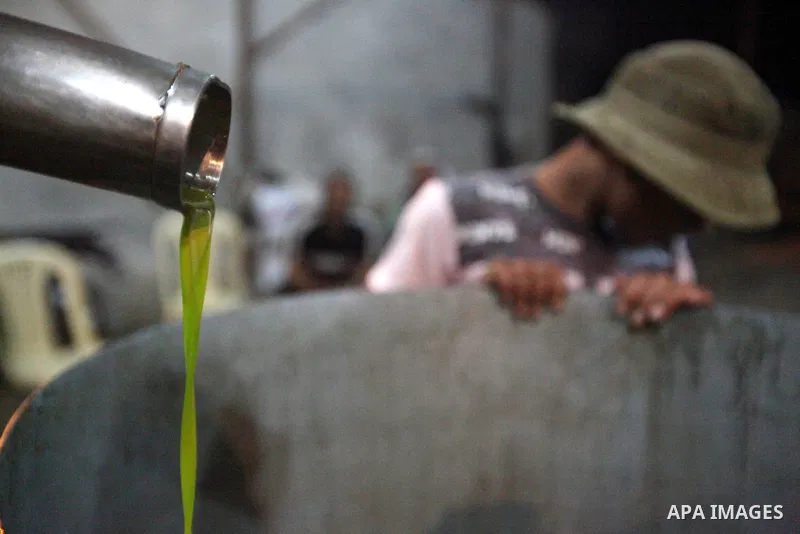
Palestinian workers produce olive oil in the olive press in Gaza city on Oct. 12,2012 during the olive harvesting season. Agriculture is a major sector of the Palestinian economy, employing a large part Palestinians. Photo by Majdi Fathi
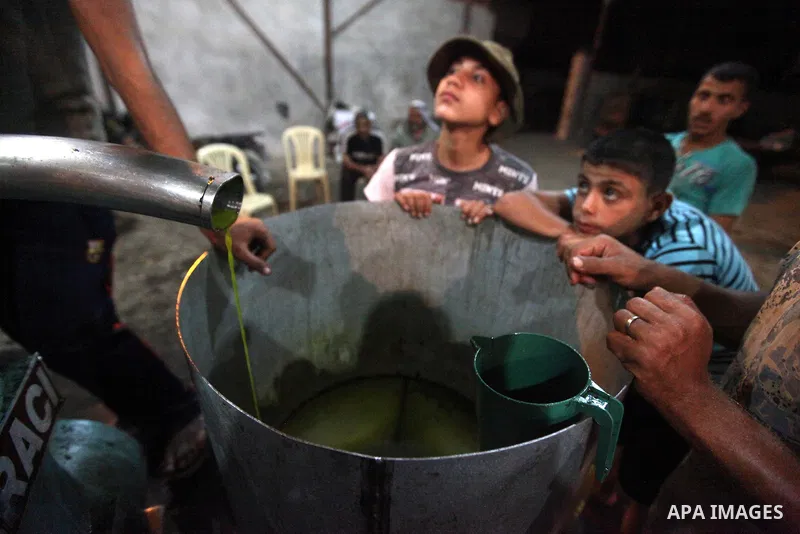
Palestinian children stand near olive press during producing olive oil in Gaza city on Oct. 12,2012 during the olive harvesting season. Agriculture is a major sector of the Palestinian economy, employing a large part Palestinians. Photo by Majdi Fathi
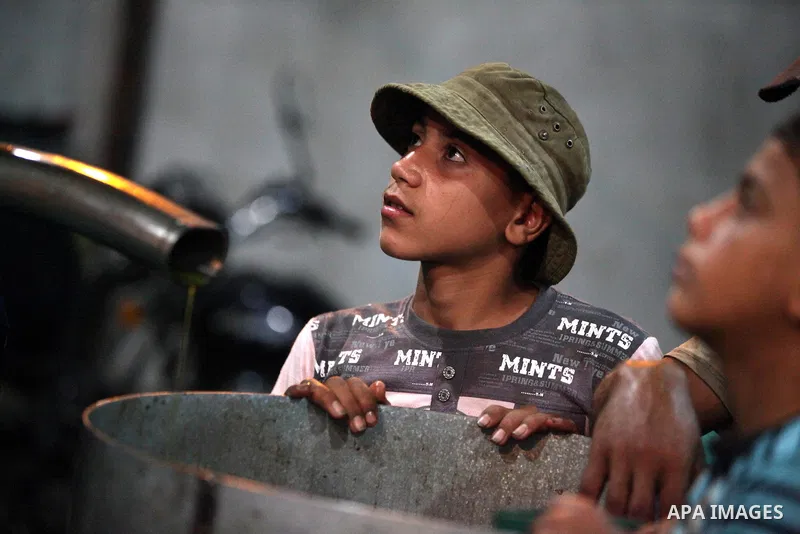
Palestinian children stand near olive press during producing olive oil in Gaza city on Oct. 12,2012 during the olive harvesting season. Agriculture is a major sector of the Palestinian economy, employing a large part Palestinians. Photo by Majdi Fathi
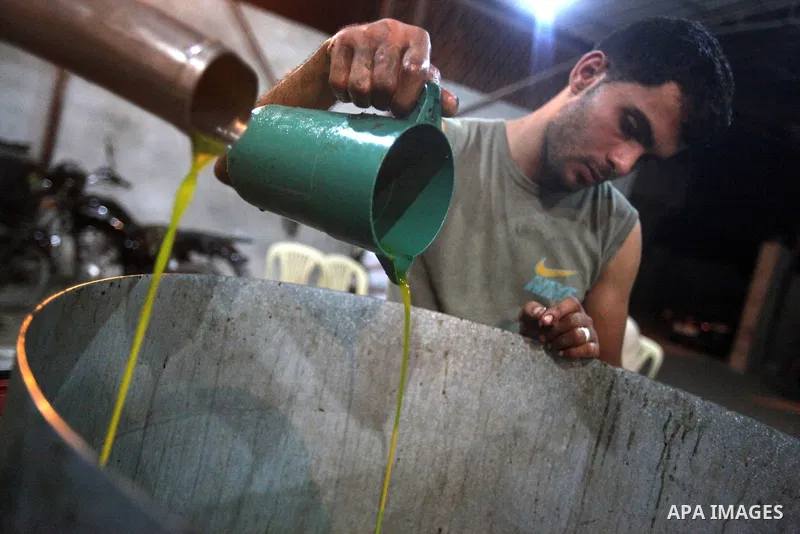
A Palestinian worker checked the quality of olive oil after it was extracted from an olive press in Gaza City on Oct. 12, 2012. Agriculture is a major sector of the Palestinian economy, employing a large part Palestinians. Photo by Majdi Fathi
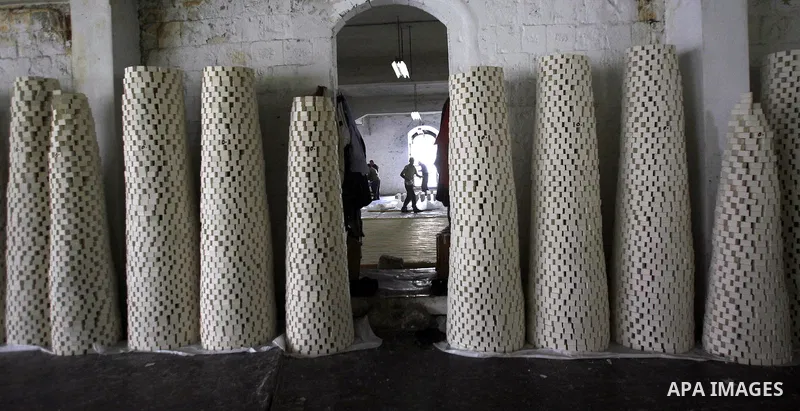
A Palestinian worker lines up soap pieces at the Touqan factory in the West Bank city of Nablus, on Oct. 11, 2012. The Touqan factory is one of the oldest manual factories in Nablus that manufactures the natural ''Nabulsi Soap'' since 1894. Photo by Nedal Eshtayah
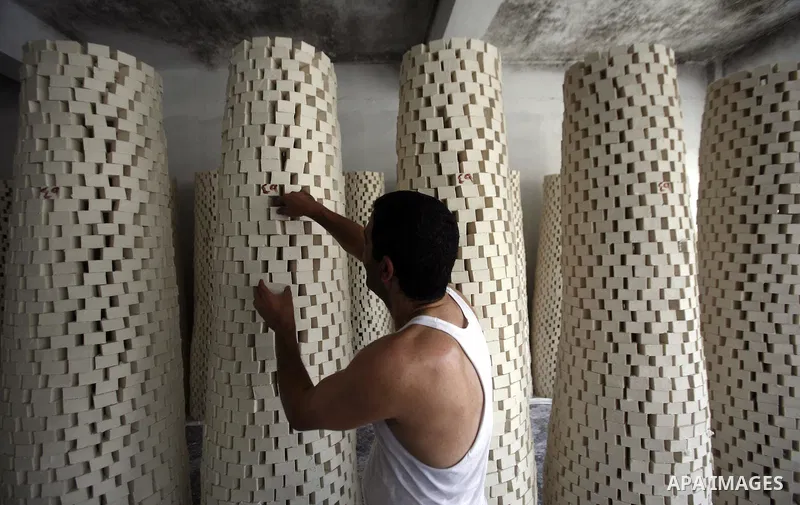
A Palestinian worker lines up soap pieces at the Touqan factory in the West Bank city of Nablus, on Oct. 11, 2012. The Touqan factory is one of the oldest manual factories in Nablus that manufactures the natural ''Nabulsi Soap'' since 1894. Photo by Nedal Eshtayah
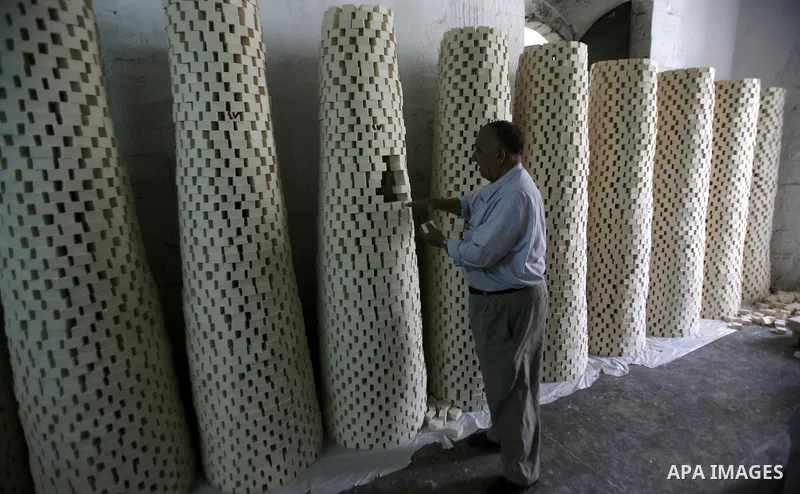
A Palestinian worker lines up soap pieces at the Touqan factory in the West Bank city of Nablus, on Oct. 11, 2012. The Touqan factory is one of the oldest manual factories in Nablus that manufactures the natural ''Nabulsi Soap'' since 1894. Photo by Nedal Eshtayah
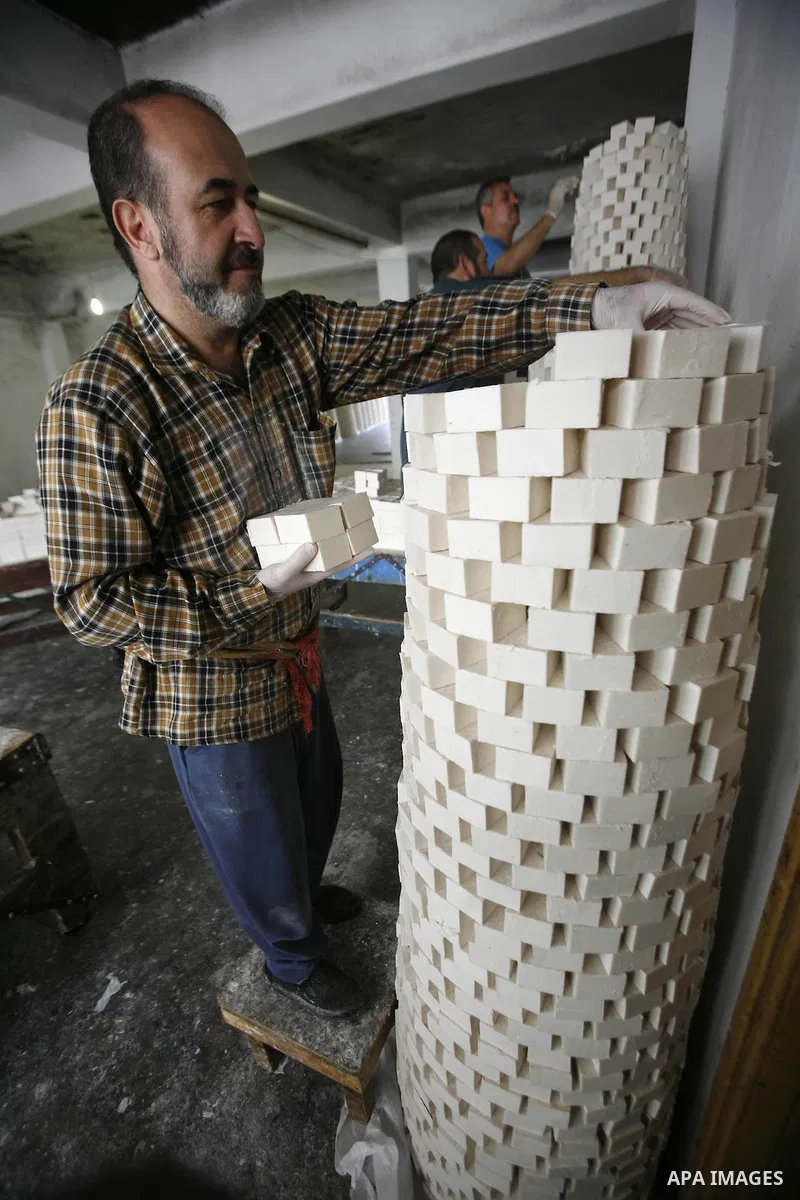
A Palestinian worker lines up soap pieces at the Touqan factory in the West Bank city of Nablus, on Oct. 11, 2012. The Touqan factory is one of the oldest manual factories in Nablus that manufactures the natural ''Nabulsi Soap'' since 1894. Photo by Nedal Eshtayah
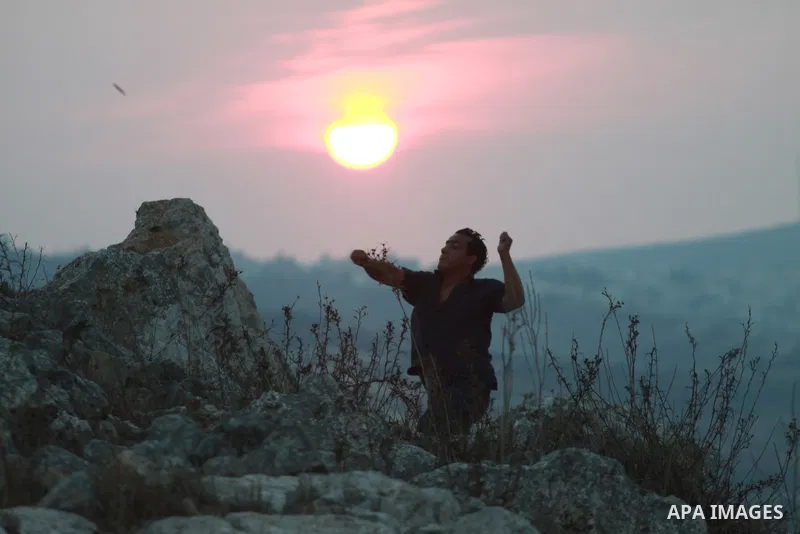
A Palestinian farmer throws stones toward Jewish settlers during clashes in the village of Burin near the West Bank city of Nablus on Oct. 10, 2012. Photo by Nedal Eshtayah
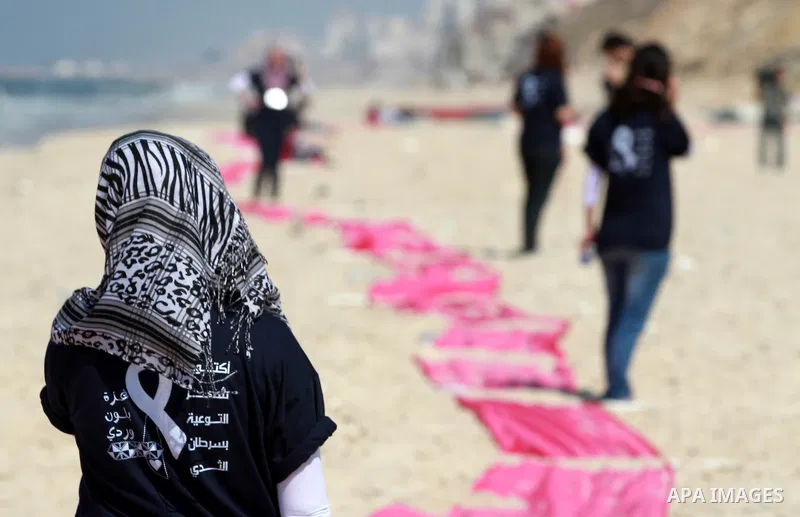
Palestinian youths stand on a beach in Gaza City near a pink ribbon as part of the Breast Cancer Awareness campaign on October 10, 2012. Photo by Majdi Fathi
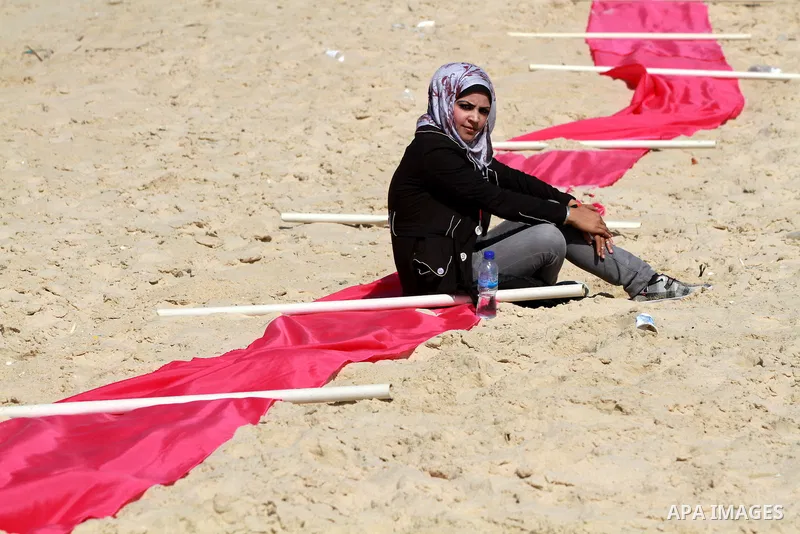
A Palestinian girl sits on a beach in Gaza City near a pink ribbon as part of the Breast Cancer Awareness campaign on October 10, 2012. Photo by Majdi Fathi
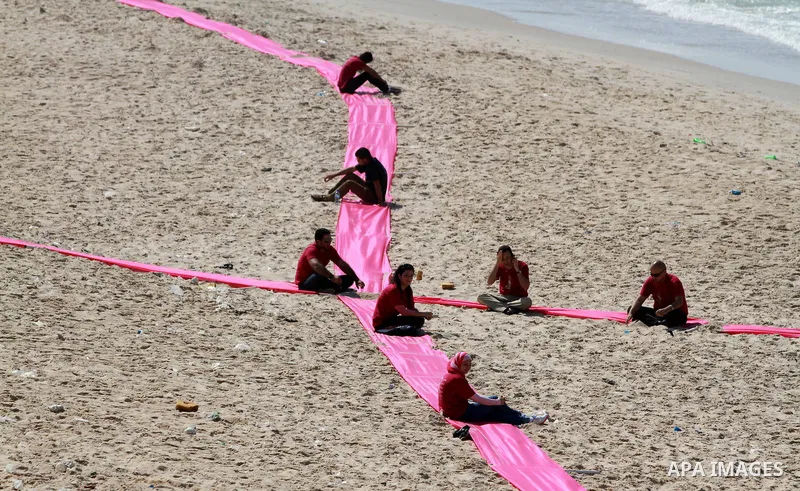
Palestinian youths sit on a beach in Gaza City near a pink ribbon as part of the Breast Cancer Awareness campaign on October 10, 2012. Photo by Majdi Fathi
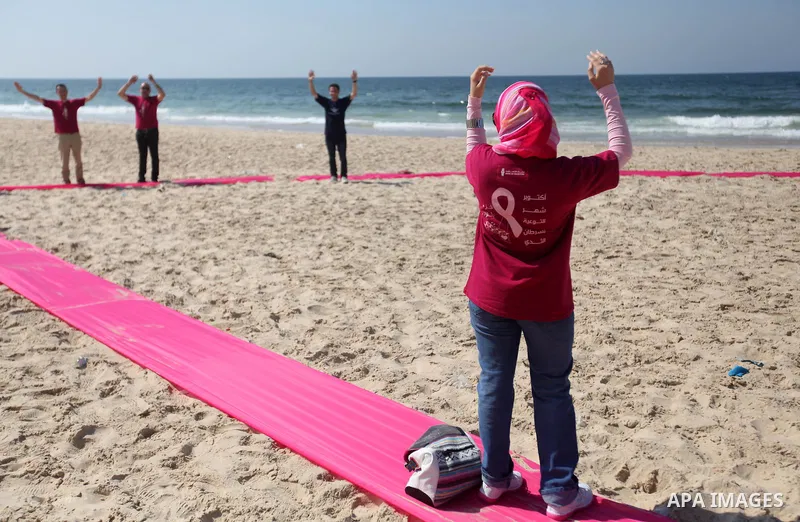
Palestinian youths stand on a beach in Gaza City near a pink ribbon as part of the Breast Cancer Awareness campaign on October 10, 2012. Photo by Majdi Fathi
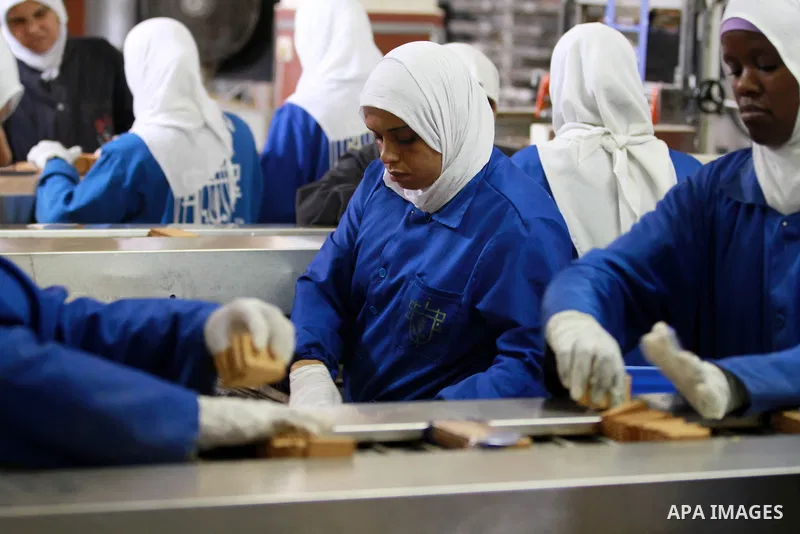
Palestinian workers quality control biscuits at the al-Awda factory in Deir al-Balah, in the central Gaza strip, on October 10, 2012. The World Food Program (WFP) will export the biscuits to United Nation run schools in the Israeli occupied Palestinian West Bank, the first time since 2006 when the Gaza Strip was put under an Israeli blockade. Photo by Majdi Fathi
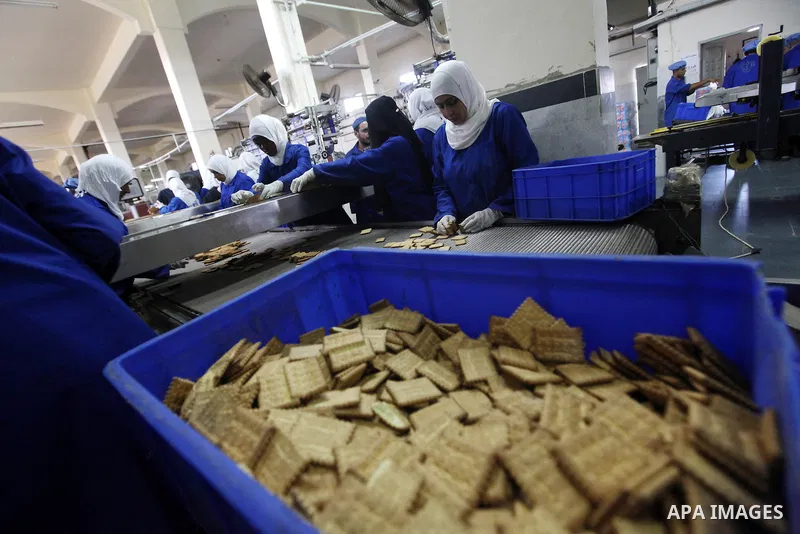
Palestinian workers quality control biscuits at the al-Awda factory in Deir al-Balah, in the central Gaza strip, on October 10, 2012. The World Food Program (WFP) will export the biscuits to United Nation run schools in the Israeli occupied Palestinian West Bank, the first time since 2006 when the Gaza Strip was put under an Israeli blockade. Photo by Majdi Fathi
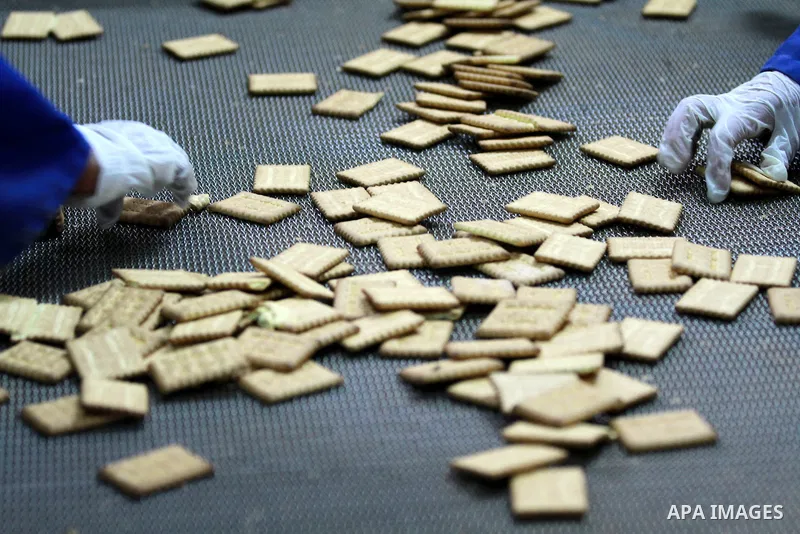
Palestinian workers quality control biscuits at the al-Awda factory in Deir al-Balah, in the central Gaza strip, on October 10, 2012. The World Food Program (WFP) will export the biscuits to United Nation run schools in the Israeli occupied Palestinian West Bank, the first time since 2006 when the Gaza Strip was put under an Israeli blockade. Photo by Majdi Fathi

Palestinian workers quality control biscuits at the al-Awda factory in Deir al-Balah, in the central Gaza strip, on October 10, 2012. The World Food Program (WFP) will export the biscuits to United Nation run schools in the Israeli occupied Palestinian West Bank, the first time since 2006 when the Gaza Strip was put under an Israeli blockade. Photo by Majdi Fathi
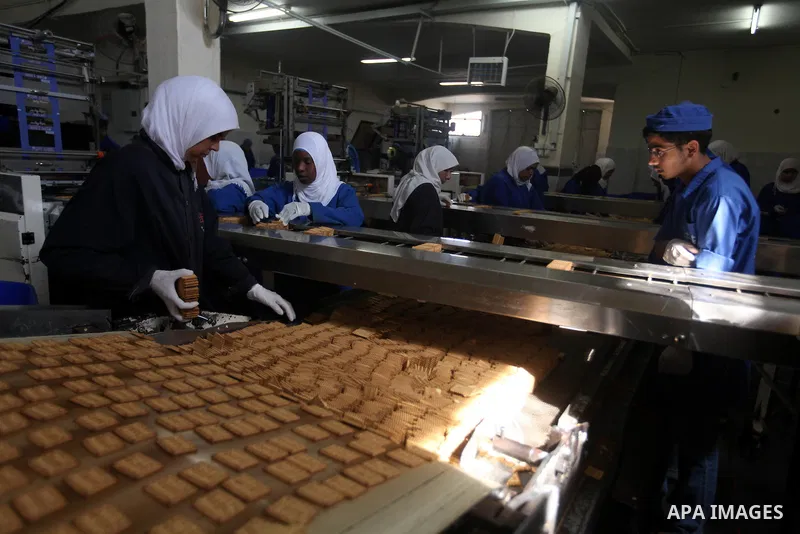
Palestinian workers quality control biscuits at the al-Awda factory in Deir al-Balah, in the central Gaza strip, on October 10, 2012. The World Food Program (WFP) will export the biscuits to United Nation run schools in the Israeli occupied Palestinian West Bank, the first time since 2006 when the Gaza Strip was put under an Israeli blockade. Photo by Majdi Fathi
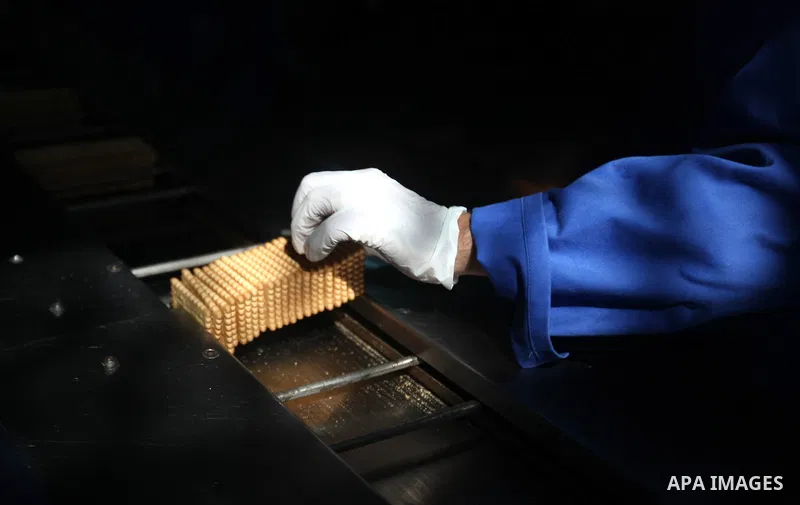
Palestinian workers quality control biscuits at the al-Awda factory in Deir al-Balah, in the central Gaza strip, on October 10, 2012. The World Food Program (WFP) will export the biscuits to United Nation run schools in the Israeli occupied Palestinian West Bank, the first time since 2006 when the Gaza Strip was put under an Israeli blockade. Photo by Majdi Fathi

A Palestinian girl wears folk costumes during a traditional costumes show in the West Bank city of Nablus, Oct. 09, 2012. Traditional Palestinian costumes reflected a woman's economic and marital status and her town or district of origin, with knowledgeable observers discerning this information from the fabric, colours, cut, and embroidery motifs (or lack thereof) used in the apparel. Photo by Nedal Eshtayah

A Palestinian girl wears folk costumes during a traditional costumes show in the West Bank city of Nablus, Oct. 09, 2012. Traditional Palestinian costumes reflected a woman's economic and marital status and her town or district of origin, with knowledgeable observers discerning this information from the fabric, colours, cut, and embroidery motifs (or lack thereof) used in the apparel. Photo by Nedal Eshtayah

A Palestinian girl wears folk costumes during a traditional costumes show in the West Bank city of Nablus, Oct. 09, 2012. Traditional Palestinian costumes reflected a woman's economic and marital status and her town or district of origin, with knowledgeable observers discerning this information from the fabric, colours, cut, and embroidery motifs (or lack thereof) used in the apparel. Photo by Nedal Eshtayah

A Palestinian girl wears folk costumes during a traditional costumes show in the West Bank city of Nablus, Oct. 09, 2012. Traditional Palestinian costumes reflected a woman's economic and marital status and her town or district of origin, with knowledgeable observers discerning this information from the fabric, colours, cut, and embroidery motifs (or lack thereof) used in the apparel. Photo by Nedal Eshtayah

Palestinian girls wear folk costumes during a traditional costumes show in the West Bank city of Nablus, Oct. 09, 2012. Traditional Palestinian costumes reflected a woman's economic and marital status and her town or district of origin, with knowledgeable observers discerning this information from the fabric, colours, cut, and embroidery motifs (or lack thereof) used in the apparel. Photo by Nedal Eshtayah

Palestinian girls wear folk costumes during a traditional costumes show in the West Bank city of Nablus, Oct. 09, 2012. Traditional Palestinian costumes reflected a woman's economic and marital status and her town or district of origin, with knowledgeable observers discerning this information from the fabric, colours, cut, and embroidery motifs (or lack thereof) used in the apparel. Photo by Nedal Eshtayah

Palestinian girls wear folk costumes during a traditional costumes show in the West Bank city of Nablus, Oct. 09, 2012. Traditional Palestinian costumes reflected a woman's economic and marital status and her town or district of origin, with knowledgeable observers discerning this information from the fabric, colours, cut, and embroidery motifs (or lack thereof) used in the apparel. Photo by Nedal Eshtayah
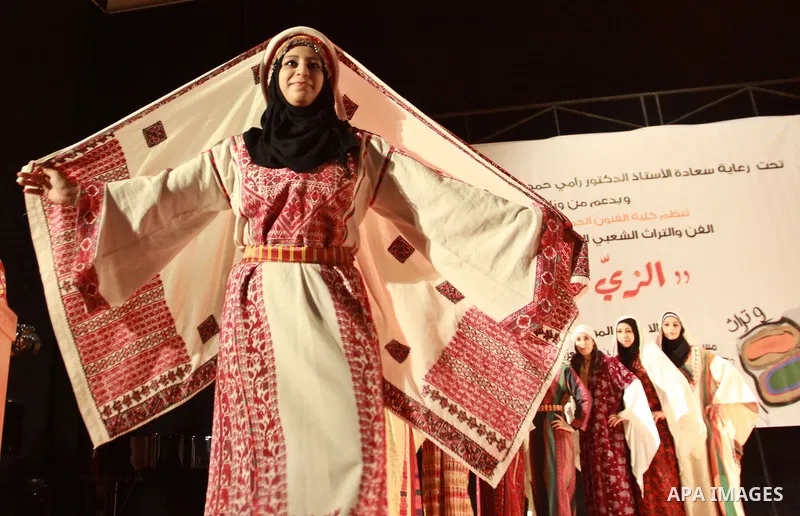
Palestinian girls wear folk costumes during a traditional costumes show in the West Bank city of Nablus, Oct. 09, 2012. Traditional Palestinian costumes reflected a woman's economic and marital status and her town or district of origin, with knowledgeable observers discerning this information from the fabric, colours, cut, and embroidery motifs (or lack thereof) used in the apparel. Photo by Nedal Eshtayah

A Palestinian girl wears folk costumes during a traditional costumes show in the West Bank city of Nablus, Oct. 09, 2012. Traditional Palestinian costumes reflected a woman's economic and marital status and her town or district of origin, with knowledgeable observers discerning this information from the fabric, colours, cut, and embroidery motifs (or lack thereof) used in the apparel. Photo by Nedal Eshtayah

A Palestinian girl wears folk costumes during a traditional costumes show in the West Bank city of Nablus, Oct. 09, 2012. Traditional Palestinian costumes reflected a woman's economic and marital status and her town or district of origin, with knowledgeable observers discerning this information from the fabric, colours, cut, and embroidery motifs (or lack thereof) used in the apparel. Photo by Nedal Eshtayah
Collection
Nov 2008 – Aug 2023

Collection
Jan 2020 – Nov 2026

Collection
Feb 2020 – Nov 2026
Collection
31 Oct 2026
Watermarked preview. The licensed file is delivered in full quality without the watermark.
Contact APA for available qualities and pricing.
Request commercial, exclusive, documentary, or other custom rights for this material.
Find photos, videos and stories in your language.
Try asking