
Unavailable

Collection
Sport
Nov 2008 – Aug 2023
- 4,235 Photos
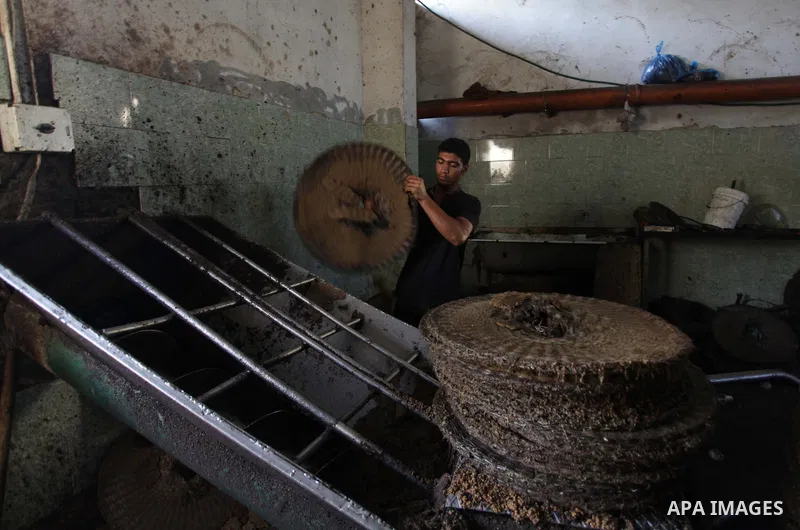
A Palestinian worker prepares crushed olives between metal plates at a traditional stone press in Gaza City, 20 October 2013. Regional farmers are harvesting their olives this year from mid-October until 01 November. According to figures issued by the United Nations some 80,000 Palestinian families earn their income from growing olives in plantations which reportedly occupy about 48 per cent of the agricultural land in the West Bank and Gaza strip. About 93 per cent of the olive harvest pressed to oil with the rest being used in soap production. Photo by Ashraf Amra
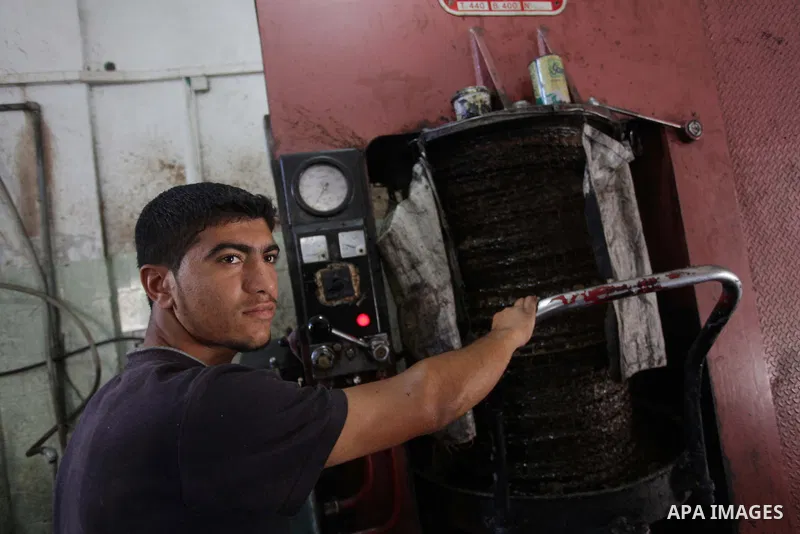
A Palestinian worker presses olives at a traditional stone press in Gaza City, 20 October 2013. Regional farmers are harvesting their olives this year from mid-October until 01 November. According to figures issued by the United Nations some 80,000 Palestinian families earn their income from growing olives in plantations which reportedly occupy about 48 per cent of the agricultural land in the West Bank and Gaza strip. About 93 per cent of the olive harvest pressed to oil with the rest being used in soap production. Photo by Ashraf Amra
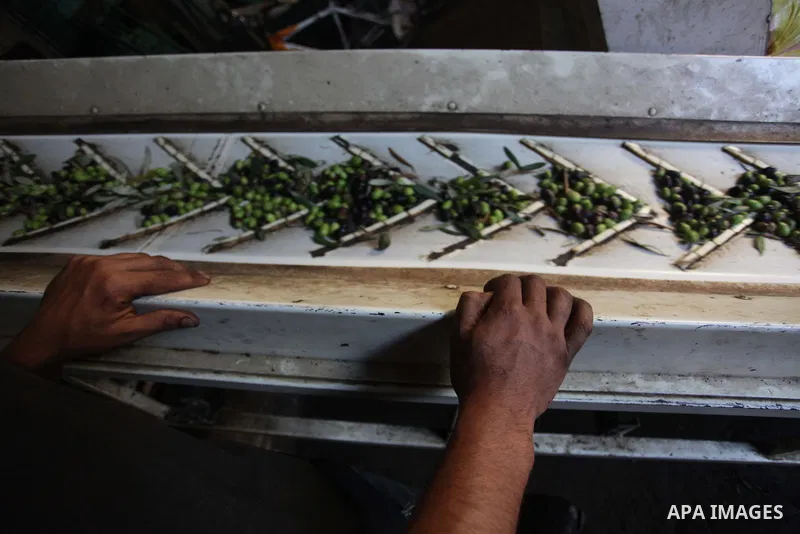
A Palestinian worker presses olives at a traditional stone press in Gaza City, 20 October 2013. Regional farmers are harvesting their olives this year from mid-October until 01 November. According to figures issued by the United Nations some 80,000 Palestinian families earn their income from growing olives in plantations which reportedly occupy about 48 per cent of the agricultural land in the West Bank and Gaza strip. About 93 per cent of the olive harvest pressed to oil with the rest being used in soap production. Photo by Ashraf Amra
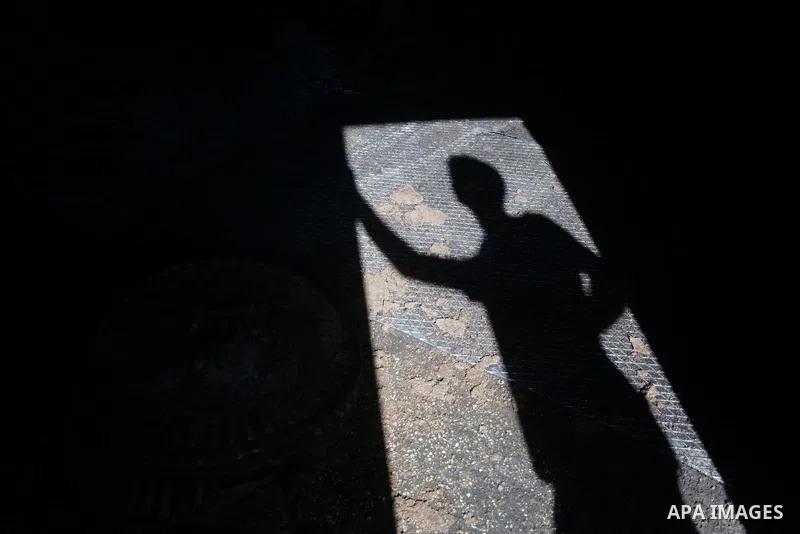
A Palestinian worker stands at the entrance of a traditional stone press in Gaza City, 20 October 2013. Regional farmers are harvesting their olives this year from mid-October until 01 November. According to figures issued by the United Nations some 80,000 Palestinian families earn their income from growing olives in plantations which reportedly occupy about 48 per cent of the agricultural land in the West Bank and Gaza strip. About 93 per cent of the olive harvest pressed to oil with the rest being used in soap production. Photo by Ashraf Amra
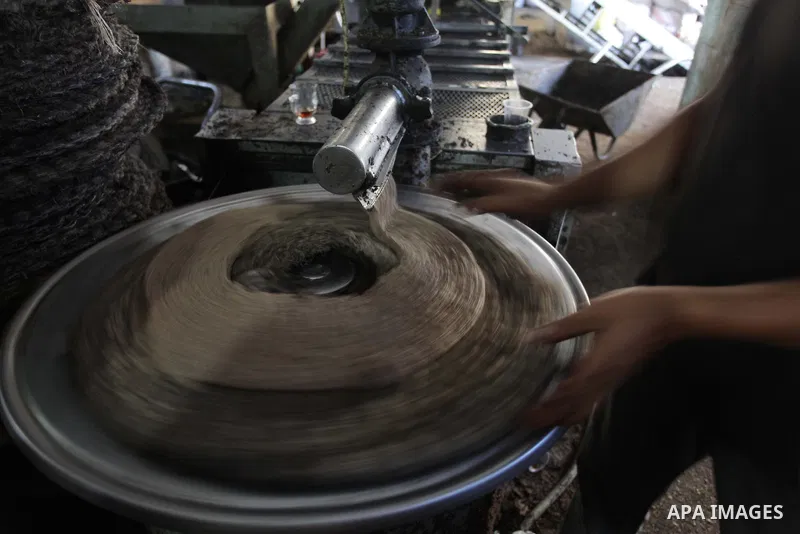
A Palestinian worker presses olives at a traditional stone press in Gaza City, 20 October 2013. Regional farmers are harvesting their olives this year from mid-October until 01 November. According to figures issued by the United Nations some 80,000 Palestinian families earn their income from growing olives in plantations which reportedly occupy about 48 per cent of the agricultural land in the West Bank and Gaza strip. About 93 per cent of the olive harvest pressed to oil with the rest being used in soap production. Photo by Ashraf Amra
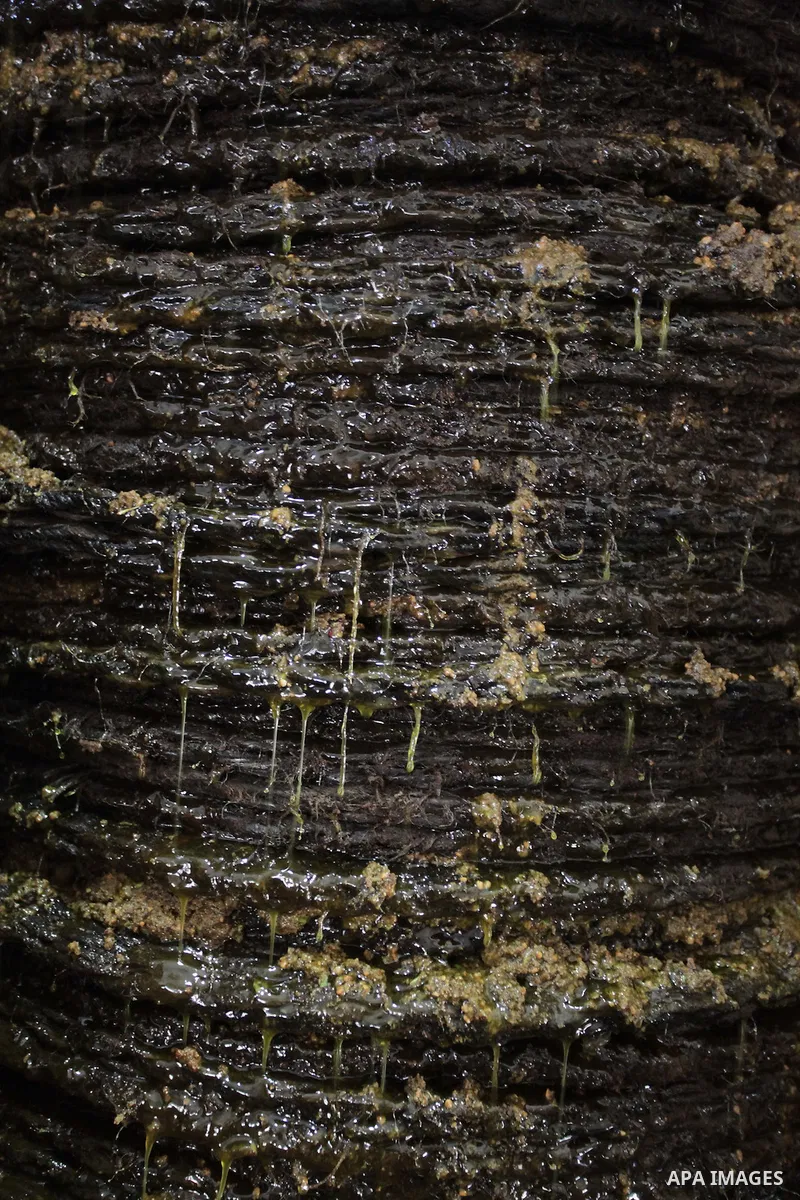
A picture taken on October 20, 2013 shows olive oil after olives have been pressed between metal plates at a traditional stone press in Gaza City. Regional farmers are harvesting their olives this year from mid-October until 01 November. According to figures issued by the United Nations some 80,000 Palestinian families earn their income from growing olives in plantations which reportedly occupy about 48 per cent of the agricultural land in the West Bank and Gaza strip. About 93 per cent of the olive harvest pressed to oil with the rest being used in soap production. Photo by Ashraf Amra
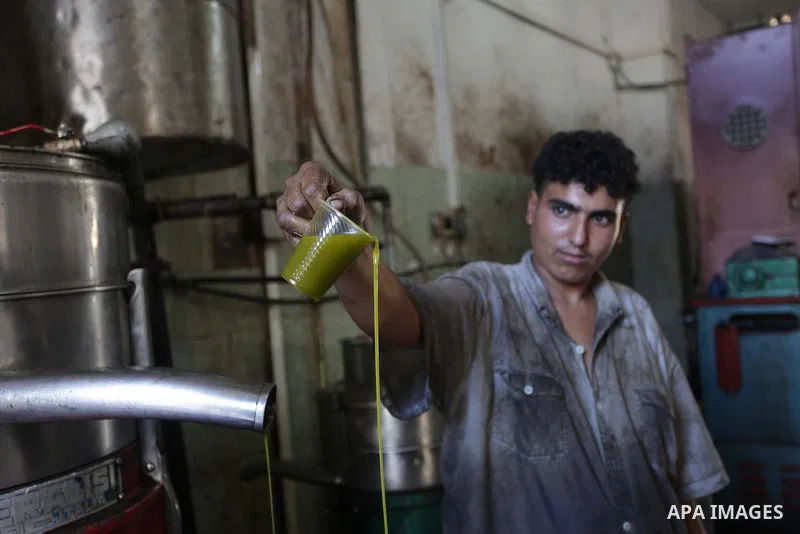
A Palestinian worker presses olives at a traditional stone press in Gaza City, 20 October 2013. Regional farmers are harvesting their olives this year from mid-October until 01 November. According to figures issued by the United Nations some 80,000 Palestinian families earn their income from growing olives in plantations which reportedly occupy about 48 per cent of the agricultural land in the West Bank and Gaza strip. About 93 per cent of the olive harvest pressed to oil with the rest being used in soap production. Photo by Ashraf Amra
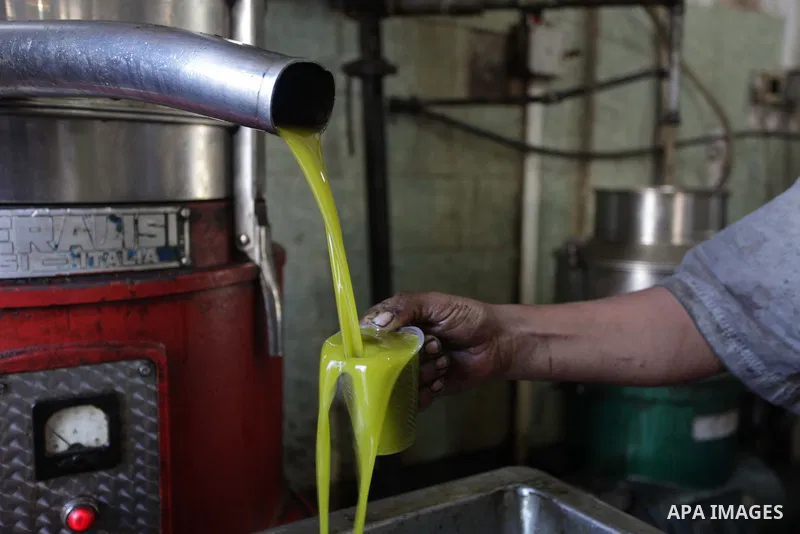
A Palestinian worker presses olives at a traditional stone press in Gaza City, 20 October 2013. Regional farmers are harvesting their olives this year from mid-October until 01 November. According to figures issued by the United Nations some 80,000 Palestinian families earn their income from growing olives in plantations which reportedly occupy about 48 per cent of the agricultural land in the West Bank and Gaza strip. About 93 per cent of the olive harvest pressed to oil with the rest being used in soap production. Photo by Ashraf Amra
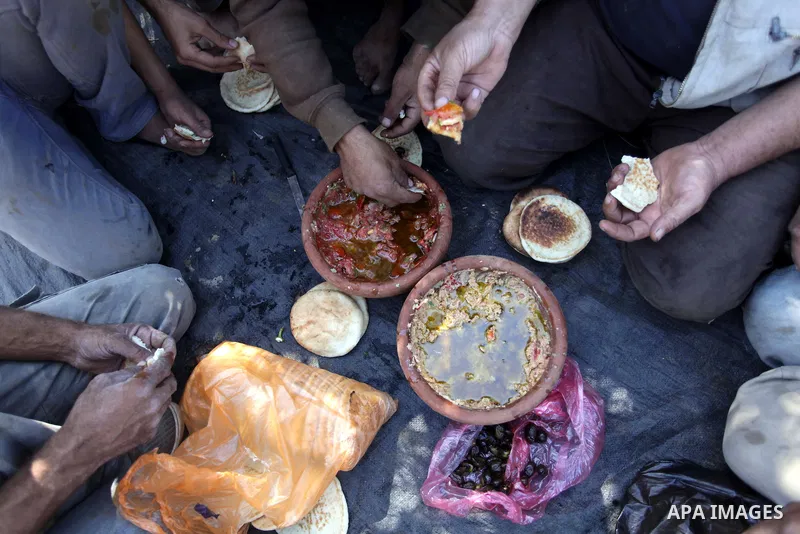
Palestinian farmers have lunch at an olive orchard in Gaza City, 20 October 2013. Regional farmers are harvesting their olives this year from mid-October until 01 November. According to figures issued by the United Nations some 80,000 Palestinian families earn their income from growing olives in plantations which reportedly occupy about 48 per cent of the agricultural land in the West Bank and Gaza strip. About 93 per cent of the olive harvest pressed to oil with the rest being used in soap production. Photo by Ashraf Amra
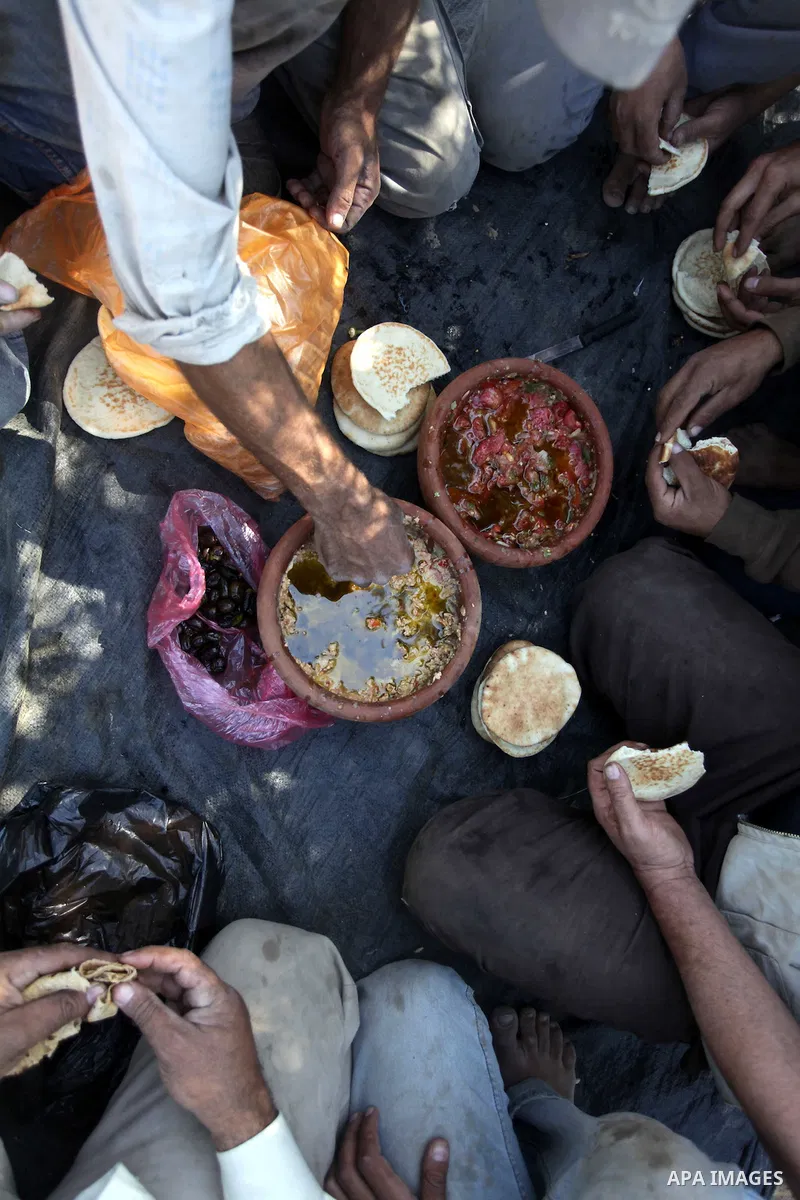
Palestinian farmers have lunch at an olive orchard in Gaza City, 20 October 2013. Regional farmers are harvesting their olives this year from mid-October until 01 November. According to figures issued by the United Nations some 80,000 Palestinian families earn their income from growing olives in plantations which reportedly occupy about 48 per cent of the agricultural land in the West Bank and Gaza strip. About 93 per cent of the olive harvest pressed to oil with the rest being used in soap production. Photo by Ashraf Amra
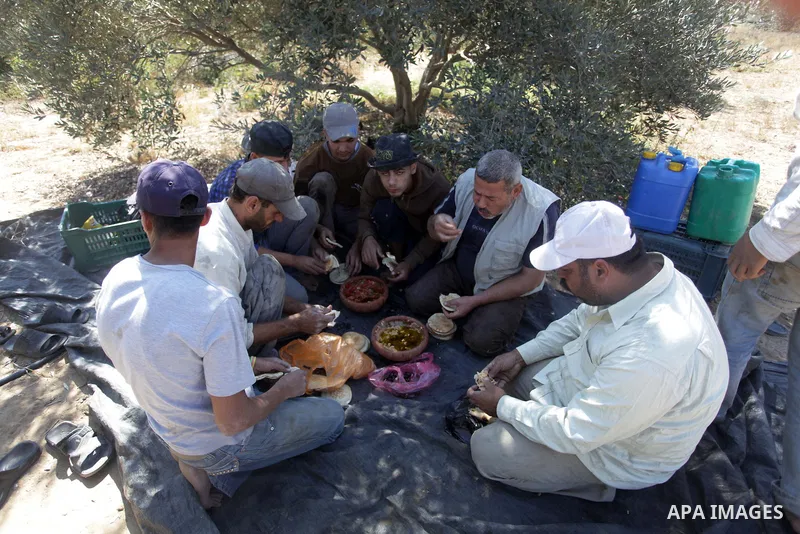
Palestinian farmers have lunch at an olive orchard in Gaza City, 20 October 2013. Regional farmers are harvesting their olives this year from mid-October until 01 November. According to figures issued by the United Nations some 80,000 Palestinian families earn their income from growing olives in plantations which reportedly occupy about 48 per cent of the agricultural land in the West Bank and Gaza strip. About 93 per cent of the olive harvest pressed to oil with the rest being used in soap production. Photo by Ashraf Amra
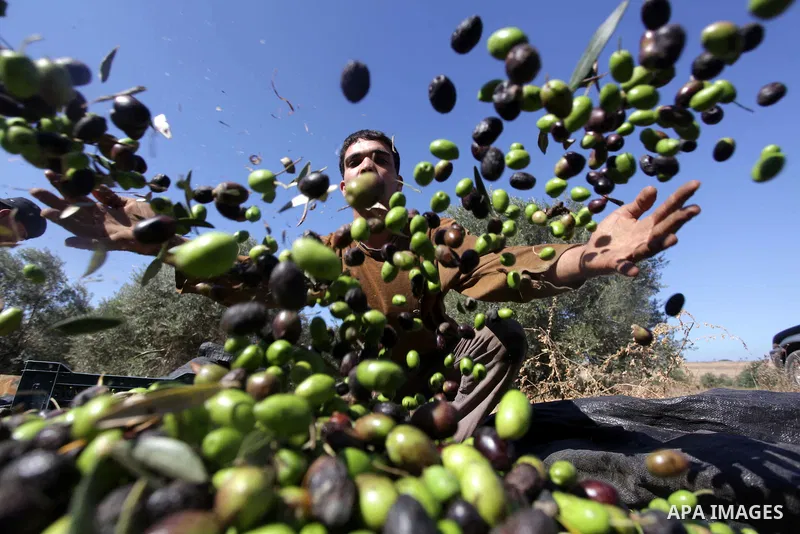
A Palestinian farmer sorts olives at an olive orchard in Gaza City, 20 October 2013. Regional farmers are harvesting their olives this year from mid-October until 01 November. According to figures issued by the United Nations some 80,000 Palestinian families earn their income from growing olives in plantations which reportedly occupy about 48 per cent of the agricultural land in the West Bank and Gaza strip. About 93 per cent of the olive harvest pressed to oil with the rest being used in soap production. Photo by Ashraf Amra
Palestinian farmers sort olives at an olive orchard in Gaza City, 20 October 2013. Regional farmers are harvesting their olives this year from mid-October until 01 November. According to figures issued by the United Nations some 80,000 Palestinian families earn their income from growing olives in plantations which reportedly occupy about 48 per cent of the agricultural land in the West Bank and Gaza strip. About 93 per cent of the olive harvest pressed to oil with the rest being used in soap production. Photo by Ashraf Amra
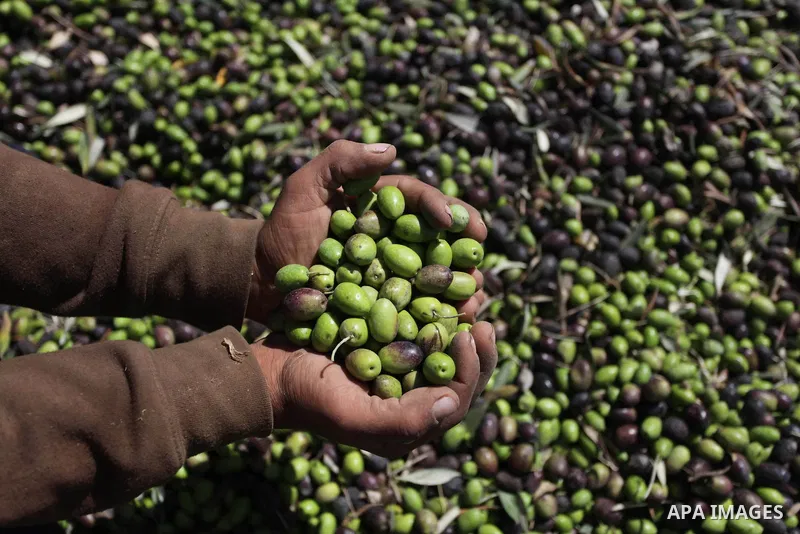
A Palestinian farmer sorts olives at an olive orchard in Gaza City, 20 October 2013. Regional farmers are harvesting their olives this year from mid-October until 01 November. According to figures issued by the United Nations some 80,000 Palestinian families earn their income from growing olives in plantations which reportedly occupy about 48 per cent of the agricultural land in the West Bank and Gaza strip. About 93 per cent of the olive harvest pressed to oil with the rest being used in soap production. Photo by Ashraf Amra
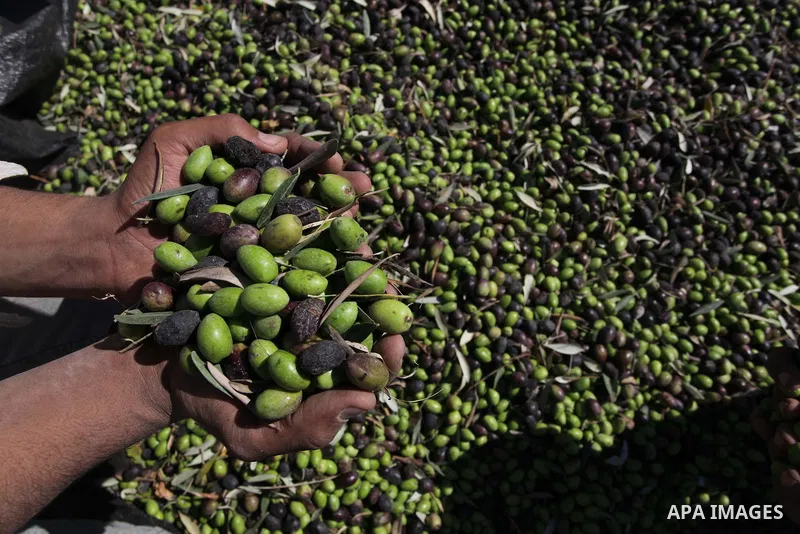
A Palestinian farmer sorts olives at an olive orchard in Gaza City, 20 October 2013. Regional farmers are harvesting their olives this year from mid-October until 01 November. According to figures issued by the United Nations some 80,000 Palestinian families earn their income from growing olives in plantations which reportedly occupy about 48 per cent of the agricultural land in the West Bank and Gaza strip. About 93 per cent of the olive harvest pressed to oil with the rest being used in soap production. Photo by Ashraf Amra
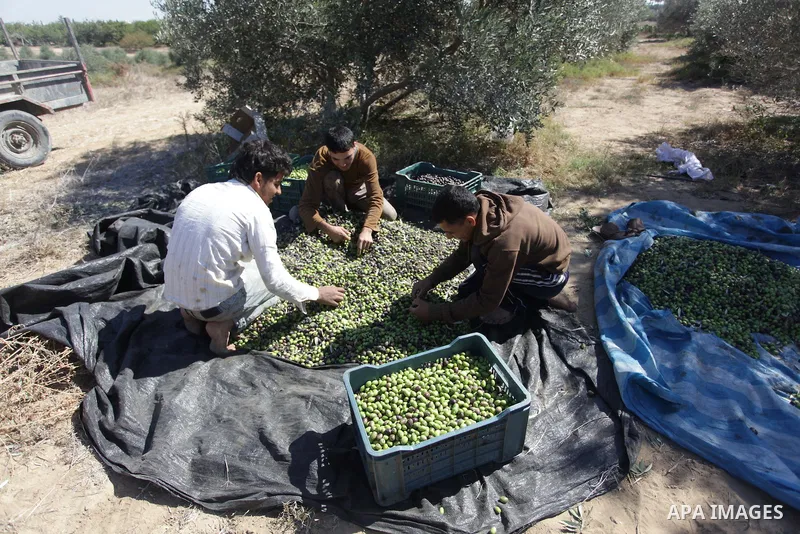
Palestinian farmers sort olives at an olive orchard in Gaza City, 20 October 2013. Regional farmers are harvesting their olives this year from mid-October until 01 November. According to figures issued by the United Nations some 80,000 Palestinian families earn their income from growing olives in plantations which reportedly occupy about 48 per cent of the agricultural land in the West Bank and Gaza strip. About 93 per cent of the olive harvest pressed to oil with the rest being used in soap production. Photo by Ashraf Amra
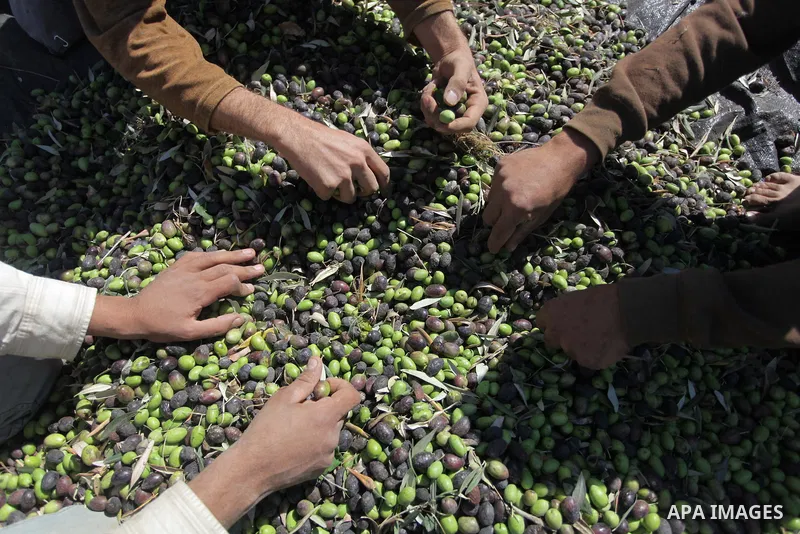
Palestinian farmers sort olives at an olive orchard in Gaza City, 20 October 2013. Regional farmers are harvesting their olives this year from mid-October until 01 November. According to figures issued by the United Nations some 80,000 Palestinian families earn their income from growing olives in plantations which reportedly occupy about 48 per cent of the agricultural land in the West Bank and Gaza strip. About 93 per cent of the olive harvest pressed to oil with the rest being used in soap production. Photo by Ashraf Amra
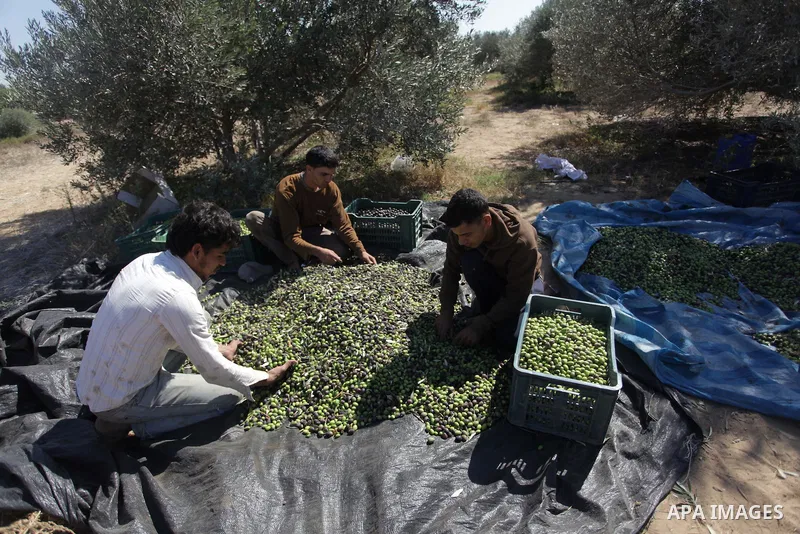
Palestinian farmers sort olives at an olive orchard in Gaza City, 20 October 2013. Regional farmers are harvesting their olives this year from mid-October until 01 November. According to figures issued by the United Nations some 80,000 Palestinian families earn their income from growing olives in plantations which reportedly occupy about 48 per cent of the agricultural land in the West Bank and Gaza strip. About 93 per cent of the olive harvest pressed to oil with the rest being used in soap production. Photo by Ashraf Amra
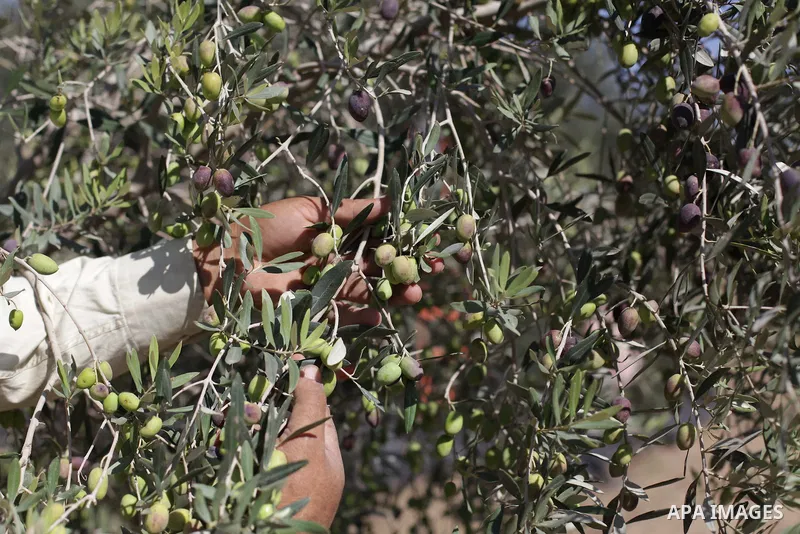
A Palestinian farmer picks olives at an olive orchard in Gaza City, 20 October 2013. Regional farmers are harvesting their olives this year from mid-October until 01 November. According to figures issued by the United Nations some 80,000 Palestinian families earn their income from growing olives in plantations which reportedly occupy about 48 per cent of the agricultural land in the West Bank and Gaza strip. About 93 per cent of the olive harvest pressed to oil with the rest being used in soap production. Photo by Ashraf Amra
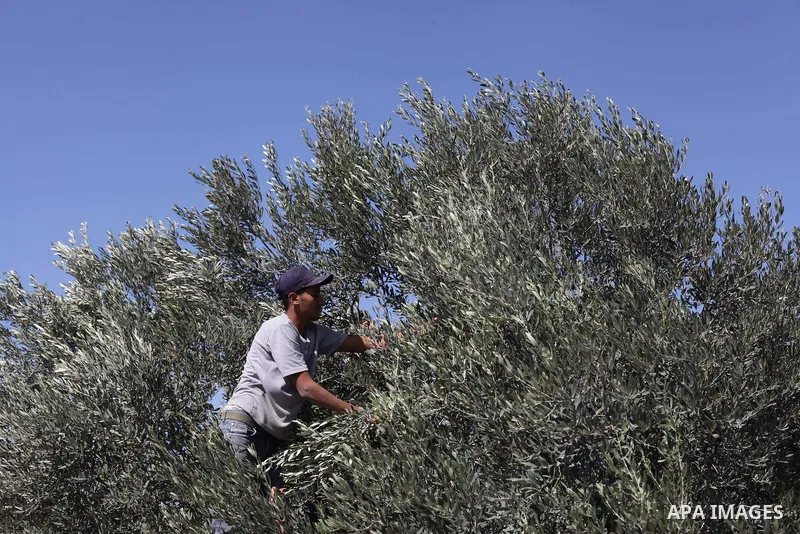
A Palestinian farmer picks olives at an olive orchard in Gaza City, 20 October 2013. Regional farmers are harvesting their olives this year from mid-October until 01 November. According to figures issued by the United Nations some 80,000 Palestinian families earn their income from growing olives in plantations which reportedly occupy about 48 per cent of the agricultural land in the West Bank and Gaza strip. About 93 per cent of the olive harvest pressed to oil with the rest being used in soap production. Photo by Ashraf Amra
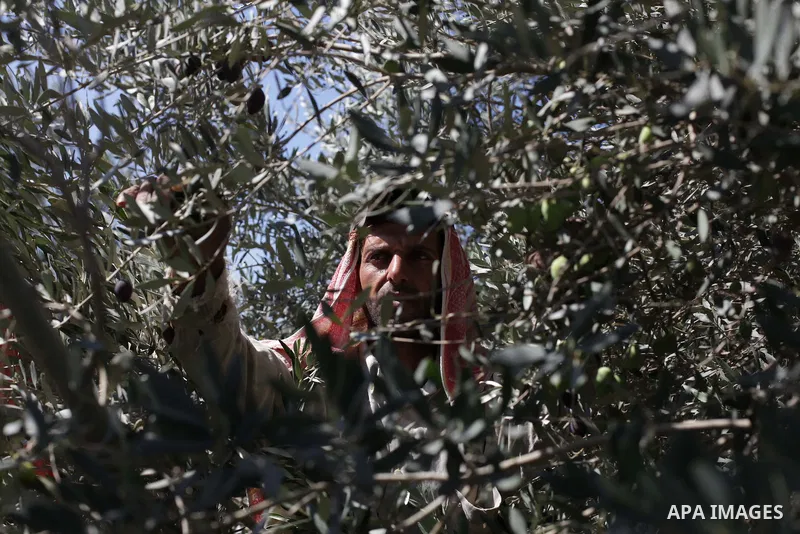
A Palestinian farmer picks olives at an olive orchard in Gaza City, 20 October 2013. Regional farmers are harvesting their olives this year from mid-October until 01 November. According to figures issued by the United Nations some 80,000 Palestinian families earn their income from growing olives in plantations which reportedly occupy about 48 per cent of the agricultural land in the West Bank and Gaza strip. About 93 per cent of the olive harvest pressed to oil with the rest being used in soap production. Photo by Ashraf Amra
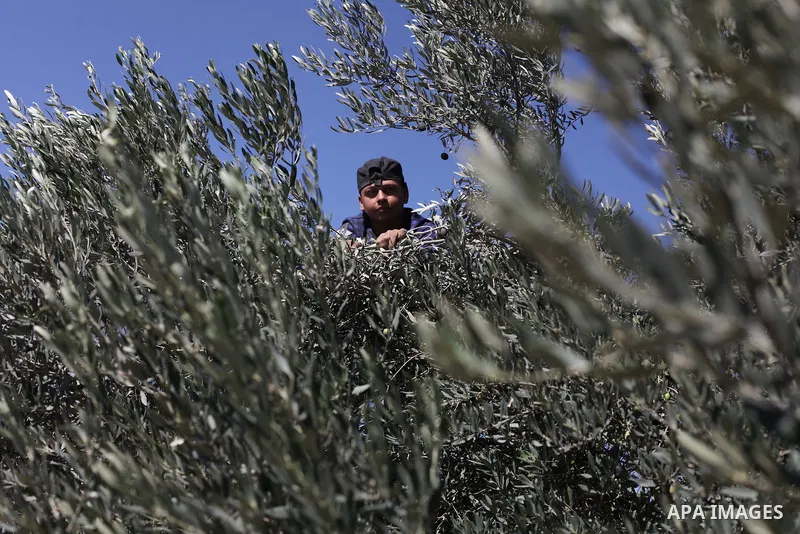
A Palestinian farmer picks olives at an olive orchard in Gaza City, 20 October 2013. Regional farmers are harvesting their olives this year from mid-October until 01 November. According to figures issued by the United Nations some 80,000 Palestinian families earn their income from growing olives in plantations which reportedly occupy about 48 per cent of the agricultural land in the West Bank and Gaza strip. About 93 per cent of the olive harvest pressed to oil with the rest being used in soap production. Photo by Ashraf Amra
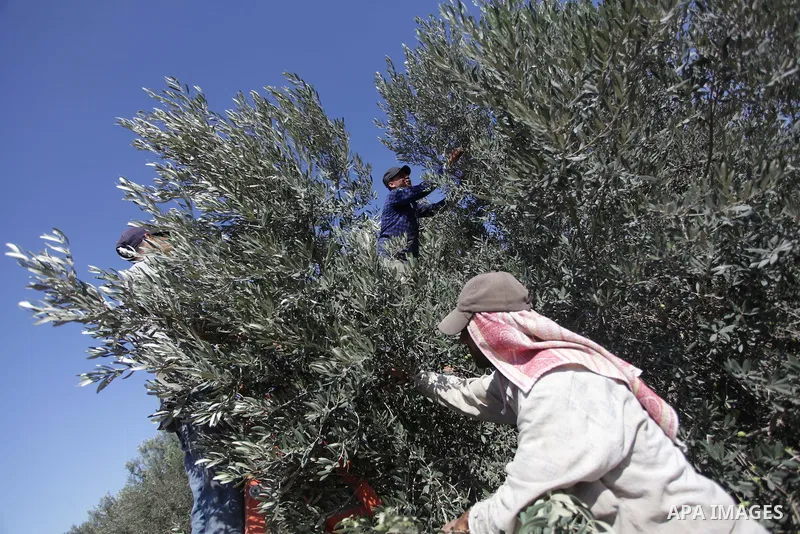
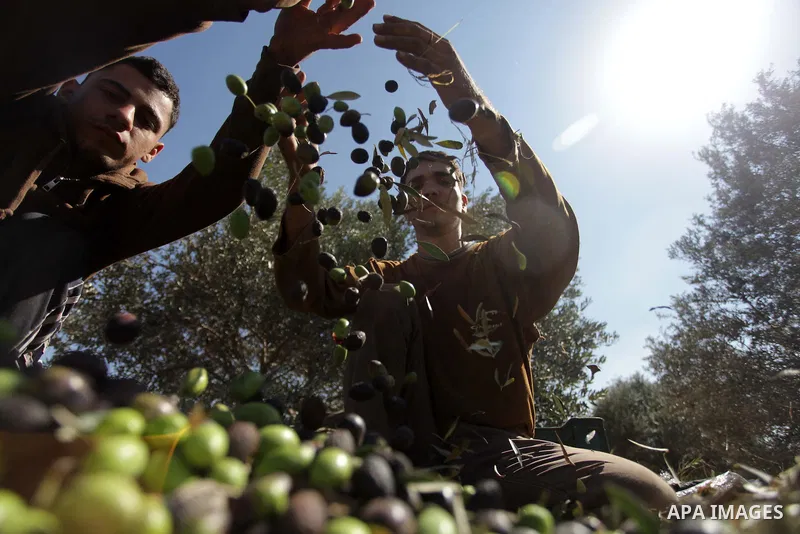
Palestinian farmers pick olives at an olive orchard in Gaza City, 20 October 2013. Regional farmers are harvesting their olives this year from mid-October until 01 November. According to figures issued by the United Nations some 80,000 Palestinian families earn their income from growing olives in plantations which reportedly occupy about 48 per cent of the agricultural land in the West Bank and Gaza strip. About 93 per cent of the olive harvest pressed to oil with the rest being used in soap production. Photo by Ashraf Amra
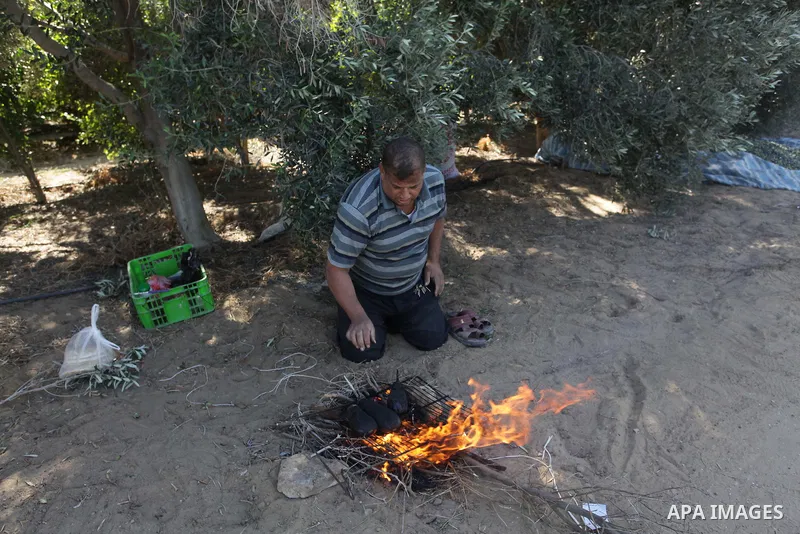
A Palestinian farmer burn firewood to prepare lunch as others pick olives at an olive orchard in Gaza City, 20 October 2013. Regional farmers are harvesting their olives this year from mid-October until 01 November. According to figures issued by the United Nations some 80,000 Palestinian families earn their income from growing olives in plantations which reportedly occupy about 48 per cent of the agricultural land in the West Bank and Gaza strip. About 93 per cent of the olive harvest pressed to oil with the rest being used in soap production. Photo by Ashraf Amra
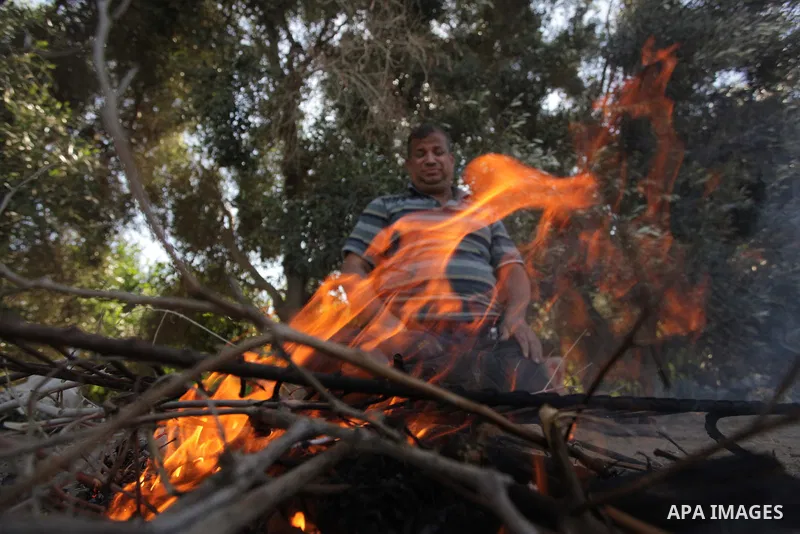
A Palestinian farmer burn firewood to prepare lunch as others pick olives at an olive orchard in Gaza City, 20 October 2013. Regional farmers are harvesting their olives this year from mid-October until 01 November. According to figures issued by the United Nations some 80,000 Palestinian families earn their income from growing olives in plantations which reportedly occupy about 48 per cent of the agricultural land in the West Bank and Gaza strip. About 93 per cent of the olive harvest pressed to oil with the rest being used in soap production. Photo by Ashraf Amra

A Palestinian farmer sorts olives at an olive orchard in Gaza City, 20 October 2013. Regional farmers are harvesting their olives this year from mid-October until 01 November. According to figures issued by the United Nations some 80,000 Palestinian families earn their income from growing olives in plantations which reportedly occupy about 48 per cent of the agricultural land in the West Bank and Gaza strip. About 93 per cent of the olive harvest pressed to oil with the rest being used in soap production. Photo by Ashraf Amra
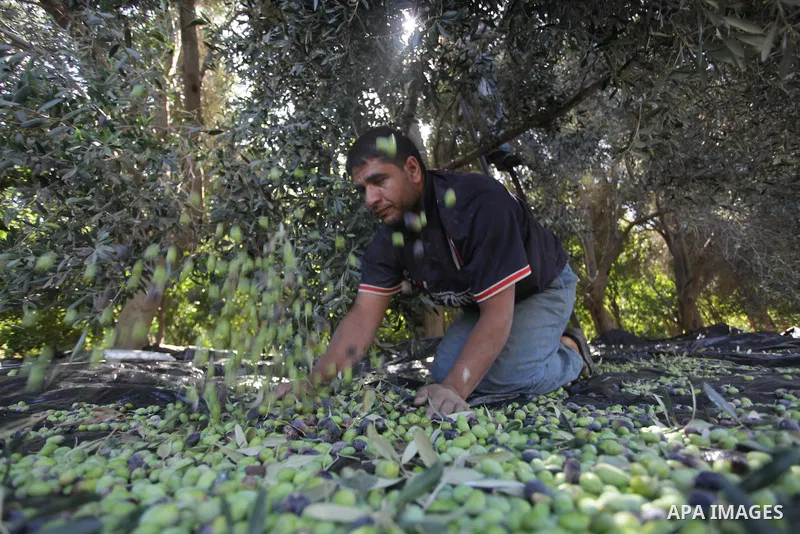
A Palestinian farmer sorts olives at an olive orchard in Gaza City, 20 October 2013. Regional farmers are harvesting their olives this year from mid-October until 01 November. According to figures issued by the United Nations some 80,000 Palestinian families earn their income from growing olives in plantations which reportedly occupy about 48 per cent of the agricultural land in the West Bank and Gaza strip. About 93 per cent of the olive harvest pressed to oil with the rest being used in soap production. Photo by Ashraf Amra
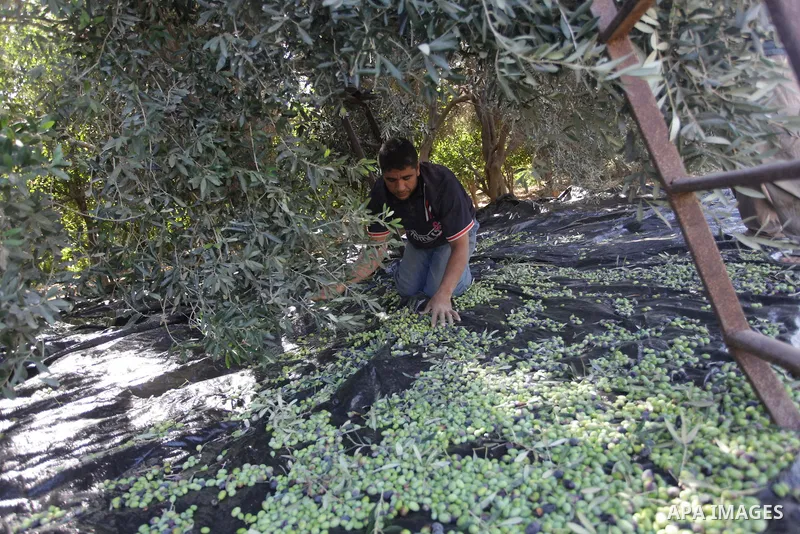
A Palestinian farmer picks olives at an olive orchard in Gaza City, 20 October 2013. Regional farmers are harvesting their olives this year from mid-October until 01 November. According to figures issued by the United Nations some 80,000 Palestinian families earn their income from growing olives in plantations which reportedly occupy about 48 per cent of the agricultural land in the West Bank and Gaza strip. About 93 per cent of the olive harvest pressed to oil with the rest being used in soap production. Photo by Ashraf Amra
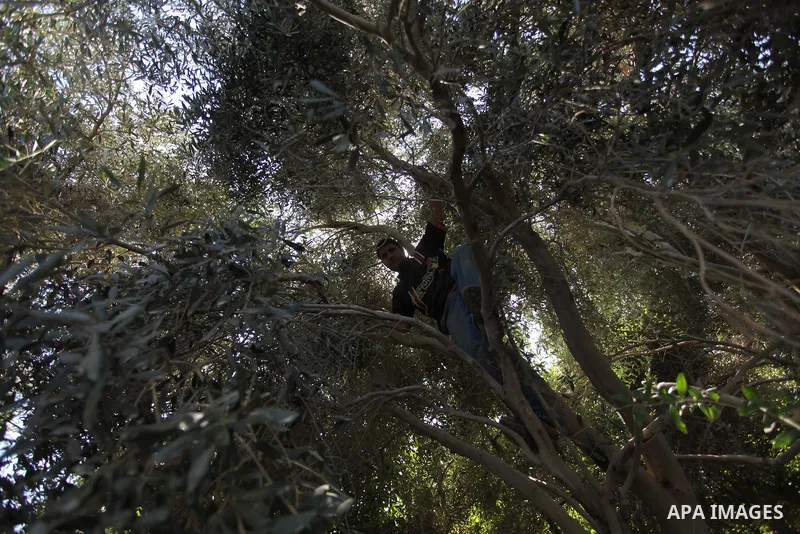
A Palestinian farmer picks olives at an olive orchard in Gaza City, 20 October 2013. Regional farmers are harvesting their olives this year from mid-October until 01 November. According to figures issued by the United Nations some 80,000 Palestinian families earn their income from growing olives in plantations which reportedly occupy about 48 per cent of the agricultural land in the West Bank and Gaza strip. About 93 per cent of the olive harvest pressed to oil with the rest being used in soap production. Photo by Ashraf Amra
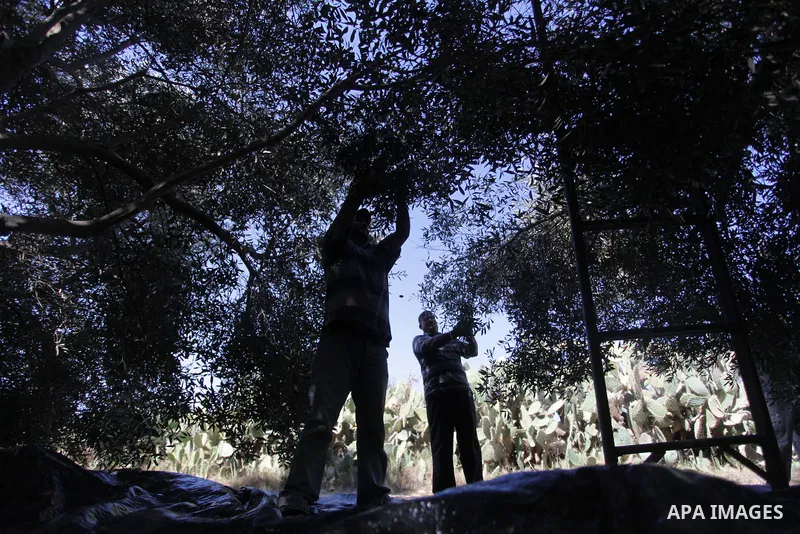
Palestinian farmers pick olives at an olive orchard in Gaza City, 20 October 2013. Regional farmers are harvesting their olives this year from mid-October until 01 November. According to figures issued by the United Nations some 80,000 Palestinian families earn their income from growing olives in plantations which reportedly occupy about 48 per cent of the agricultural land in the West Bank and Gaza strip. About 93 per cent of the olive harvest pressed to oil with the rest being used in soap production. Photo by Ashraf Amra

A Palestinian farmer picks olives at an olive orchard in Gaza City, 20 October 2013. Regional farmers are harvesting their olives this year from mid-October until 01 November. According to figures issued by the United Nations some 80,000 Palestinian families earn their income from growing olives in plantations which reportedly occupy about 48 per cent of the agricultural land in the West Bank and Gaza strip. About 93 per cent of the olive harvest pressed to oil with the rest being used in soap production. Photo by Ashraf Amra
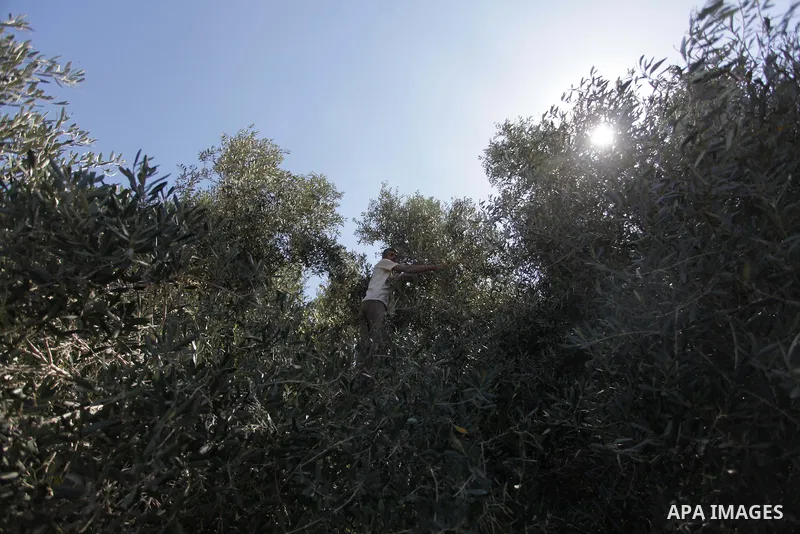
A Palestinian farmer picks olives at an olive orchard in Gaza City, 20 October 2013. Regional farmers are harvesting their olives this year from mid-October until 01 November. According to figures issued by the United Nations some 80,000 Palestinian families earn their income from growing olives in plantations which reportedly occupy about 48 per cent of the agricultural land in the West Bank and Gaza strip. About 93 per cent of the olive harvest pressed to oil with the rest being used in soap production. Photo by Ashraf Amra
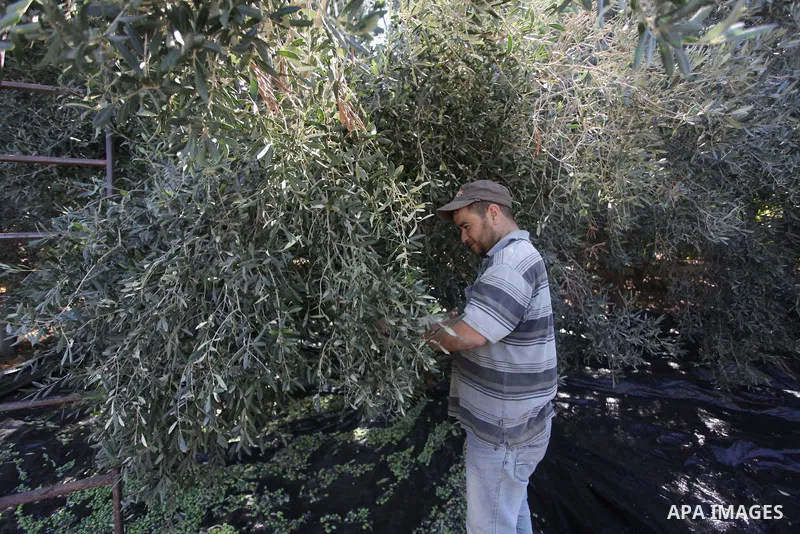
A Palestinian farmer picks olives at an olive orchard in Gaza City, 20 October 2013. Regional farmers are harvesting their olives this year from mid-October until 01 November. According to figures issued by the United Nations some 80,000 Palestinian families earn their income from growing olives in plantations which reportedly occupy about 48 per cent of the agricultural land in the West Bank and Gaza strip. About 93 per cent of the olive harvest pressed to oil with the rest being used in soap production. Photo by Ashraf Amra
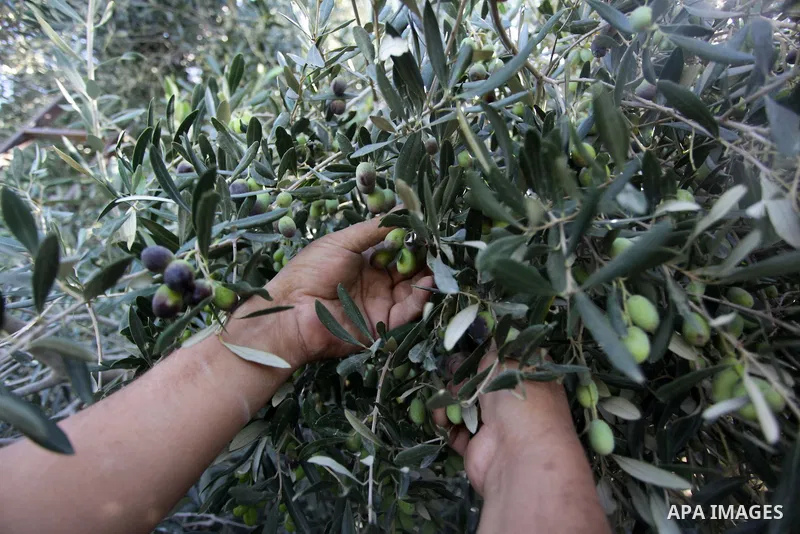
A Palestinian farmer picks olives at an olive orchard in Gaza City, 20 October 2013. Regional farmers are harvesting their olives this year from mid-October until 01 November. According to figures issued by the United Nations some 80,000 Palestinian families earn their income from growing olives in plantations which reportedly occupy about 48 per cent of the agricultural land in the West Bank and Gaza strip. About 93 per cent of the olive harvest pressed to oil with the rest being used in soap production. Photo by Ashraf Amra

A Palestinian youth looks on olive oil after olives have been pressed at a traditional stone press in the West Bank city of Nablus, 20 October 2013. Regional farmers are harvesting their olives this year from mid-October until 01 November. According to figures issued by the United Nations some 80,000 Palestinian families earn their income from growing olives in plantations which reportedly occupy about 48 per cent of the agricultural land in the West Bank and Gaza strip. About 93 per cent of the olive harvest pressed to oil with the rest being used in soap production. Photo by Nedal Eshtayah
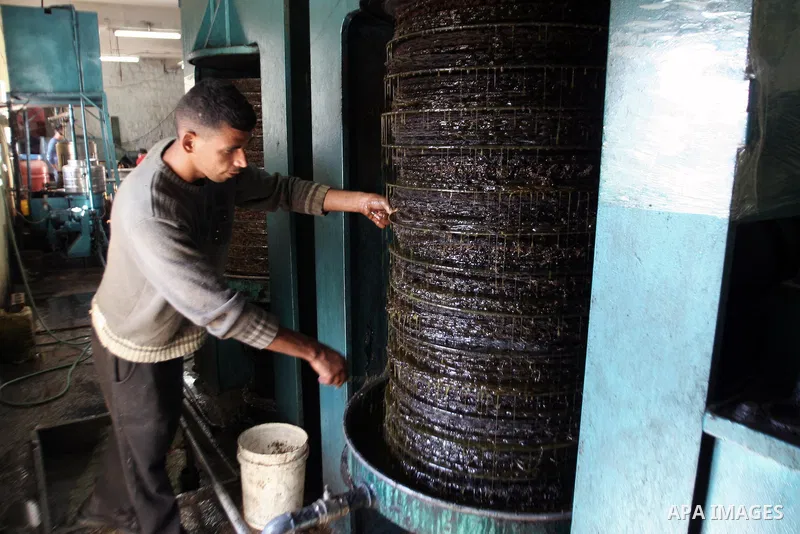
A Palestinian worker prepares crushed olives between metal plates at a traditional stone press in the West Bank city of Nablus, 20 October 2013. Regional farmers are harvesting their olives this year from mid-October until 01 November. According to figures issued by the United Nations some 80,000 Palestinian families earn their income from growing olives in plantations which reportedly occupy about 48 per cent of the agricultural land in the West Bank and Gaza strip. About 93 per cent of the olive harvest pressed to oil with the rest being used in soap production. Photo by Nedal Eshtayah

Palestinian workers press olives at a traditional stone press in the West Bank city of Nablus, 20 October 2013. Regional farmers are harvesting their olives this year from mid-October until 01 November. According to figures issued by the United Nations some 80,000 Palestinian families earn their income from growing olives in plantations which reportedly occupy about 48 per cent of the agricultural land in the West Bank and Gaza strip. About 93 per cent of the olive harvest pressed to oil with the rest being used in soap production. Photo by Nedal Eshtayah
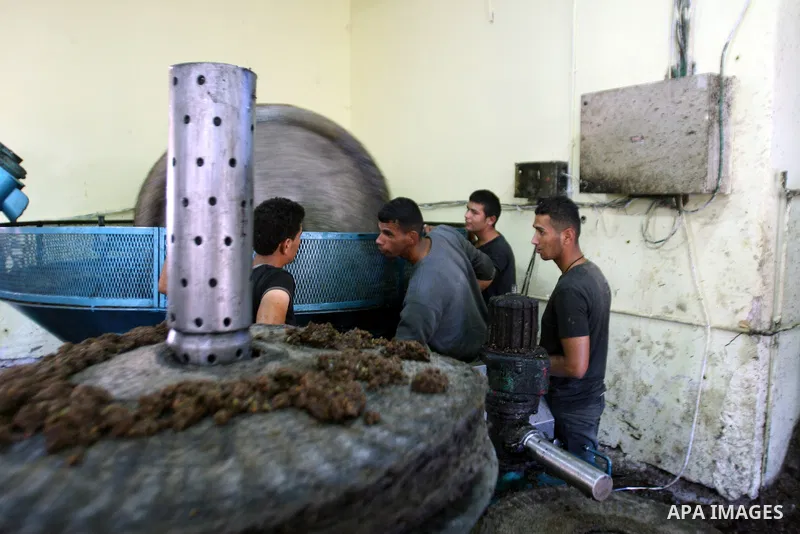
Palestinian workers press olives at a traditional stone press in the West Bank city of Nablus, 20 October 2013. Regional farmers are harvesting their olives this year from mid-October until 01 November. According to figures issued by the United Nations some 80,000 Palestinian families earn their income from growing olives in plantations which reportedly occupy about 48 per cent of the agricultural land in the West Bank and Gaza strip. About 93 per cent of the olive harvest pressed to oil with the rest being used in soap production. Photo by Nedal Eshtayah
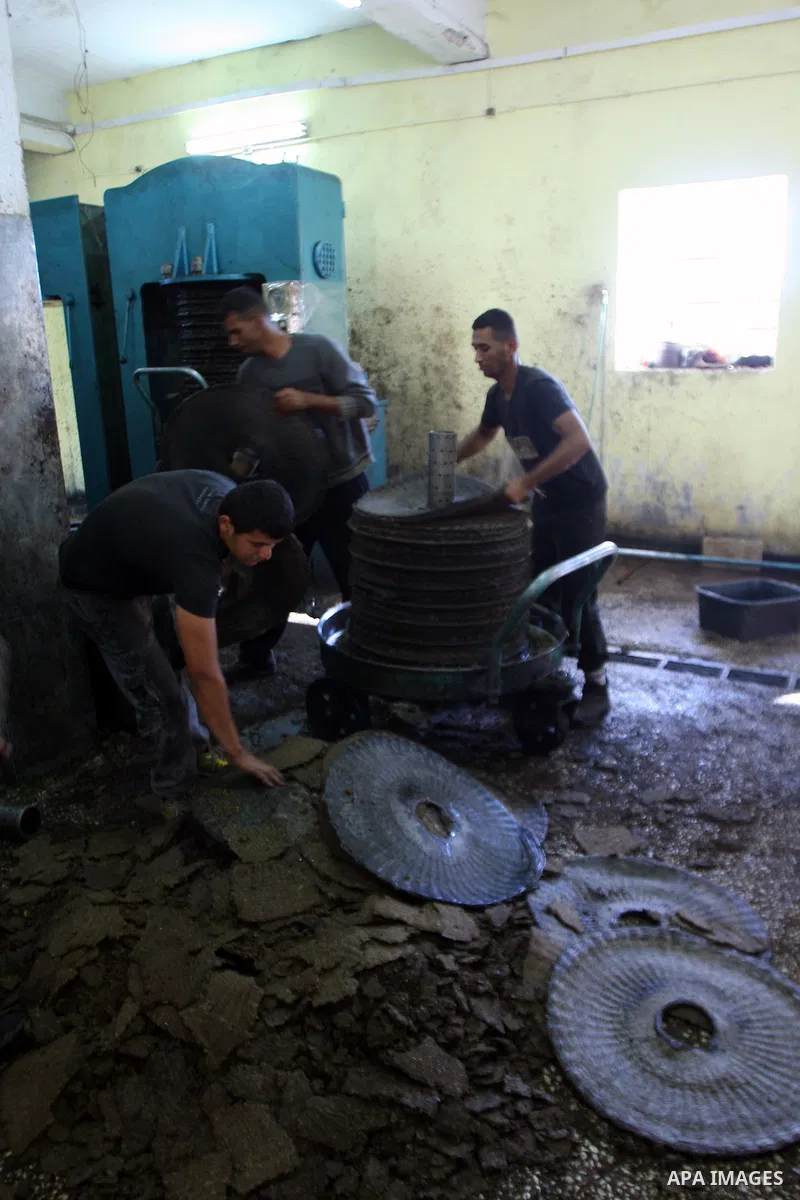
Palestinian workers prepare crushed olives between metal plates at a traditional stone press in the West Bank city of Nablus, 20 October 2013. Regional farmers are harvesting their olives this year from mid-October until 01 November. According to figures issued by the United Nations some 80,000 Palestinian families earn their income from growing olives in plantations which reportedly occupy about 48 per cent of the agricultural land in the West Bank and Gaza strip. About 93 per cent of the olive harvest pressed to oil with the rest being used in soap production. Photo by Nedal Eshtayah

A Palestinian man olive farmer checks damage to his olive tree that allegedly was cut down by Israeli settlers from the settlement of Elie close to the village of Qaryout, near the West Bank City of Nablus, on 19 October 2013. More than 80 olive trees were cut down by the settlers , according to residents of the village and international activists. Photo by Nedal Eshtayah
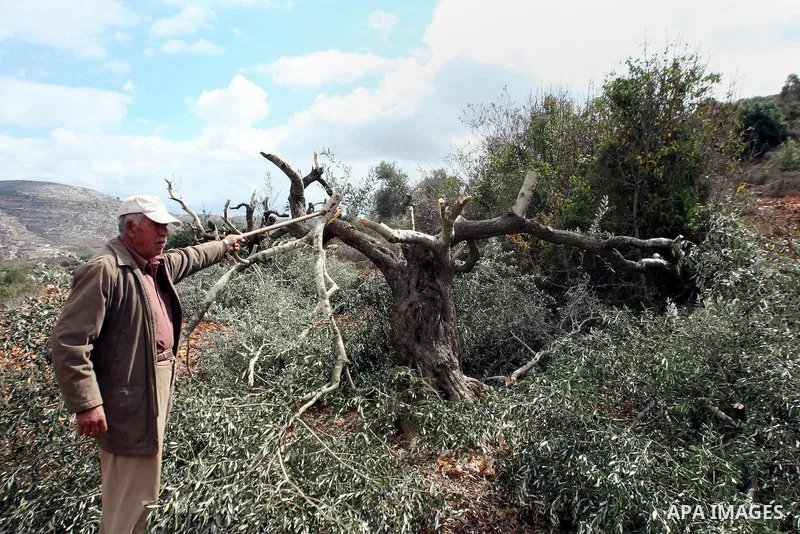
A Palestinian man olive farmer checks damage to his olive tree that allegedly was cut down by Israeli settlers from the settlement of Elie close to the village of Qaryout, near the West Bank City of Nablus, on 19 October 2013. More than 80 olive trees were cut down by the settlers , according to residents of the village and international activists. Photo by Nedal Eshtayah
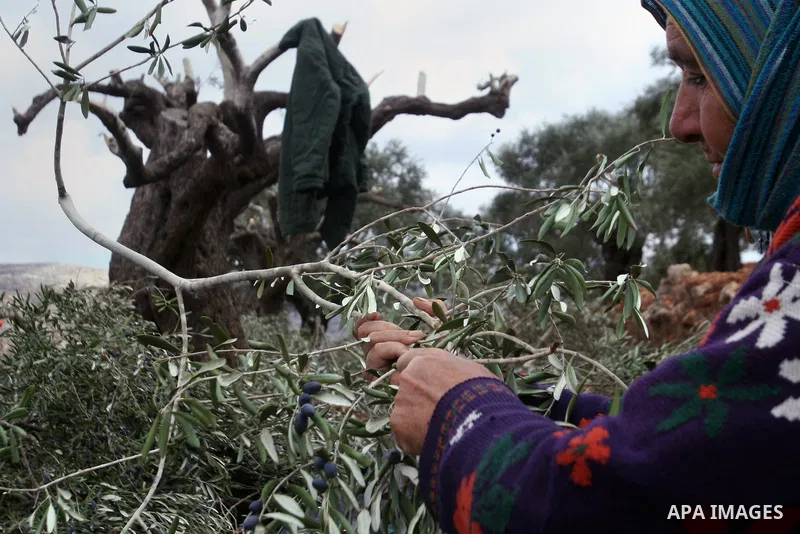
A Palestinian woman olive farmer checks damage to her olive tree that allegedly was cut down by Israeli settlers from the settlement of Elie close to the village of Qaryout, near the West Bank City of Nablus, on 19 October 2013. More than 80 olive trees were cut down by the settlers , according to residents of the village and international activists. Photo by Nedal Eshtayah

Palestinian boys play in a playground, in East Jerusalem, near Jerusalem's Old City during the Fourth day of the Muslim festival of Eid Al-Adha, 18 October 2013.. Photo by Saeed Qaq
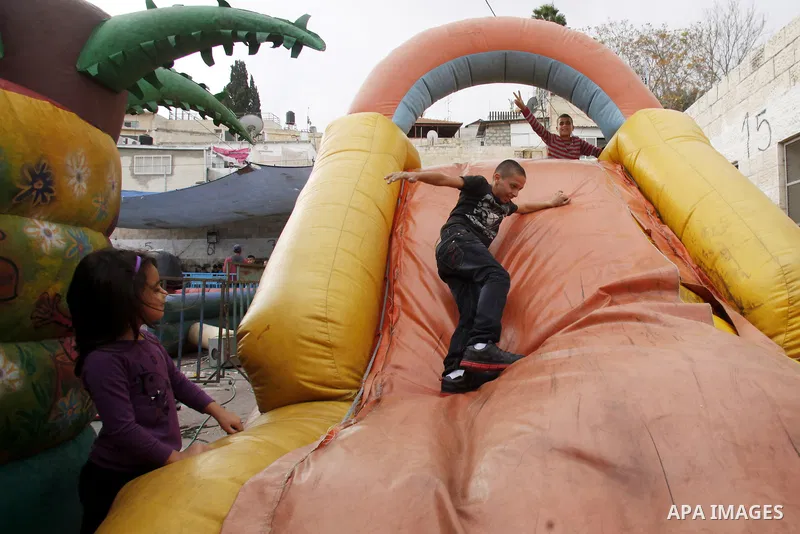
Palestinian boys play in a playground, in East Jerusalem, near Jerusalem's Old City during the Fourth day of the Muslim festival of Eid Al-Adha, 18 October 2013.. Photo by Saeed Qaq
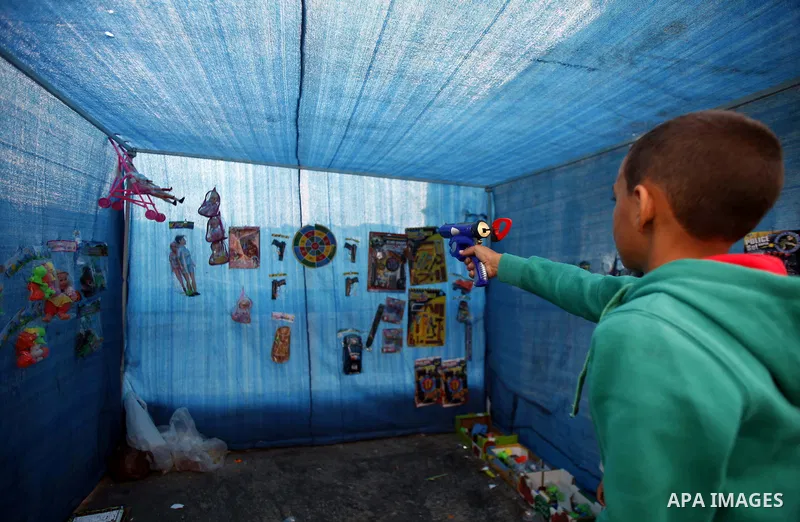
Palestinian boys play in a playground, in East Jerusalem, near Jerusalem's Old City during the Fourth day of the Muslim festival of Eid Al-Adha, 18 October 2013.. Photo by Saeed Qaq
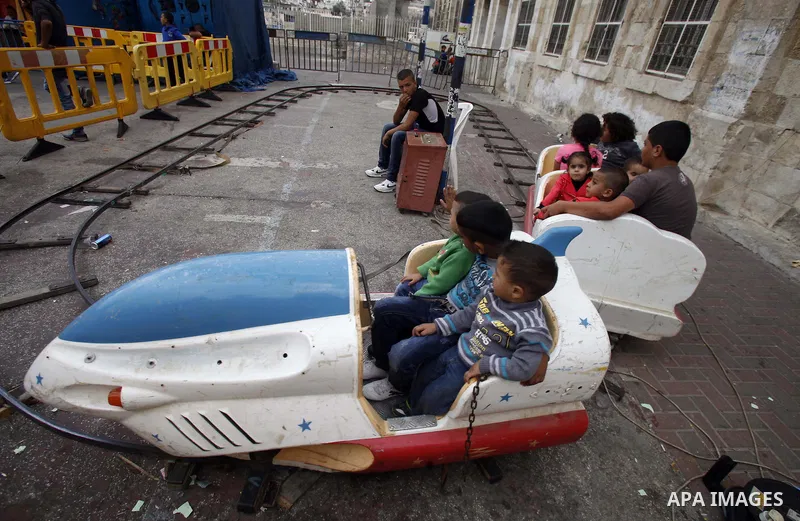
Palestinian boys play in a playground, in East Jerusalem, near Jerusalem's Old City during the Fourth day of the Muslim festival of Eid Al-Adha, 18 October 2013.. Photo by Saeed Qaq

Palestinian boys play in a playground, in East Jerusalem, near Jerusalem's Old City during the Fourth day of the Muslim festival of Eid Al-Adha, 18 October 2013.. Photo by Saeed Qaq
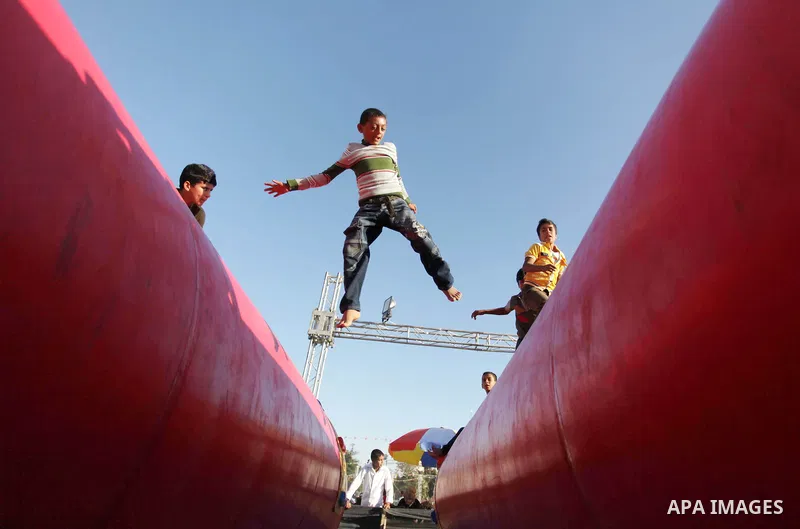
Palestinians enjoy their Eid Al-Adha Holiday at an Amusement park in Gaza city on Oct. 17, 2013. Muslims across the world celebrate the festival of Eid al-Adha to commemorate the willingness of Abraham to sacrifice his son as an act of obedience to God. Photo by Ashraf Amra
Collection
Nov 2008 – Aug 2023

Collection
Jan 2020 – Nov 2026

Collection
Feb 2020 – Nov 2026
Collection
31 Oct 2026
Watermarked preview. The licensed file is delivered in full quality without the watermark.
Contact APA for available qualities and pricing.
Request commercial, exclusive, documentary, or other custom rights for this material.
Find photos, videos and stories in your language.
Try asking