
غير متاحة

مجموعة
رياضة
نوفمبر 2008 – أغسطس 2023
- 4,235 صورة
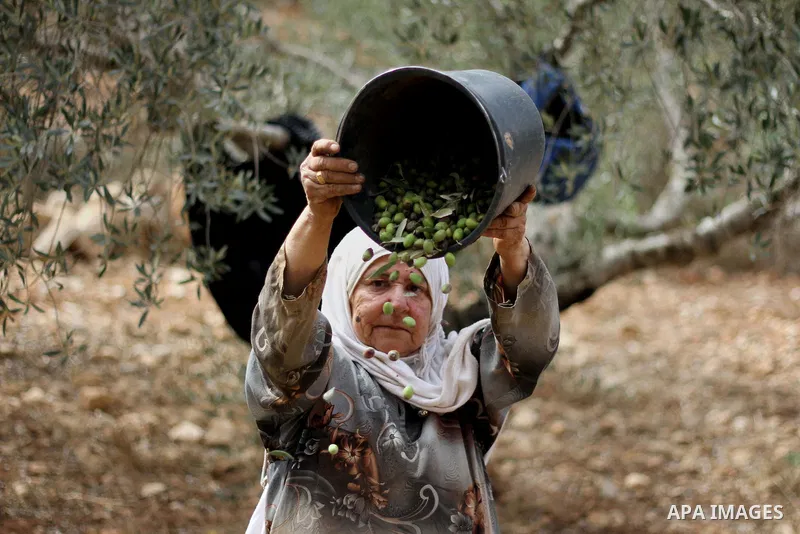
A Palestinian farmer sorts olives at an olive orchard in the West Bank city of Ramallah, 21 October 2013. Regional farmers are harvesting their olives this year from mid-October until 01 November. According to figures issued by the United Nations some 80,000 Palestinian families earn their income from growing olives in plantations which reportedly occupy about 48 per cent of the agricultural land in the West Bank and Gaza strip. About 93 per cent of the olive harvest pressed to oil with the rest being used in soap production. Photo by Issam Rimawi
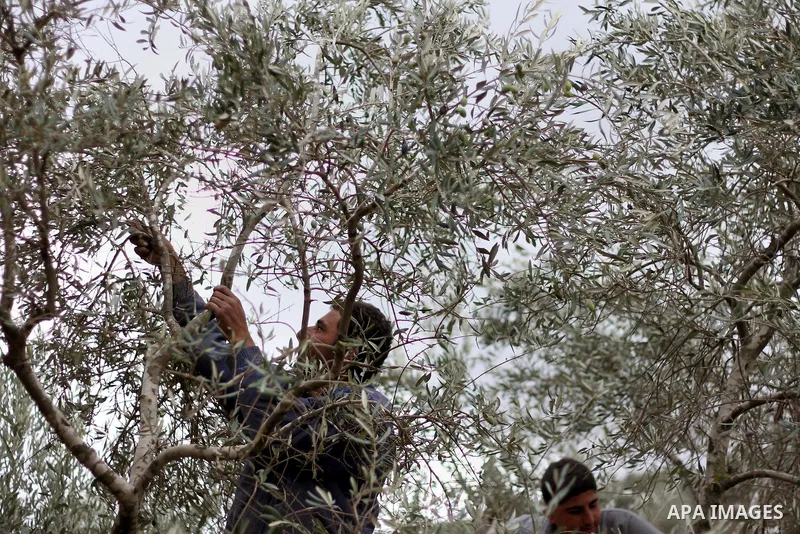
A Palestinian farmer sorts olives at an olive orchard in the West Bank city of Ramallah, 21 October 2013. Regional farmers are harvesting their olives this year from mid-October until 01 November. According to figures issued by the United Nations some 80,000 Palestinian families earn their income from growing olives in plantations which reportedly occupy about 48 per cent of the agricultural land in the West Bank and Gaza strip. About 93 per cent of the olive harvest pressed to oil with the rest being used in soap production. Photo by Issam Rimawi
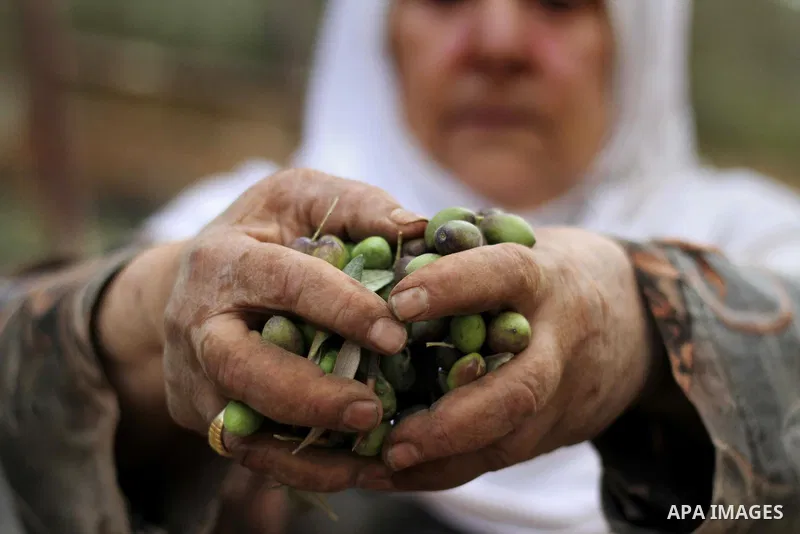
A Palestinian farmer sorts olives at an olive orchard in the West Bank city of Ramallah, 21 October 2013. Regional farmers are harvesting their olives this year from mid-October until 01 November. According to figures issued by the United Nations some 80,000 Palestinian families earn their income from growing olives in plantations which reportedly occupy about 48 per cent of the agricultural land in the West Bank and Gaza strip. About 93 per cent of the olive harvest pressed to oil with the rest being used in soap production. Photo by Issam Rimawi
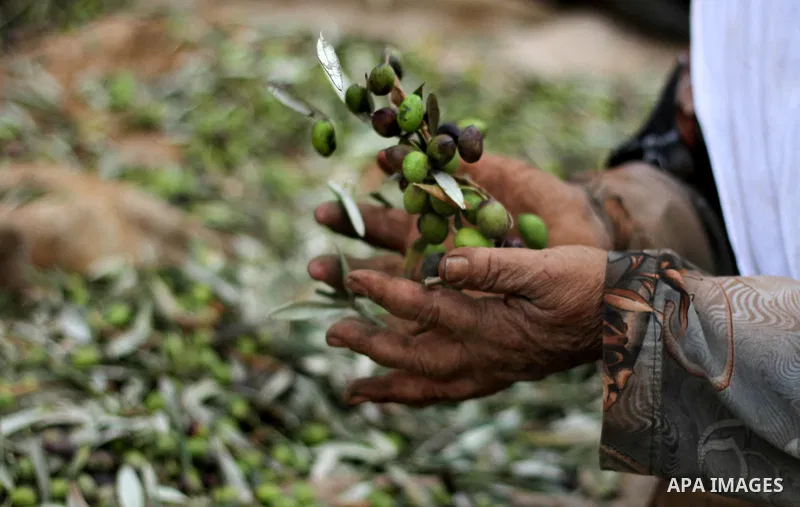
A Palestinian farmer sorts olives at an olive orchard in the West Bank city of Ramallah, 21 October 2013. Regional farmers are harvesting their olives this year from mid-October until 01 November. According to figures issued by the United Nations some 80,000 Palestinian families earn their income from growing olives in plantations which reportedly occupy about 48 per cent of the agricultural land in the West Bank and Gaza strip. About 93 per cent of the olive harvest pressed to oil with the rest being used in soap production. Photo by Issam Rimawi
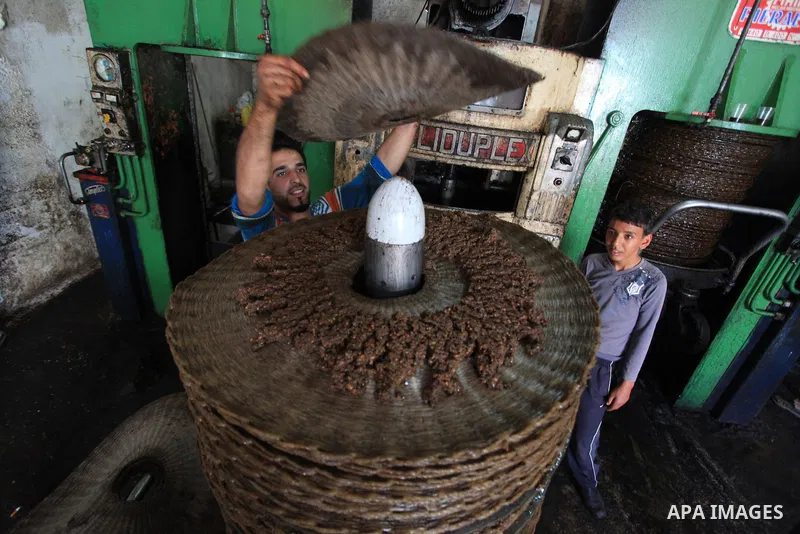
Palestinian workers prepare crushed olives between metal plates at a traditional stone press in the West Bank city of Ramallah, 21 October 2013. Regional farmers are harvesting their olives this year from mid-October until 01 November. According to figures issued by the United Nations some 80,000 Palestinian families earn their income from growing olives in plantations which reportedly occupy about 48 per cent of the agricultural land in the West Bank and Gaza strip. About 93 per cent of the olive harvest pressed to oil with the rest being used in soap production. Photo by Issam Rimawi
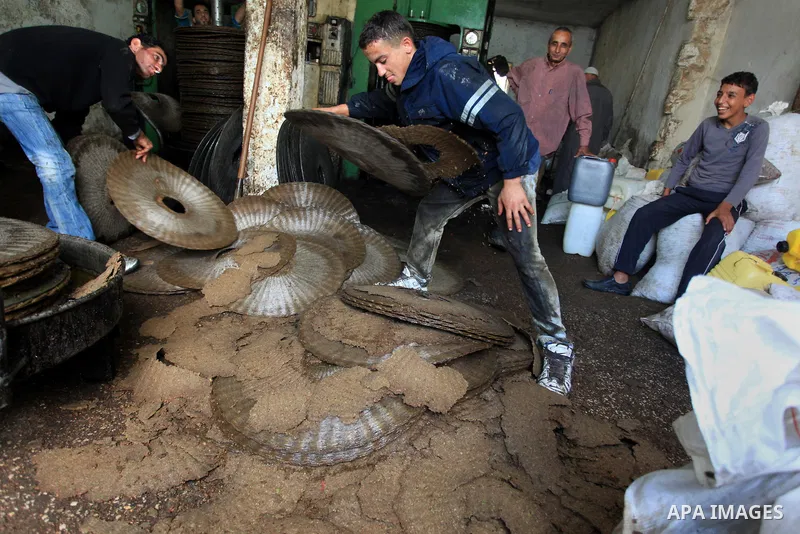
Palestinian workers prepare crushed olives between metal plates at a traditional stone press in the West Bank city of Ramallah, 21 October 2013. Regional farmers are harvesting their olives this year from mid-October until 01 November. According to figures issued by the United Nations some 80,000 Palestinian families earn their income from growing olives in plantations which reportedly occupy about 48 per cent of the agricultural land in the West Bank and Gaza strip. About 93 per cent of the olive harvest pressed to oil with the rest being used in soap production. Photo by Issam Rimawi

Palestinian workers prepare crushed olives between metal plates at a traditional stone press in the West Bank city of Ramallah, 21 October 2013. Regional farmers are harvesting their olives this year from mid-October until 01 November. According to figures issued by the United Nations some 80,000 Palestinian families earn their income from growing olives in plantations which reportedly occupy about 48 per cent of the agricultural land in the West Bank and Gaza strip. About 93 per cent of the olive harvest pressed to oil with the rest being used in soap production. Photo by Issam Rimawi
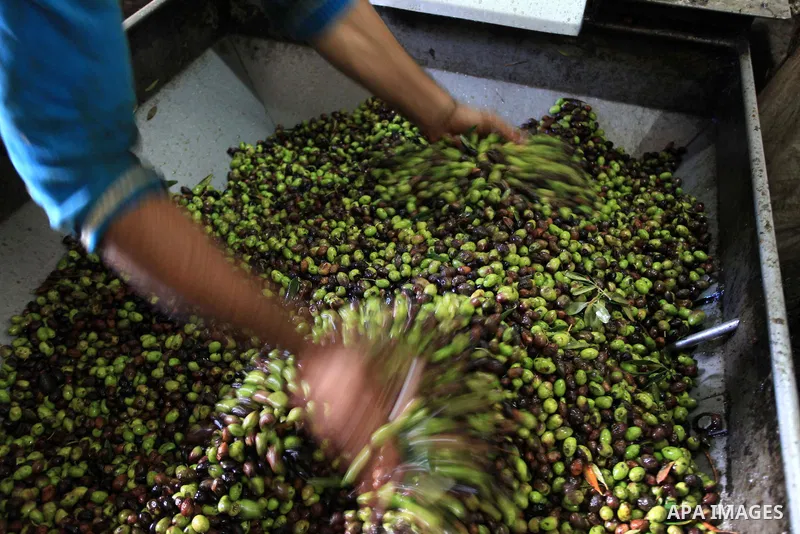
Palestinian workers sort olives before pressing at a traditional stone press in the West Bank city of Ramallah, 21 October 2013. Regional farmers are harvesting their olives this year from mid-October until 01 November. According to figures issued by the United Nations some 80,000 Palestinian families earn their income from growing olives in plantations which reportedly occupy about 48 per cent of the agricultural land in the West Bank and Gaza strip. About 93 per cent of the olive harvest pressed to oil with the rest being used in soap production. Photo by Issam Rimawi
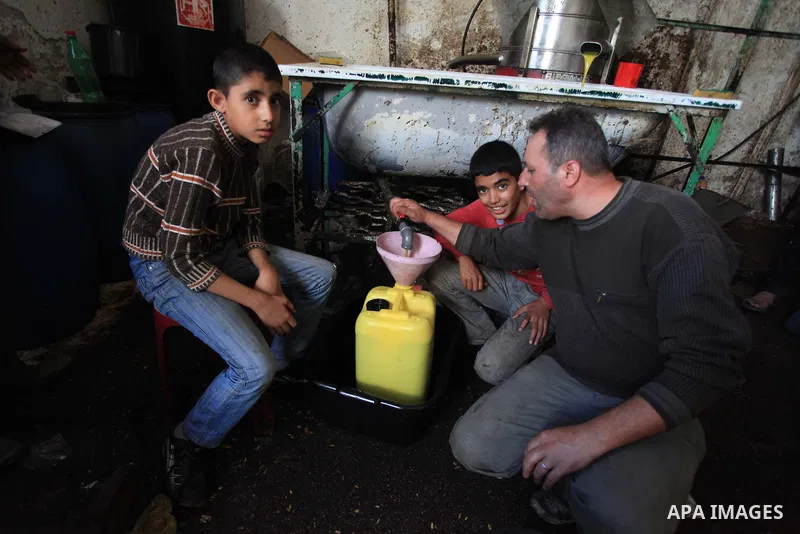
Palestinian workers prepare crushed olives between metal plates at a traditional stone press in the West Bank city of Ramallah, 21 October 2013. Regional farmers are harvesting their olives this year from mid-October until 01 November. According to figures issued by the United Nations some 80,000 Palestinian families earn their income from growing olives in plantations which reportedly occupy about 48 per cent of the agricultural land in the West Bank and Gaza strip. About 93 per cent of the olive harvest pressed to oil with the rest being used in soap production. Photo by Issam Rimawi
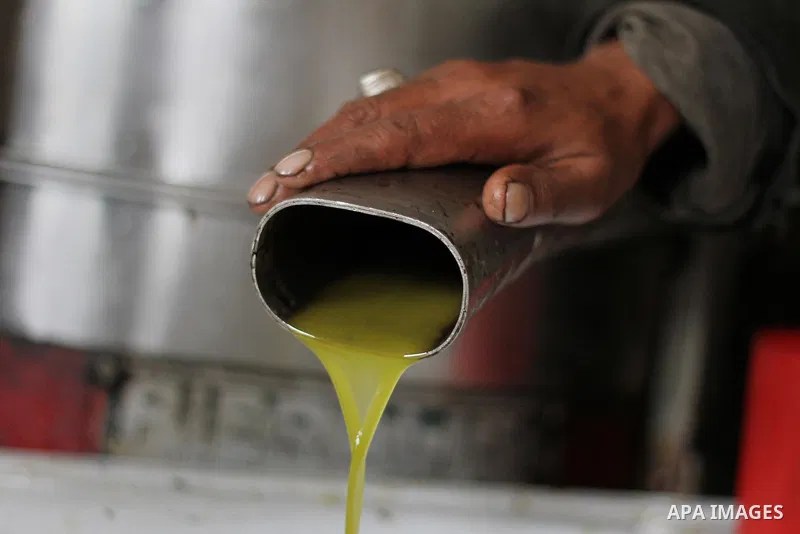
A Palestinian worker presses olives at a traditional stone press in the West Bank city of Ramallah, 21 October 2013. Regional farmers are harvesting their olives this year from mid-October until 01 November. According to figures issued by the United Nations some 80,000 Palestinian families earn their income from growing olives in plantations which reportedly occupy about 48 per cent of the agricultural land in the West Bank and Gaza strip. About 93 per cent of the olive harvest pressed to oil with the rest being used in soap production. Photo by Issam Rimawi
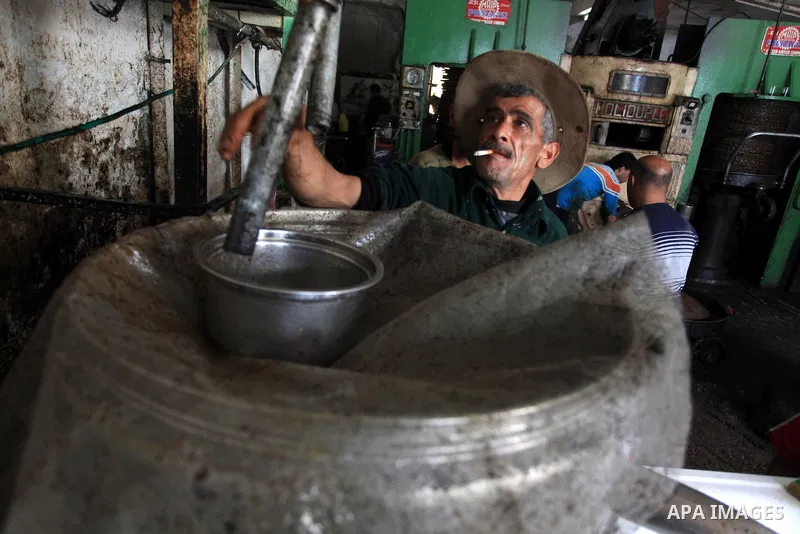
Palestinian workers prepare crushed olives between metal plates at a traditional stone press in the West Bank city of Ramallah, 21 October 2013. Regional farmers are harvesting their olives this year from mid-October until 01 November. According to figures issued by the United Nations some 80,000 Palestinian families earn their income from growing olives in plantations which reportedly occupy about 48 per cent of the agricultural land in the West Bank and Gaza strip. About 93 per cent of the olive harvest pressed to oil with the rest being used in soap production. Photo by Issam Rimawi
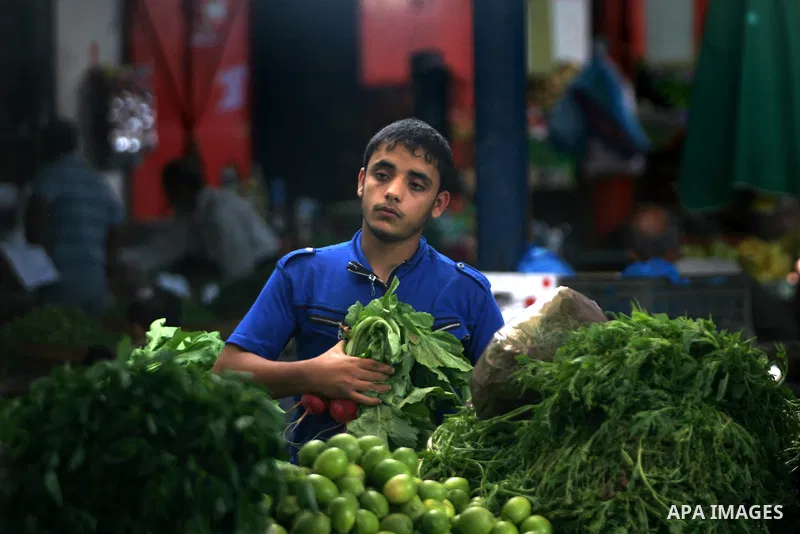
A Palestinian man sells an vegetables at the market in Rafah southern Gaza strip, on Oct. 21, 2013. Photo by Eyad Al Baba
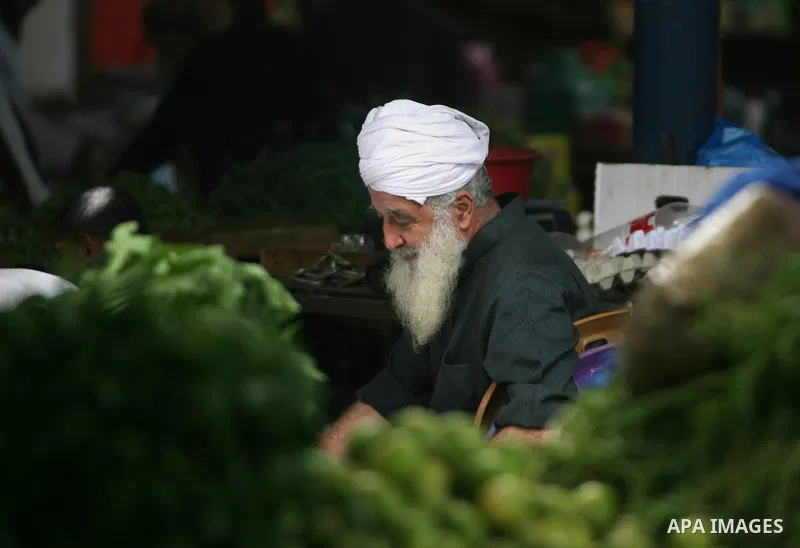
A Palestinian man sells an vegetables at the market in Rafah southern Gaza strip, on Oct. 21, 2013. Photo by Eyad Al Baba
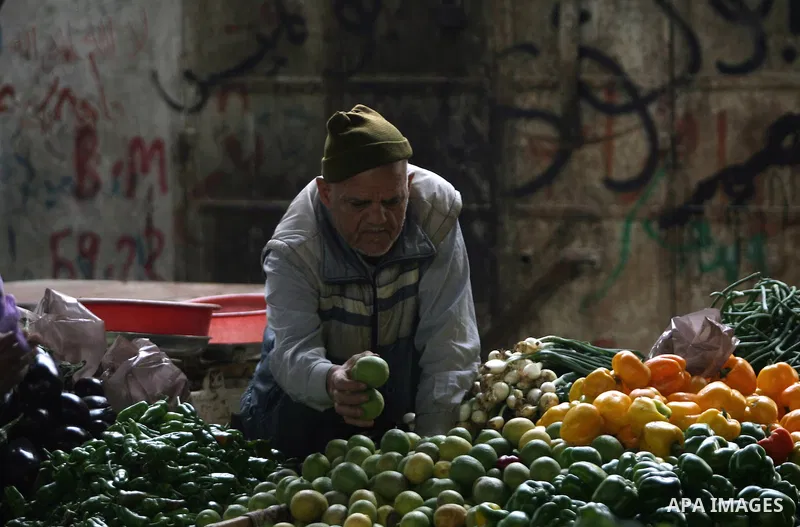
A Palestinian man sells an vegetables at the market in Rafah southern Gaza strip, on Oct. 21, 2013. Photo by Eyad Al Baba
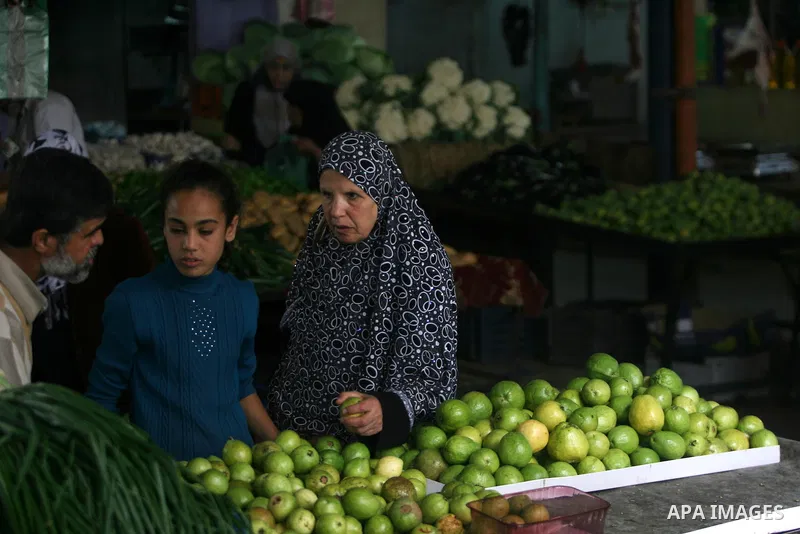
Palestinians shop at the market in Rafah southern Gaza strip, on Oct. 21, 2013. Photo by Eyad Al Baba

Palestinians shop at the market in Rafah southern Gaza strip, on Oct. 21, 2013. Photo by Eyad Al Baba
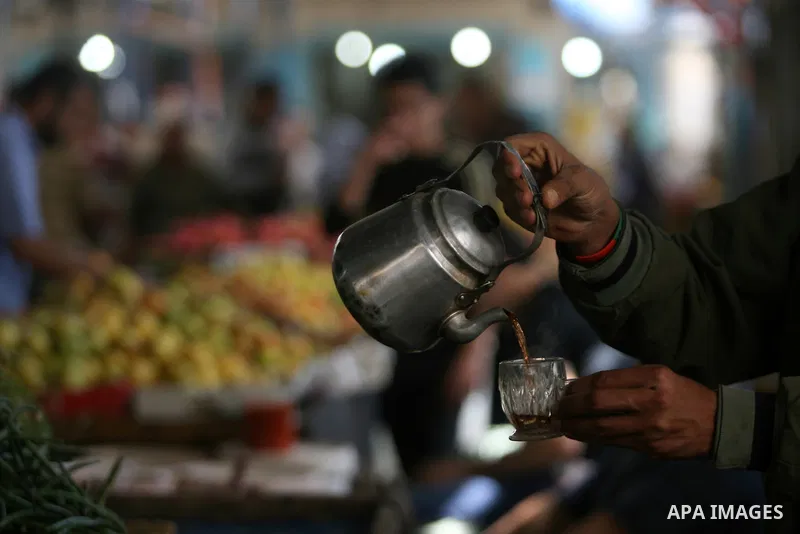
A Palestinian man sells a tea at the market in Rafah southern Gaza strip, on Oct. 21, 2013. Photo by Eyad Al Baba
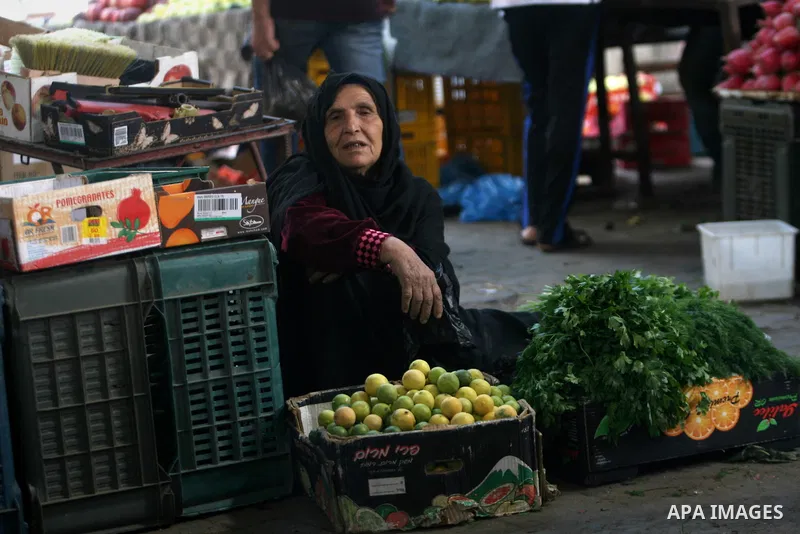
A Palestinian woman sells an vegetables at the market in Rafah southern Gaza strip, on Oct. 21, 2013. Photo by Eyad Al Baba
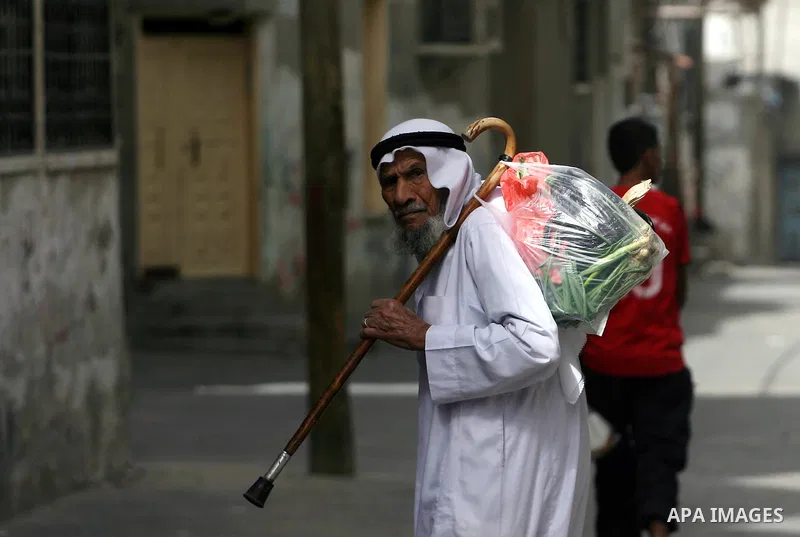
A Palestinian man buys an vegetables at the market in Rafah southern Gaza strip, on Oct. 21, 2013. Photo by Eyad Al Baba
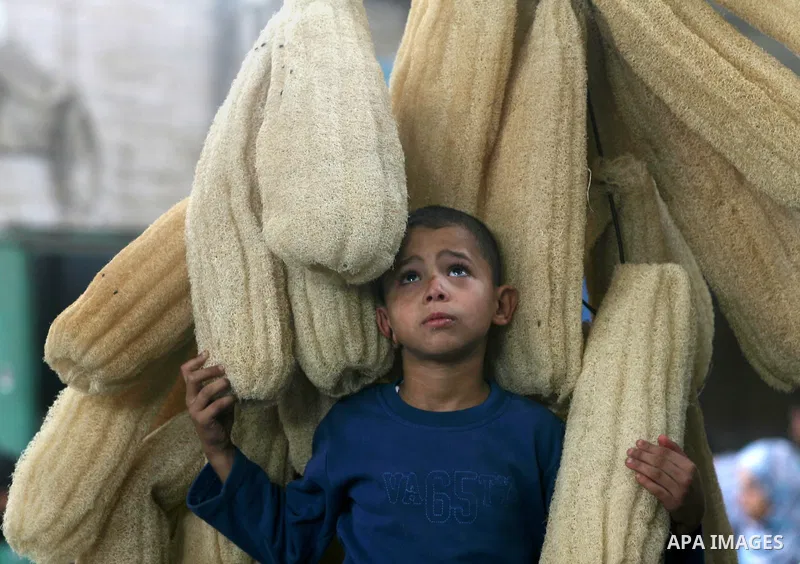
A Palestinian man sells a lev at the market in Rafah southern Gaza strip, on Oct. 21, 2013. Photo by Eyad Al Baba

Palestinians shop at the market in Rafah southern Gaza strip, on Oct. 21, 2013. Photo by Eyad Al Baba

Palestinian farmers sort olives at an olive orchard at Beit Awa town west of the West Bank city of Hebron, 21 October 2013. Regional farmers are harvesting their olives this year from mid-October until 01 November. According to figures issued by the United Nations some 80,000 Palestinian families earn their income from growing olives in plantations which reportedly occupy about 48 per cent of the agricultural land in the West Bank and Gaza strip. About 93 per cent of the olive harvest pressed to oil with the rest being used in soap production. Photo by Mamoun Wazwaz

A Palestinian farmer sorts olives at an olive orchard at Beit Awa town west of the West Bank city of Hebron, 21 October 2013. Regional farmers are harvesting their olives this year from mid-October until 01 November. According to figures issued by the United Nations some 80,000 Palestinian families earn their income from growing olives in plantations which reportedly occupy about 48 per cent of the agricultural land in the West Bank and Gaza strip. About 93 per cent of the olive harvest pressed to oil with the rest being used in soap production. Photo by Mamoun Wazwaz
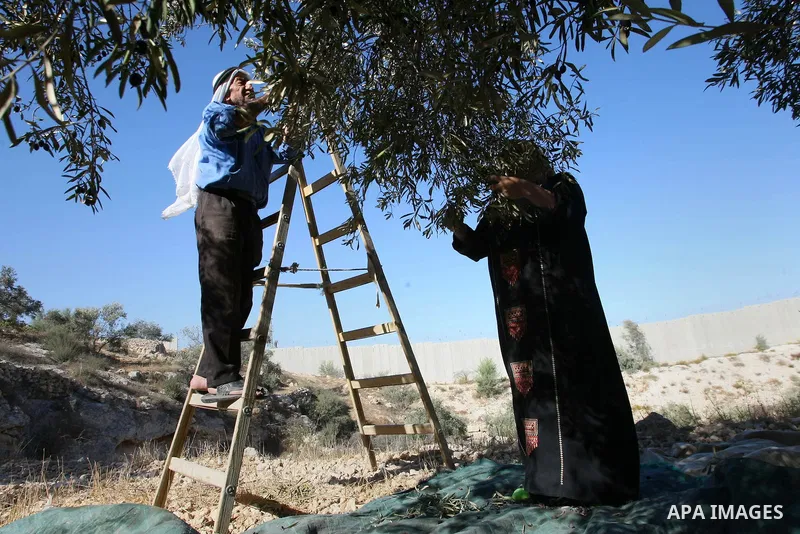
Palestinian farmers sort olives at an olive orchard at Beit Awa town west of the West Bank city of Hebron, 21 October 2013. Regional farmers are harvesting their olives this year from mid-October until 01 November. According to figures issued by the United Nations some 80,000 Palestinian families earn their income from growing olives in plantations which reportedly occupy about 48 per cent of the agricultural land in the West Bank and Gaza strip. About 93 per cent of the olive harvest pressed to oil with the rest being used in soap production. Photo by Mamoun Wazwaz
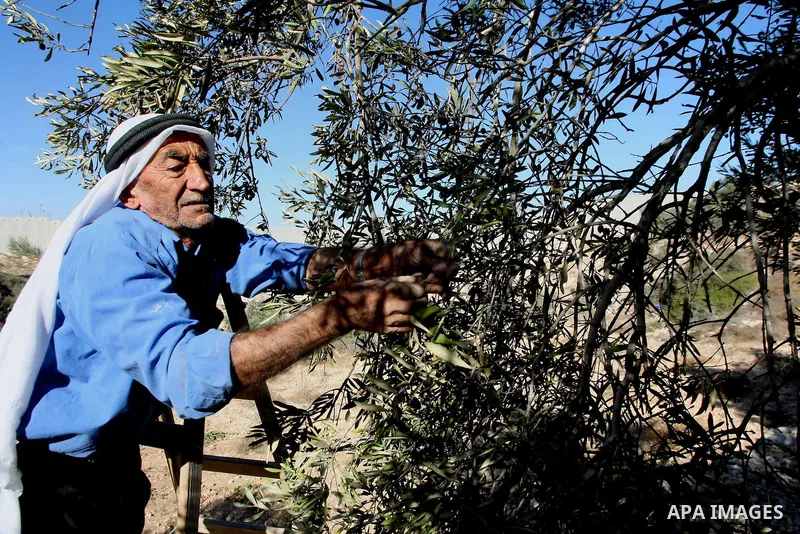
A Palestinian farmer sorts olives at an olive orchard at Beit Awa town west of the West Bank city of Hebron, 21 October 2013. Regional farmers are harvesting their olives this year from mid-October until 01 November. According to figures issued by the United Nations some 80,000 Palestinian families earn their income from growing olives in plantations which reportedly occupy about 48 per cent of the agricultural land in the West Bank and Gaza strip. About 93 per cent of the olive harvest pressed to oil with the rest being used in soap production. Photo by Mamoun Wazwaz
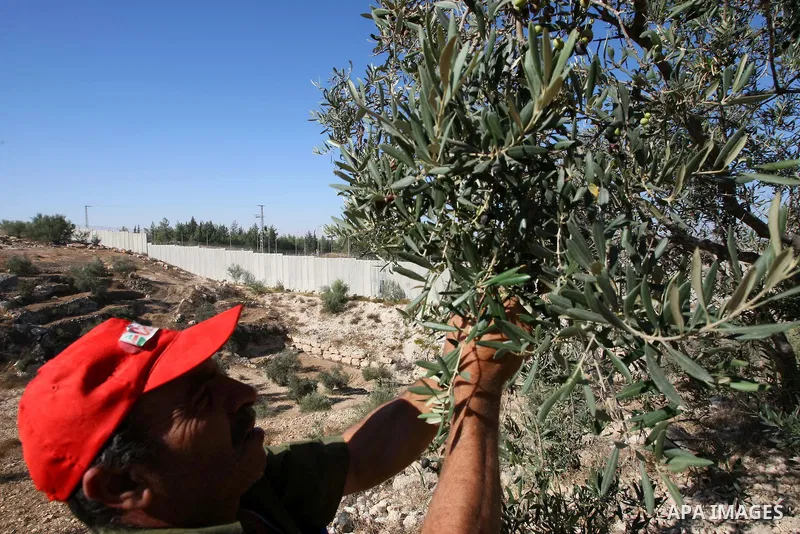
A Palestinian farmer sorts olives at an olive orchard at Beit Awa town west of the West Bank city of Hebron, 21 October 2013. Regional farmers are harvesting their olives this year from mid-October until 01 November. According to figures issued by the United Nations some 80,000 Palestinian families earn their income from growing olives in plantations which reportedly occupy about 48 per cent of the agricultural land in the West Bank and Gaza strip. About 93 per cent of the olive harvest pressed to oil with the rest being used in soap production. Photo by Mamoun Wazwaz
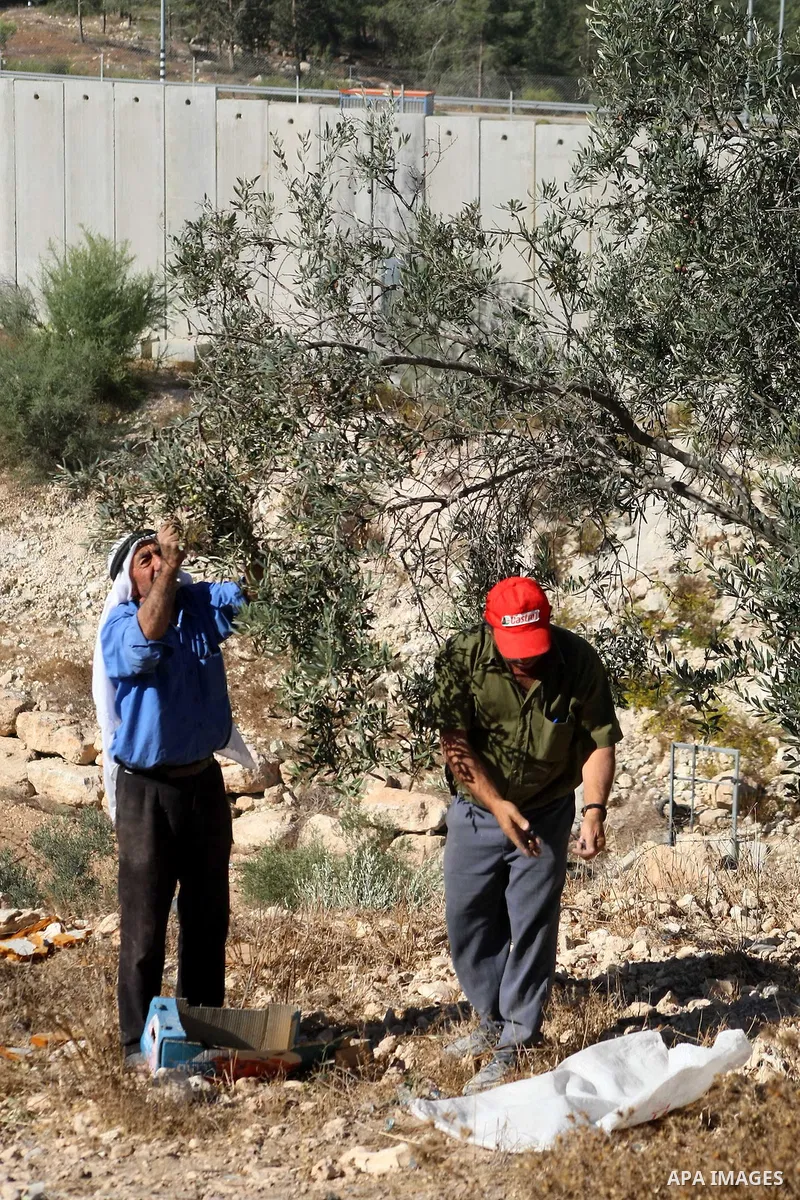
Palestinian farmers sort olives at an olive orchard at Beit Awa town west of the West Bank city of Hebron, 21 October 2013. Regional farmers are harvesting their olives this year from mid-October until 01 November. According to figures issued by the United Nations some 80,000 Palestinian families earn their income from growing olives in plantations which reportedly occupy about 48 per cent of the agricultural land in the West Bank and Gaza strip. About 93 per cent of the olive harvest pressed to oil with the rest being used in soap production. Photo by Mamoun Wazwaz
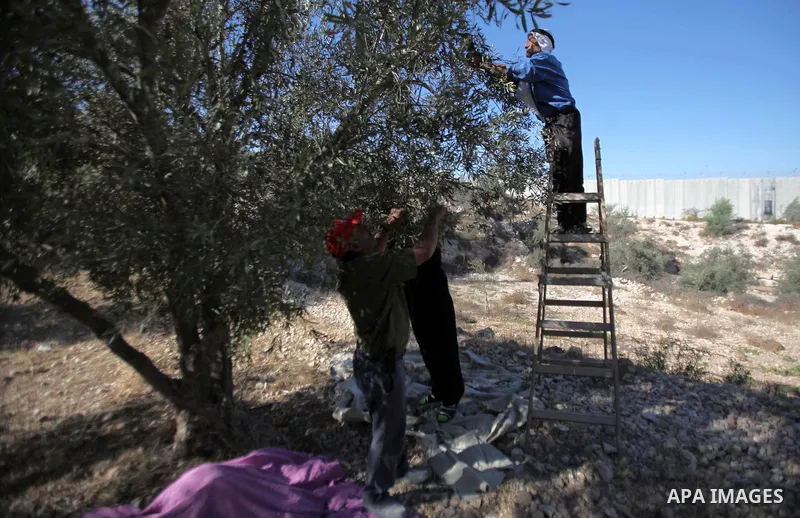
Palestinian farmers sort olives at an olive orchard at Beit Awa town west of the West Bank city of Hebron, 21 October 2013. Regional farmers are harvesting their olives this year from mid-October until 01 November. According to figures issued by the United Nations some 80,000 Palestinian families earn their income from growing olives in plantations which reportedly occupy about 48 per cent of the agricultural land in the West Bank and Gaza strip. About 93 per cent of the olive harvest pressed to oil with the rest being used in soap production. Photo by Mamoun Wazwaz
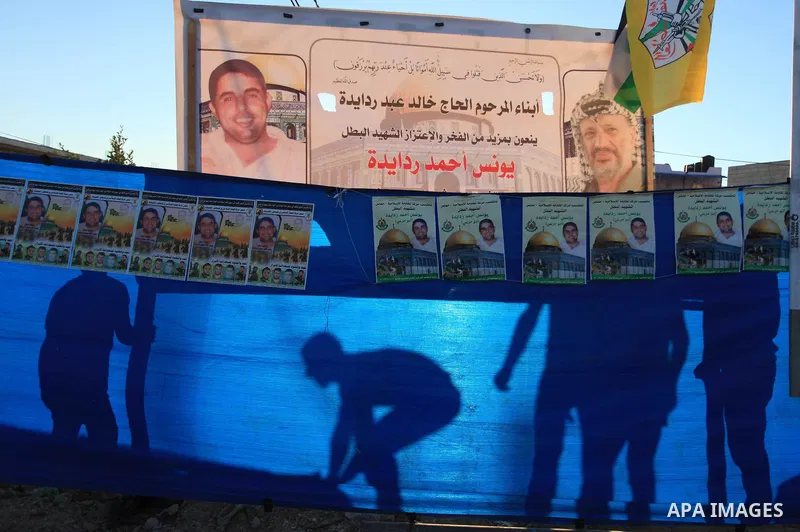
Palestinian youths gather in front of Younis al-Radaideh's home, a Palestinian man killed by Israeli forces, in Ubiedyeh village near the West Bank city of Bethlehem, Oct. 20, 2013. Israeli authorities refused, on Sunday, handing the body of Younis Ahmed Radaideh, 28, who was killed last Thursday by Israeli forces after drove a tractor into an army base north of Jerusalem, according to Israeli media and a military official. Photo by Issam Rimawi
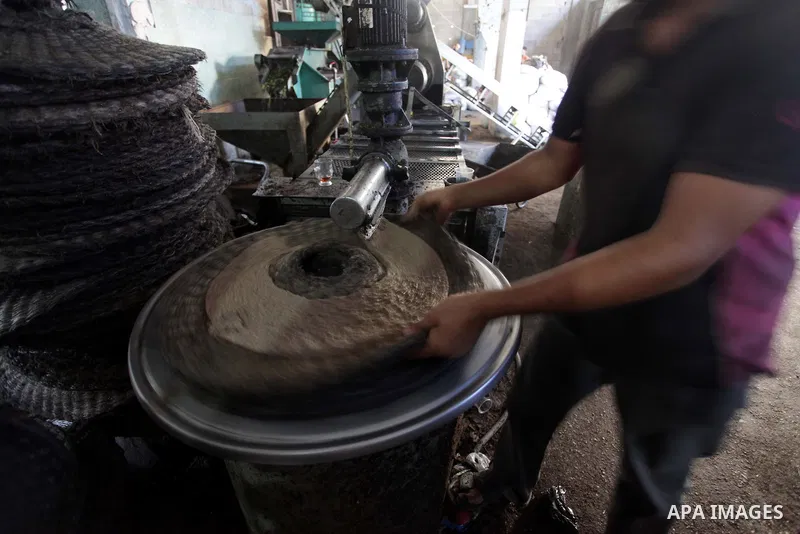
A Palestinian worker presses olives at a traditional stone press in Gaza City, 20 October 2013. Regional farmers are harvesting their olives this year from mid-October until 01 November. According to figures issued by the United Nations some 80,000 Palestinian families earn their income from growing olives in plantations which reportedly occupy about 48 per cent of the agricultural land in the West Bank and Gaza strip. About 93 per cent of the olive harvest pressed to oil with the rest being used in soap production. Photo by Ashraf Amra
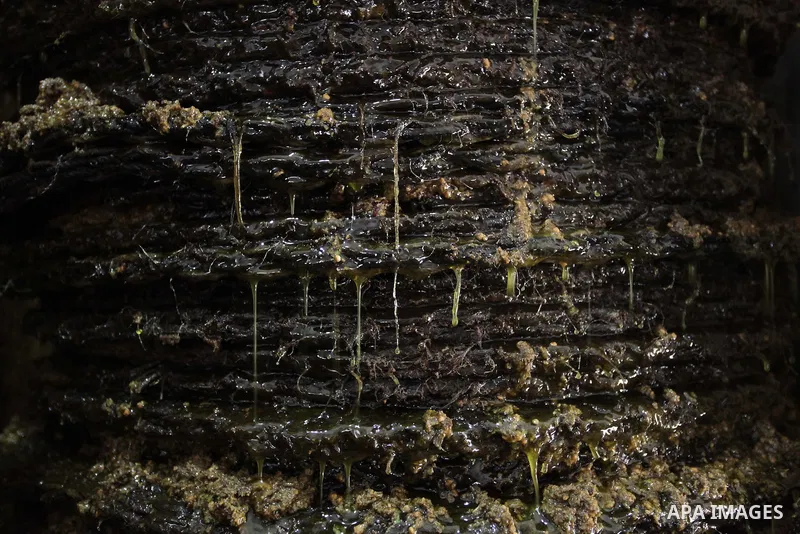
A picture taken on October 20, 2013 shows olive oil after olives have been pressed between metal plates at a traditional stone press in Gaza City. Regional farmers are harvesting their olives this year from mid-October until 01 November. According to figures issued by the United Nations some 80,000 Palestinian families earn their income from growing olives in plantations which reportedly occupy about 48 per cent of the agricultural land in the West Bank and Gaza strip. About 93 per cent of the olive harvest pressed to oil with the rest being used in soap production. Photo by Ashraf Amra
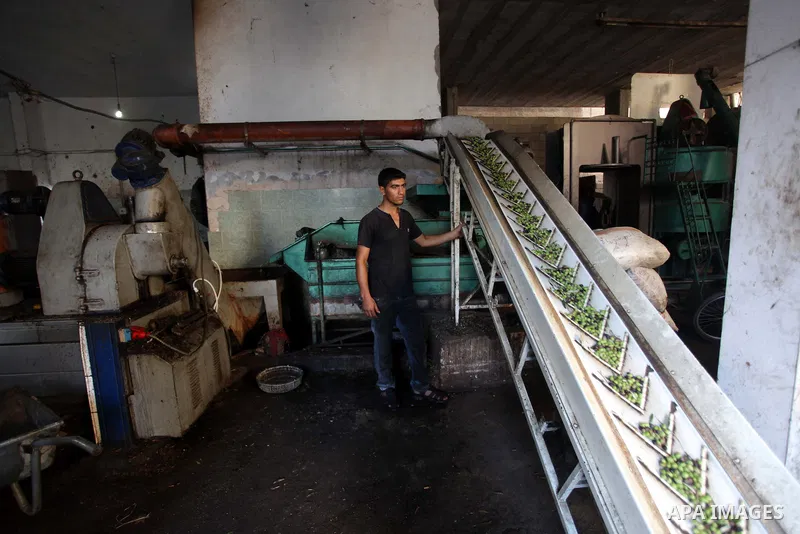
A Palestinian worker presses olives at a traditional stone press in Gaza City, 20 October 2013. Regional farmers are harvesting their olives this year from mid-October until 01 November. According to figures issued by the United Nations some 80,000 Palestinian families earn their income from growing olives in plantations which reportedly occupy about 48 per cent of the agricultural land in the West Bank and Gaza strip. About 93 per cent of the olive harvest pressed to oil with the rest being used in soap production. Photo by Ashraf Amra
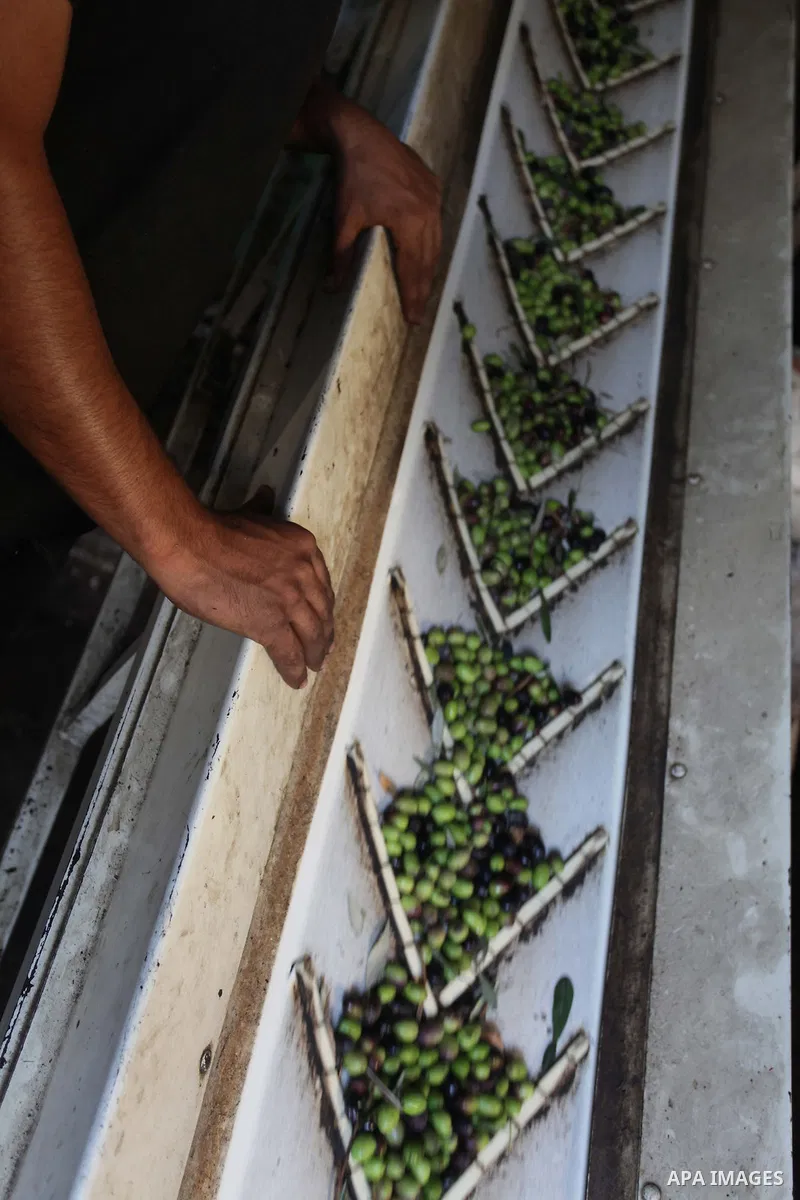
A Palestinian worker presses olives at a traditional stone press in Gaza City, 20 October 2013. Regional farmers are harvesting their olives this year from mid-October until 01 November. According to figures issued by the United Nations some 80,000 Palestinian families earn their income from growing olives in plantations which reportedly occupy about 48 per cent of the agricultural land in the West Bank and Gaza strip. About 93 per cent of the olive harvest pressed to oil with the rest being used in soap production. Photo by Ashraf Amra
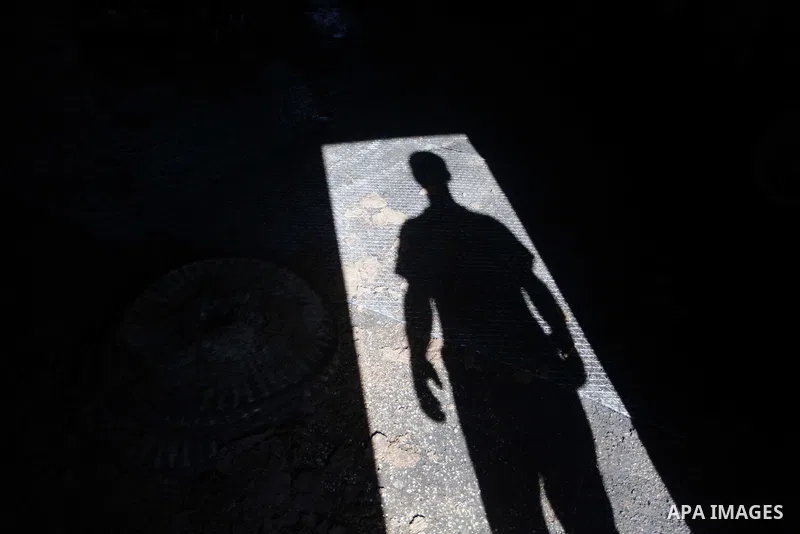
A Palestinian worker stands at the entrance of a traditional stone press in Gaza City, 20 October 2013. Regional farmers are harvesting their olives this year from mid-October until 01 November. According to figures issued by the United Nations some 80,000 Palestinian families earn their income from growing olives in plantations which reportedly occupy about 48 per cent of the agricultural land in the West Bank and Gaza strip. About 93 per cent of the olive harvest pressed to oil with the rest being used in soap production. Photo by Ashraf Amra
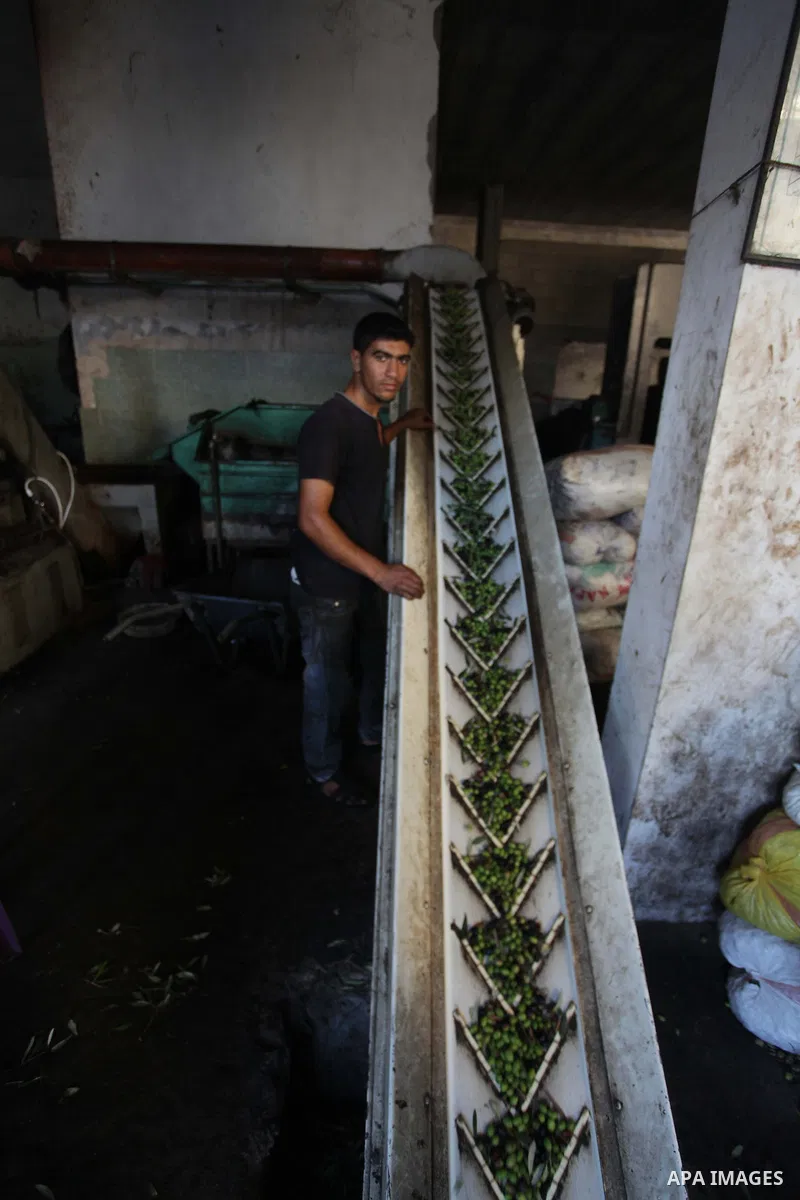
A Palestinian worker presses olives at a traditional stone press in Gaza City, 20 October 2013. Regional farmers are harvesting their olives this year from mid-October until 01 November. According to figures issued by the United Nations some 80,000 Palestinian families earn their income from growing olives in plantations which reportedly occupy about 48 per cent of the agricultural land in the West Bank and Gaza strip. About 93 per cent of the olive harvest pressed to oil with the rest being used in soap production. Photo by Ashraf Amra
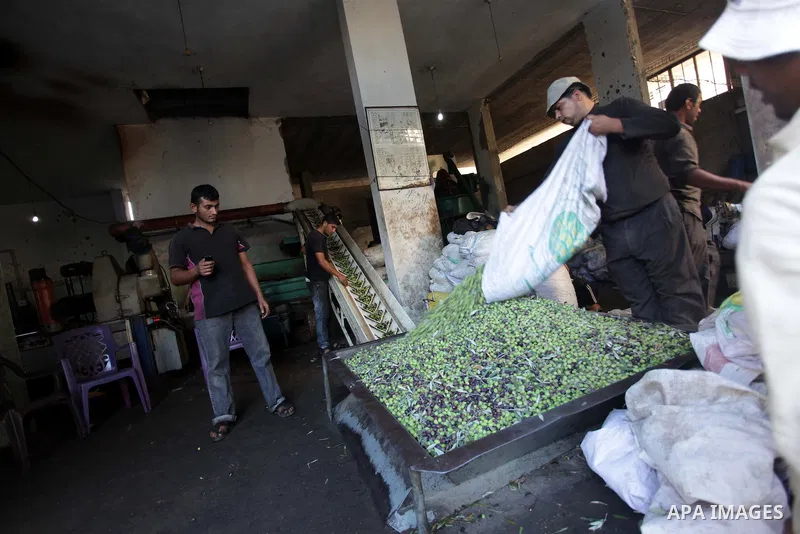
Palestinian workers sort olives before pressing at a traditional stone press in Gaza City, 20 October 2013. Regional farmers are harvesting their olives this year from mid-October until 01 November. According to figures issued by the United Nations some 80,000 Palestinian families earn their income from growing olives in plantations which reportedly occupy about 48 per cent of the agricultural land in the West Bank and Gaza strip. About 93 per cent of the olive harvest pressed to oil with the rest being used in soap production. Photo by Ashraf Amra
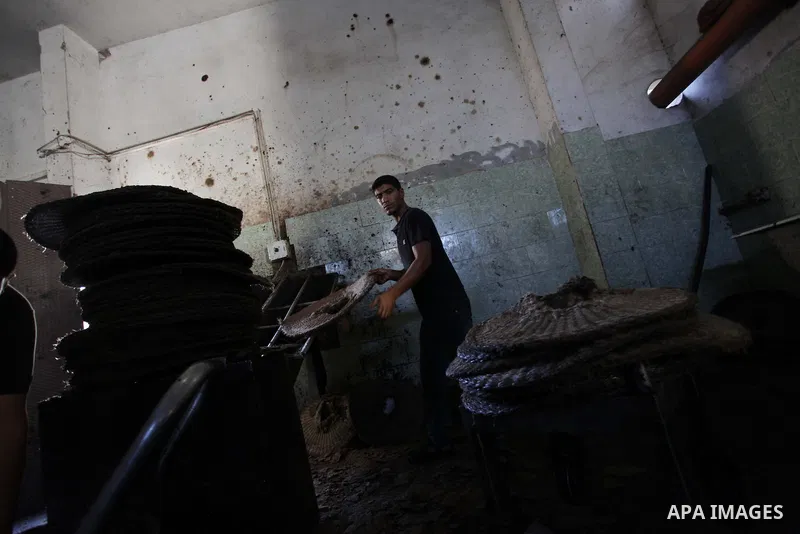
A Palestinian worker prepares crushed olives between metal plates at a traditional stone press in Gaza City, 20 October 2013. Regional farmers are harvesting their olives this year from mid-October until 01 November. According to figures issued by the United Nations some 80,000 Palestinian families earn their income from growing olives in plantations which reportedly occupy about 48 per cent of the agricultural land in the West Bank and Gaza strip. About 93 per cent of the olive harvest pressed to oil with the rest being used in soap production. Photo by Ashraf Amra

Palestinian workers sort olives before pressing at a traditional stone press in Gaza City, 20 October 2013. Regional farmers are harvesting their olives this year from mid-October until 01 November. According to figures issued by the United Nations some 80,000 Palestinian families earn their income from growing olives in plantations which reportedly occupy about 48 per cent of the agricultural land in the West Bank and Gaza strip. About 93 per cent of the olive harvest pressed to oil with the rest being used in soap production. Photo by Ashraf Amra
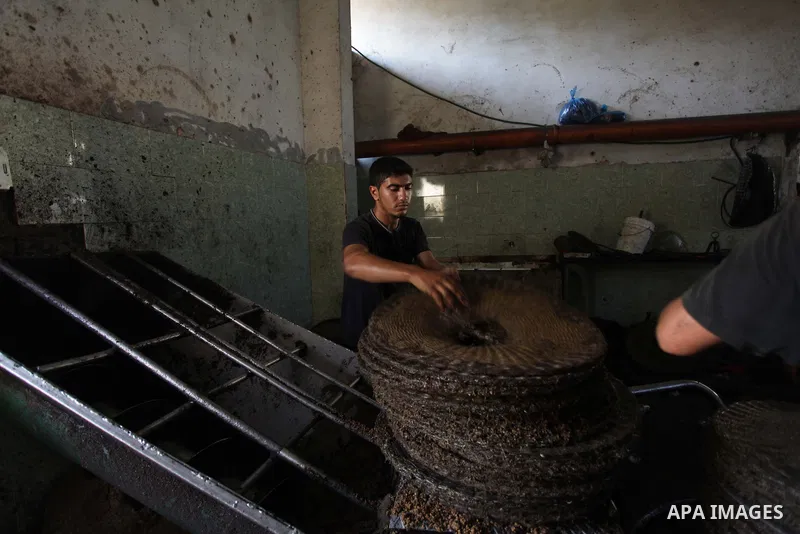
A Palestinian worker prepares crushed olives between metal plates at a traditional stone press in Gaza City, 20 October 2013. Regional farmers are harvesting their olives this year from mid-October until 01 November. According to figures issued by the United Nations some 80,000 Palestinian families earn their income from growing olives in plantations which reportedly occupy about 48 per cent of the agricultural land in the West Bank and Gaza strip. About 93 per cent of the olive harvest pressed to oil with the rest being used in soap production. Photo by Ashraf Amra
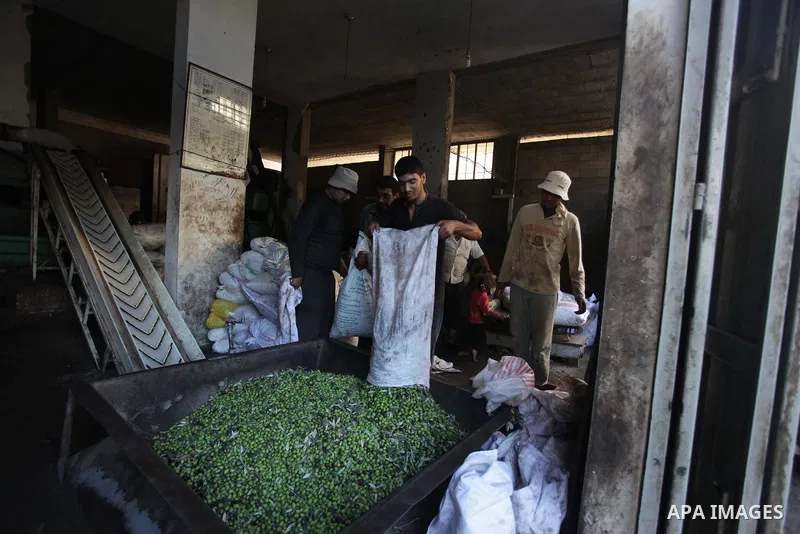
Palestinian workers sort olives before pressing at a traditional stone press in Gaza City, 20 October 2013. Regional farmers are harvesting their olives this year from mid-October until 01 November. According to figures issued by the United Nations some 80,000 Palestinian families earn their income from growing olives in plantations which reportedly occupy about 48 per cent of the agricultural land in the West Bank and Gaza strip. About 93 per cent of the olive harvest pressed to oil with the rest being used in soap production. Photo by Ashraf Amra
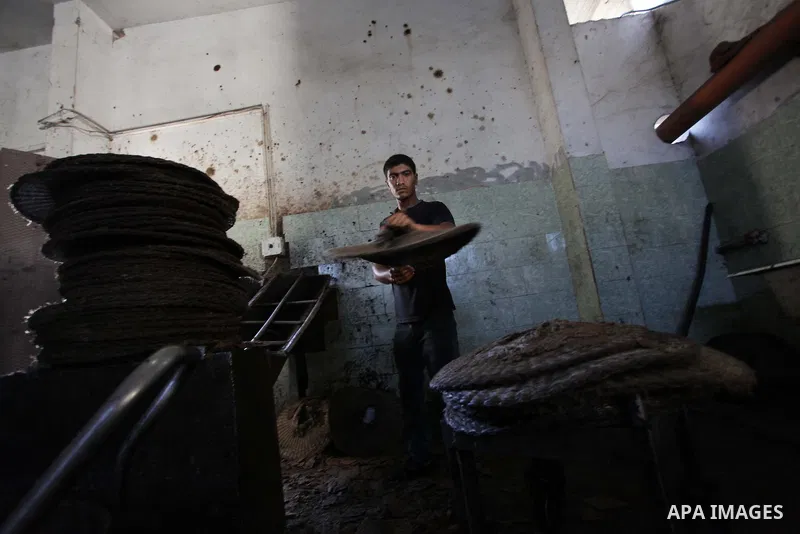
A Palestinian worker prepares crushed olives between metal plates at a traditional stone press in Gaza City, 20 October 2013. Regional farmers are harvesting their olives this year from mid-October until 01 November. According to figures issued by the United Nations some 80,000 Palestinian families earn their income from growing olives in plantations which reportedly occupy about 48 per cent of the agricultural land in the West Bank and Gaza strip. About 93 per cent of the olive harvest pressed to oil with the rest being used in soap production. Photo by Ashraf Amra
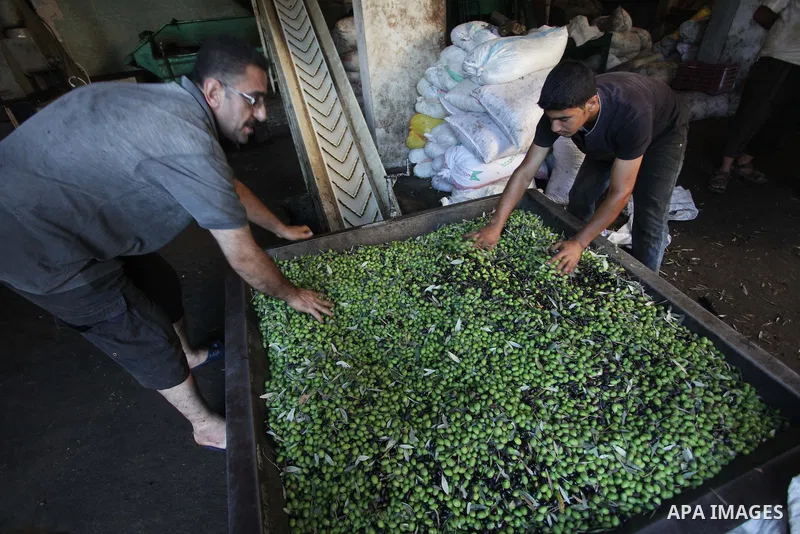
Palestinian workers sort olives before pressing at a traditional stone press in Gaza City, 20 October 2013. Regional farmers are harvesting their olives this year from mid-October until 01 November. According to figures issued by the United Nations some 80,000 Palestinian families earn their income from growing olives in plantations which reportedly occupy about 48 per cent of the agricultural land in the West Bank and Gaza strip. About 93 per cent of the olive harvest pressed to oil with the rest being used in soap production. Photo by Ashraf Amra
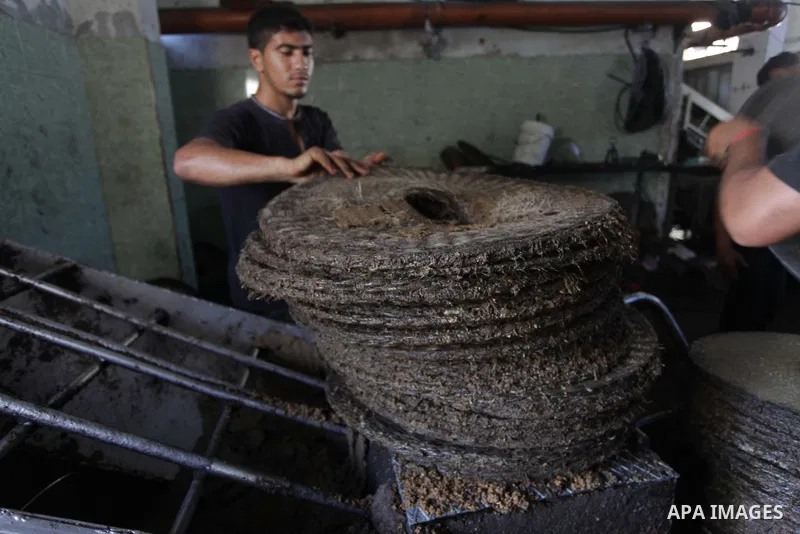
A Palestinian worker prepares crushed olives between metal plates at a traditional stone press in Gaza City, 20 October 2013. Regional farmers are harvesting their olives this year from mid-October until 01 November. According to figures issued by the United Nations some 80,000 Palestinian families earn their income from growing olives in plantations which reportedly occupy about 48 per cent of the agricultural land in the West Bank and Gaza strip. About 93 per cent of the olive harvest pressed to oil with the rest being used in soap production. Photo by Ashraf Amra
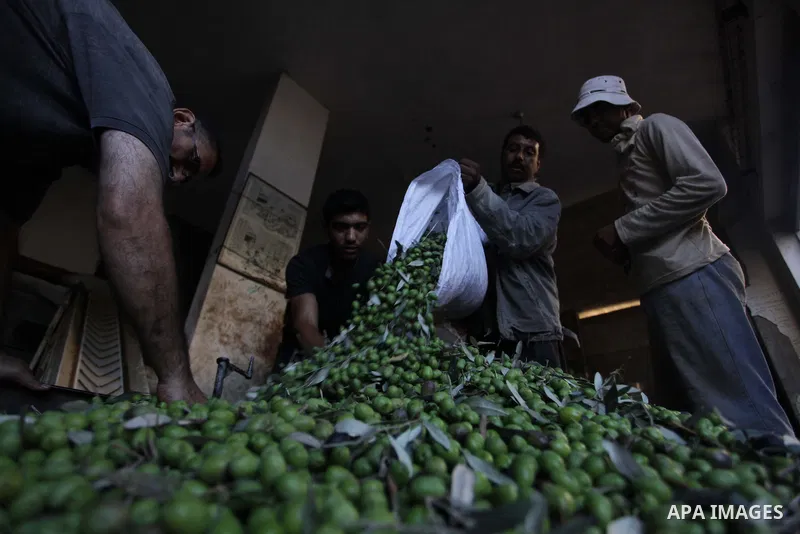
Palestinian workers sort olives before pressing at a traditional stone press in Gaza City, 20 October 2013. Regional farmers are harvesting their olives this year from mid-October until 01 November. According to figures issued by the United Nations some 80,000 Palestinian families earn their income from growing olives in plantations which reportedly occupy about 48 per cent of the agricultural land in the West Bank and Gaza strip. About 93 per cent of the olive harvest pressed to oil with the rest being used in soap production. Photo by Ashraf Amra
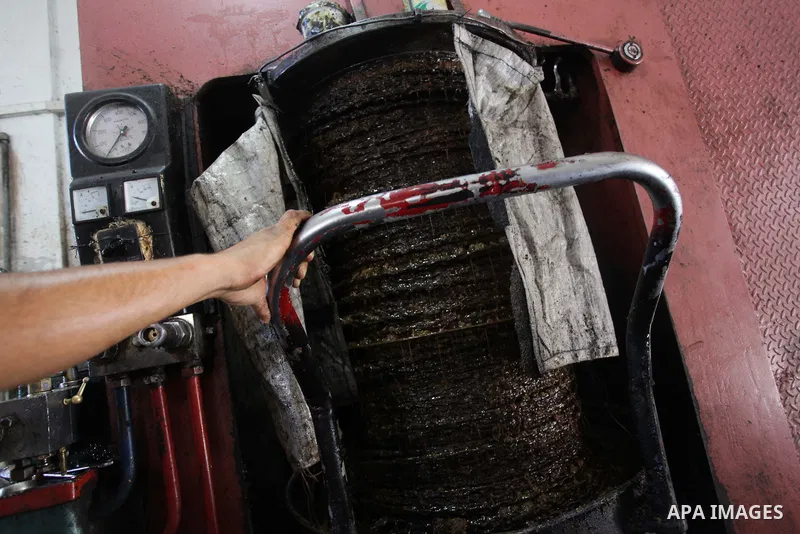
A Palestinian worker presses olives at a traditional stone press in Gaza City, 20 October 2013. Regional farmers are harvesting their olives this year from mid-October until 01 November. According to figures issued by the United Nations some 80,000 Palestinian families earn their income from growing olives in plantations which reportedly occupy about 48 per cent of the agricultural land in the West Bank and Gaza strip. About 93 per cent of the olive harvest pressed to oil with the rest being used in soap production. Photo by Ashraf Amra
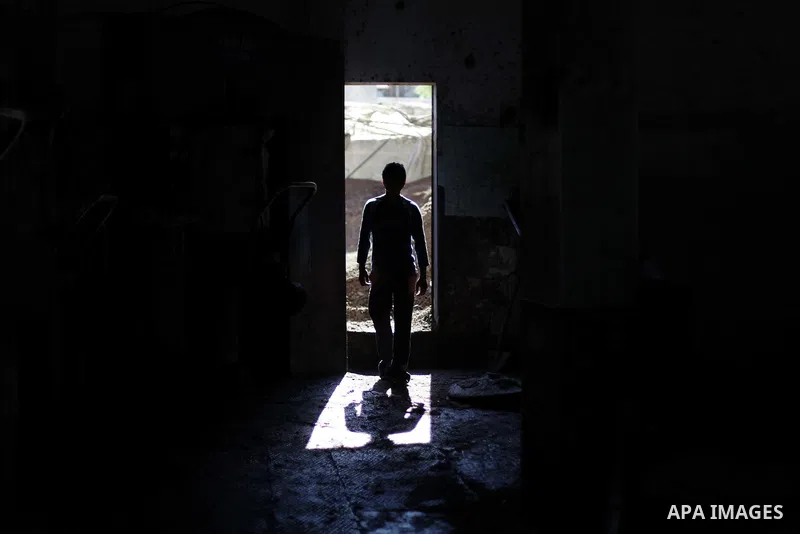
A Palestinian worker stands at the entrance of a traditional stone press in Gaza City, 20 October 2013. Regional farmers are harvesting their olives this year from mid-October until 01 November. According to figures issued by the United Nations some 80,000 Palestinian families earn their income from growing olives in plantations which reportedly occupy about 48 per cent of the agricultural land in the West Bank and Gaza strip. About 93 per cent of the olive harvest pressed to oil with the rest being used in soap production. Photo by Ashraf Amra
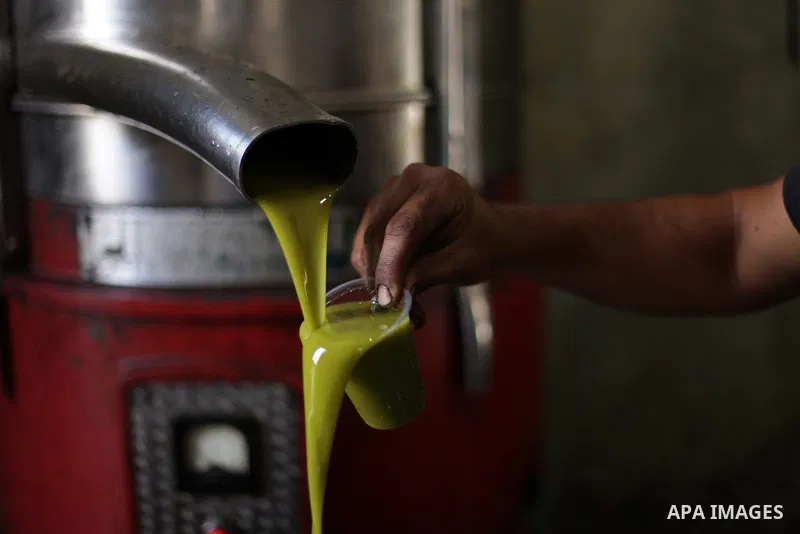
A Palestinian worker presses olives at a traditional stone press in Gaza City, 20 October 2013. Regional farmers are harvesting their olives this year from mid-October until 01 November. According to figures issued by the United Nations some 80,000 Palestinian families earn their income from growing olives in plantations which reportedly occupy about 48 per cent of the agricultural land in the West Bank and Gaza strip. About 93 per cent of the olive harvest pressed to oil with the rest being used in soap production. Photo by Ashraf Amra
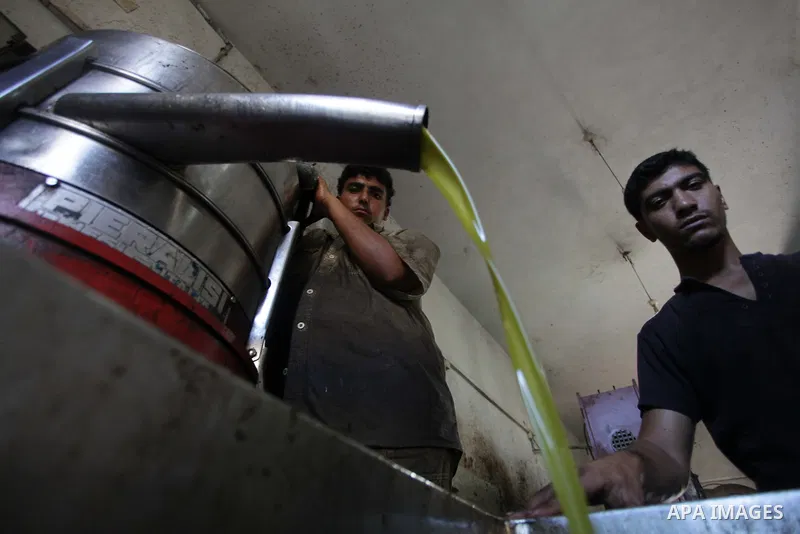
A Palestinian worker presses olives at a traditional stone press in Gaza City, 20 October 2013. Regional farmers are harvesting their olives this year from mid-October until 01 November. According to figures issued by the United Nations some 80,000 Palestinian families earn their income from growing olives in plantations which reportedly occupy about 48 per cent of the agricultural land in the West Bank and Gaza strip. About 93 per cent of the olive harvest pressed to oil with the rest being used in soap production. Photo by Ashraf Amra
مجموعة
نوفمبر 2008 – أغسطس 2023

مجموعة
يناير 2020 – نوفمبر 2026

مجموعة
فبراير 2020 – نوفمبر 2026
مجموعة
31 أكتوبر 2026
معاينة بعلامة مائية. يُسلَّم الملف المرخَّص بجودته الكاملة ودون علامة مائية.
تواصل مع APA لمعرفة الجودات المتاحة والأسعار.
اطلب حقوق الاستخدام التجاري أو الحصري أو الوثائقي أو حقوقًا مخصصة لهذه المادة.
ابحث عن الصور والفيديوهات والقصص بلغتك.
جرّب أن تسأل